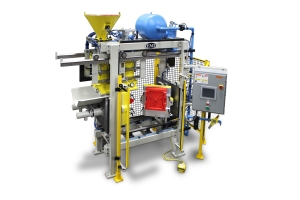
Integrate Briquetting Machines in a Sand Casting Line: Layout, Flow, ROI
Sand casting creates a lot of metal waste. Chips, swarf, sludge, fines from blasting and grinding, all of it adds up and often leaves the plant in open, disposal-bound bins headed for disposal. A smarter option is to pull that material back into a closed loop, recover what you can, and keep the rest under control. Briquetting machines can help turn that loose mess into dense, clean briquettes that are easier to remelt, easier to handle, and easier to track.
In this article, we walk through how briquetting fits into a modern sand casting line. We will look at layout ideas, material flow, automation, safety, and how to think about real ROI so you can plan ahead of your next budget cycle with clear, practical options.
Turn Casting Waste Into Value with Smart Briquetting
Traditional waste handling in a foundry is simple but painful. Loose chips and sludge go into drums or boxes, people move them by forklift, and then you pay someone to haul them away. You lose metal, lose coolant or other fluids, and lose floor space.
Briquetting machines press that loose material into tight blocks. In a foundry setting, they usually sit near molding, core making, or finishing lines, wherever streams of metallic waste come together. Those briquettes can then move back to remelt, to recycling, or into safer storage.
Think of this as a practical roadmap, not a theory exercise. The goal is to fit briquetting into what you already have by planning for:
- Layout and machine placement
- Material flow from casting to briquette
- Automation and safety tie-ins
- A clear ROI case that finance and operations can agree on
Why Briquetting Belongs in Modern Sand Casting Lines
Briquetting gives you several wins at once. When loose swarf and fines are compressed, you get:
- Higher metal recovery and cleaner charge material
- Smaller volumes going to haul off and landfill
- Less clutter around machines and walkways
- A more consistent recycling stream for your melt shop
It also supports environmental and regulatory goals. Dense briquettes are easier to track and document, which helps with ESG reporting and internal records. Dewatered material is simpler to handle than wet sludge or filter cakes, and sending less waste to landfill fits with many sustainability plans.
On the performance side, briquetting can help steady your melt costs by turning side streams into usable charge, instead of treating them as pure waste. It can also reduce pressure on people who now spend time dragging bins around, clearing spills, and dealing with loose, dirty material. The result is a cleaner line, better morale, and fewer interruptions.
Mapping the Ideal Foundry Layout for Briquetting
To find the right home for briquetting, start by walking your sand casting line from shakeout through finishing. Watch where material naturally collects:
- Under shakeout and conveyors
- At cut-off saws and riser removal stations
- Around blast cabinets and finishing cells
- In machining areas tied to your castings
Two common layout strategies usually show up. One is a centralized briquetting cell. All metallic waste streams feed into a single, larger machine. This can work well in a plant with clear aisles, steady volumes, and room near finishing.
The other approach is multiple smaller, satellite stations that send material to a main briquetting system. This can fit better in spread-out facilities, or where casting types and alloys change often.
Footprint matters. When planning space for briquetting machines, think about:
- Clear access for forklifts or automated carts
- Room for material storage and chip or sludge staging
- Noise and dust containment, including any needed barriers
- Safe operator zones for maintenance and normal operation
Designing Efficient Material Flow From Casting to Briquette
Many parts of a sand casting line can feed a briquetting system. Common sources include:
- Gating and riser cut-offs
- Shot blast or shakeout fines
- Grinding dust from finishing booths
- Machining chips from downstream work cells
The right material handling methods depend on volume, moisture, and the need to keep alloys separate. Options often used in foundries are:
- Belt or drag conveyors for steady chip flow
- Screw augers for fines and short runs
- Pneumatic transfer for light, dry material
- Bins and lift and tip stations for flexible, batch handling
- Robotic or gantry systems where lines are already automated
Clean segregation before the briquetting machines is key. You want ferrous separate from non-ferrous, and you want to avoid mixing in excess sand or trash. Good labeling, color-coded bins, and clear work rules can go a long way here. Better segregation means briquettes that meet your remelt needs and avoid contamination headaches in the melt shop.
Automation, Controls, and Safety Integration
Briquetting machines should not sit as standalone islands. Tying them into existing automation and controls brings better reliability and better data. Typical steps include:
- PLC integration so briquetting starts, stops, and alarms in sync with the line
- Data collection on runtime, throughput, and material types
- Linking briquette output data to melt shop systems or ERP for traceability
Safety needs careful thought at the layout stage. Guarding and interlocks around moving parts, clear lockout or tagout points, and local emergency stops are all standard pieces. Dust collection and coolant management also matter, both for air quality and slip hazards. Ergonomics is another piece: keep lifting and manual handling to a minimum with smart bin design and simple tools.
Remote monitoring and OEM-level support can help keep the briquetting cell running with the rest of the foundry. When you can see wear trends, oil levels, and alarm history early, you can plan service during scheduled outages instead of reacting to a line-down event.
Calculating Real ROI and Planning Your Investment
A briquetting project touches more than one budget line, so ROI should too. A basic framework often includes:
- Value of recovered metal that returns to remelt
- Lower waste hauling and landfill volumes
- Any coolant or fluid you can safely recover
- Labor savings from less manual handling
- Secondary gains like cleaner floors and less wear on other equipment
To make the business case real, use your own plant data. Pull seasonal production rates, scrap types, and current disposal and freight practices. Add in your energy use patterns, and any regulatory or customer sustainability goals that are on the horizon. Even in places with hot summers and cold winters, like we see around our Ohio base, seasonal swings in production and scrap can affect the numbers.
Many foundries prefer a phased plan. Start by:
- Selecting one casting line or area for a pilot
- Installing a briquetting machine sized to that stream
- Tracking payback and performance over a few production cycles
- Using the results to plan expansion to other cells or locations
Turn Today’s Scrap Into Next Year’s Competitive Edge
When briquetting is fully integrated, scrap is no longer just a disposal problem. It becomes a steady, known resource that feeds your remelt and supports your recycling goals. Material that once filled open bins now leaves the finishing area as dense briquettes, ready for charge or sale, with clear records behind it.
At EMI, we design and build equipment and integrated casting systems for foundries that work with both ferrous and non-ferrous metals, from molding and core production through finishing and briquetting. Our engineering and automation teams can review layouts, size briquetting machines, and help model ROI so your next round of capital planning is based on clear, practical options that fit your sand casting operations.
Get Started With A Cleaner, More Efficient Production Process Today
If you are ready to turn scrap into value, our briquetting machines can help you improve material handling, reduce waste, and capture more revenue from your byproducts. At EMI, we work closely with you to size and configure systems that fit your specific production environment and goals. Tell us about your application, and we will recommend a clear path forward with equipment, integration options, and support. To start the conversation, simply contact us and our team will follow up with next steps.