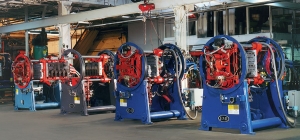
Shell Core Machine Vs Cold Box Systems: Choosing for Winter Production
Winter can turn a steady coremaking process into a source of slow cycles, scrap, and delivery pressure. When temperatures, humidity, and material conditions change, the equipment choice between a shell core machine and a cold box system should be based on dependable output, not simply on what is already on the floor.
November is a smart time to review production before colder weather and seasonal maintenance demands arrive. Ferrous and non-ferrous foundries may run different jobs, but every operation needs predictable core quality when schedules tighten. At EMI, we help foundries look at the full picture, including equipment, automation, OEM parts, repairs, and remanufacturing.
Cold Weather Exposes Coremaking Weak Points
Cold air does more than make the shop uncomfortable. It can affect sand temperature, resin behavior, tooling warmup, cure consistency, and the time available to handle a core before it becomes a problem. A process that runs smoothly on one shift may behave differently on the next when environmental conditions are not controlled.
Humidity deserves close attention, too. Extra moisture can change sand properties and affect how binders perform. Very dry winter air can create its own issues, including dust-control concerns and more difficult material handling. We recommend reviewing how sand, resins, catalysts, and reclaimed materials are stored before winter production reaches its busiest point.
Core variation can lead to problems that spread well beyond the core room, such as:
- Lower core strength and breakage during handling
- Dimensional variation that affects casting quality
- Gas-related casting defects
- Added rework, delayed pours, and missed cycle times
A dependable winter process starts with the whole environment. Equipment matters, but so do materials, storage, maintenance, and the procedures your team follows from shift to shift.
A Shell Core Machine Brings Thermal Stability
A shell core machine uses heated tooling to cure resin-coated sand. Because tooling temperature is a central part of the process, controlled heat can bring useful consistency when cold ambient conditions make other curing methods harder to manage.
For repeatable, high-volume programs, shell production can be a strong fit. It is often chosen for core designs that benefit from dimensional accuracy, smooth surface finish, and fast cycle times. When production volume supports it, a shell core machine can also work well with automated sand handling, core removal, inspection, and conveying.
Reliable shell core production still depends on careful operation. Before winter, we suggest reviewing:
- Tooling temperature control and heater condition
- Cleanliness of tooling and material-delivery components
- Consistency of resin-coated sand
- Controls, sensors, and preventive maintenance plans
- Safe operator practices around heated equipment
Energy use is also part of the decision. Heated tooling must be managed well, especially when a foundry is balancing winter heating needs with production demands. Stable temperatures can support stable results, but only when the machine and its support systems are maintained properly.
Cold Box Systems Support Complex Core Demand
Cold box systems cure sand cores through a binder and gas-catalyst process rather than heated tooling. That approach can be well suited to intricate core shapes, larger cores, and programs that need flexibility across several part designs.
Winter conditions still matter in a cold box operation. Sand temperature, moisture, binder ratios, catalyst delivery, purge air, ventilation, and core storage conditions all deserve attention. Small shifts in one area may affect cure speed, stripping performance, core strength, or emissions control.
When process controls are steady, cold box equipment can remain highly productive through winter. This method may make sense when your operation needs complex core packages, broad pattern flexibility, or room to adjust to a changing production schedule. Rather than choosing based on the season alone, we encourage you to compare the needs of the core design with the quality level expected at pouring.
Compare Winter Capacity, Risk, and Operating Demands
Neither process is automatically the better choice for every foundry. Shell production places more focus on heated tooling and temperature control. Cold box production places more attention on binder, catalyst, purge air, ventilation, and emissions-related systems. Each method has its own operating demands and possible sources of downtime.
Labor and automation should also be part of the comparison. A shell core machine can support repeatable, high-throughput work when material flow and core handling are automated. Cold box systems can be automated as well, particularly when flexibility and core complexity drive the work.
Before deciding on a new system, we recommend looking at the full winter production picture:
- Cycle time and expected throughput
- Scrap, rework, and core breakage risk
- Energy, consumables, and environmental controls
- Maintenance needs and downtime exposure
- OEM part availability, repairs, and remanufacturing options
In some cases, restoring existing equipment or improving automation can address a winter production concern without replacing an entire system. A clear equipment review helps identify whether the real issue is the process choice, a worn component, inconsistent material handling, or missing preventive maintenance.
Turn Winter Readiness Into a Reliable Advantage
Before winter production reaches peak demand, review environmental controls, equipment condition, spare parts, operator procedures, preventive maintenance plans, and the job mix ahead. Those factors help determine whether shell equipment, cold box systems, or process improvements best fit production goals.
The best winter solution is the one that delivers consistent core quality, safe work practices, and dependable throughput when conditions outside the core room are changing.
Build a More Resilient Winter Core Operation
At EMI, we help foundries align equipment choices with their production goals, staffing needs, and seasonal operating demands. Review our shell core machine solutions to identify the configuration that supports reliable output in your operation. Our team can help you evaluate the right core-making approach for your workflow and casting requirements.