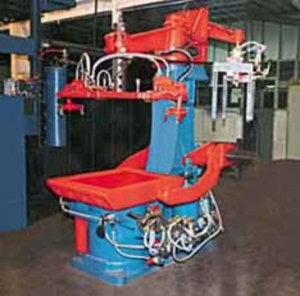
Questioning Manual Molding Machines in High-Mix Foundries
Why High-Mix Foundries Are Rethinking Old Habits
High-mix foundries feel the squeeze as late summer heat rolls in and fall orders stack up. Lead times get shorter, castings get more complex, and customers expect everything yesterday. When patterns, alloys, and part sizes change all day long, even a well-run floor can start to feel overloaded.
A manual molding machine often seems like the safe choice. It is familiar, flexible, and already paid for. But as work shifts toward tighter tolerances and more frequent changeovers, those same machines can quietly limit throughput, consistency, and safety. New molding and automation technology is now built for high-mix, lower-volume work, not just giant production runs, and that opens up new options for foundries that want to keep pace without burning out their teams.
The Hidden Costs of Manual Molding in High-Mix Work
When we talk about the cost of a manual molding machine, it is easy to think only about what was spent to buy it or keep it running. The real impact shows up in day-to-day performance, especially when patterns and alloys are constantly changing.
Manual molding often brings hidden costs like:
- Inconsistent cycle times from operator to operator
- Variable mold hardness and sand fill, especially with tricky patterns
- Higher scrap and rework when jobs switch quickly
- Extra time chasing surface defects and dimensional issues
On top of that, there is the labor factor. Manual molding is hard, physical work. As the temperature rises and humidity climbs, especially in areas like Ohio where summers can be heavy and hot, fatigue sets in faster. That can lead to:
- More ergonomic strain from repetitive lifting and ramming
- Longer training time before new hires can work independently
- Lost production when key molders are out or shift coverage is thin
- Extra supervision to keep quality in line during busy stretches
When scrap climbs and output slips, delivery promises are the first to suffer. That can trigger a chain reaction: rush overtime to catch up, last-minute changes on the schedule, premium freight to hit customer dates, and limited room to accept higher-margin, short-run work. On paper the manual molding machine looks cheap. In practice it can quietly cap what the foundry can really produce.
Where Manual Molding Still Makes Sense and Where It Doesn’t
This does not mean manual molding should disappear from every foundry. There are real situations where it still fits well and supports the rest of the plant.
Manual molding often makes sense for:
- Very low-volume prototype runs where patterns may change after a few pours
- Oversized castings that do not fit standard automated lines
- Legacy patterns that come in rarely but must stay available
- Emergency or one-off jobs where a full retool does not make sense
In those cases, the flexibility of a skilled molder is a real advantage. But high-mix jobbing work is different. When you have multiple alloys in rotation, frequent pattern changes, and tighter tolerance demands, even your best operators can struggle to keep molds consistent hour after hour.
For that type of work, relying only on manual molding can mean:
- Slower, more painful pattern changeovers
- Difficulty holding squeeze pressure and sand conditions steady
- Mixed results on first-pass yield when every order is a little different
A practical way to sort this out is to map part families to molding methods. Look at:
- Which castings repeat often with similar features
- Which ones cause the most scrap and rework on manual lines
- Which alloys and patterns give the biggest quality headaches
From there, it becomes clearer which work can remain manual without hurting the schedule, and which should move to semi-automatic or automated solutions designed for high-mix flexibility.
Smarter Alternatives Designed for High-Mix Flexibility
Modern molding and automation are not just for giant automotive-style runs anymore. There are systems built specifically to handle short runs, frequent pattern changes, and shifting alloys while still giving you consistency.
High-mix-friendly equipment can include:
- Automated or semi-automated molding lines with quick pattern handling
- Core production systems that repeat gas times, blows, and vents job after job
- Finishing solutions that standardize grinding, cutoff, and cleaning
With advanced controls, pattern storage, and preset squeeze parameters, setup time drops and first-pass yield improves. Operators can recall proven recipes instead of starting from scratch every time a pattern comes back from storage. That makes it easier to accept rush jobs or seasonal spikes without losing stability.
For foundries that already have a lot invested in current equipment, there are options beyond a full replacement. The right partner can:
- Retrofit controls and handling gear around existing molding stations
- Integrate automation around bottlenecks like core setting or pouring
- Design complete high-mix casting systems for both ferrous and non-ferrous work
The goal is not to turn a jobbing foundry into a high-volume plant. The goal is to keep the flexibility you need while taking the pressure off the people doing the work.
Building a Transition Plan Beyond Manual Molding Machines
Moving away from heavy dependence on a manual molding machine does not have to be all or nothing. A smart transition starts with understanding how those machines are really performing for your high-mix work.
A simple internal audit can look at:
- How many hours each manual machine runs and on which part families
- Scrap and rework rates tied to those parts
- Ergonomic issues and reported injuries around manual molding areas
- Overtime trends during peak months and which machines drive them
Once that picture is clear, the first modernization steps often feel less risky. Foundries may start with:
- Automated core production to stabilize a known quality pain point
- Robotic or semi-automatic finishing for repetitive grinding or cutoff
- One flexible molding cell dedicated to the most variable, higher-value work
Each step gives you data and confidence before you move to larger changes. Along the way, it helps to work with people who understand real foundry conditions, like pattern wear, squeeze pressures, sand quality shifts, and the need to keep existing machines running. Being able to support rebuilt equipment, custom fabrications, and OEM parts keeps downtime in check while you improve.
Taking the Next Step Toward a High-Mix-Ready Molding Line
As another busy Fourth Quarter approaches, it is worth asking if the manual molding machine is still serving the foundry, or if the foundry is serving the machine. Old habits can feel comfortable, but they can also keep you from taking on the type of work your customers are now asking for.
At EMI, we focus on designing and building foundry equipment and complete metal casting systems that match how high-mix work really flows on the floor. When foundries benchmark their existing manual performance against what a modern molding or automated casting system can deliver, the gaps in throughput, quality, and flexibility become clear, and so do the opportunities.
The next step is to share your key part families, alloys, and trouble spots, then explore a practical roadmap that balances incremental upgrades with long-term automation goals, so your molding line is ready for whatever mix of work the next season brings.
Streamline Your Molding Process With the Right Equipment
If you are ready to improve throughput and consistency, we can help you choose the manual molding machine that fits your operation. Our team at EMI will work with you to understand your parts, production goals, and budget so you get equipment that makes a real difference on your floor. Have questions or need a custom recommendation, including accessories or future expansion options? Reach out and contact us so we can help you move your project forward.