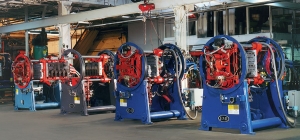
Inside Finishing Systems for Mixed Casting Production
Mixed casting demand can be a strength when your finishing area can keep pace with it. At EMI, we know that ferrous and non-ferrous castings may vary widely in size, shape, surface needs, and production volume. The goal is not to force every part through one ideal process, but to build finishing systems that keep output moving when the mix changes.
As November planning begins, we recommend looking closely at capacity, maintenance needs, labor availability, and future orders. A flexible finishing plan can help you protect throughput without giving up the quality standards your customers expect.
Match Equipment to Casting Variation
Good finishing systems start with a clear picture of what is actually coming through the foundry. Before selecting equipment or changing a layout, we encourage you to profile both current work and the casting families you expect to run in the future.
Consider the differences that shape the process:
- Alloy type, including ferrous or non-ferrous material
- Casting weight, dimensions, and geometry
- Gating configuration and core condition
- Surface finish, cosmetic needs, and inspection requirements
- Expected batch sizes and repeat production volume
A heavy iron casting may call for strong shakeout, blast cleaning, gate removal, and grinding capability. A lighter non-ferrous part may need gentler handling, different media, or closer deburring control. Parts with narrow passages, thin sections, or fragile details can create their own routing needs as well.
We also encourage you to look beyond the biggest machine or the highest level of automation. The best fit depends on the work you run, the space available, how easily operators can access the equipment, and whether the system can grow later. A scalable approach helps you avoid building too much for today while leaving room for tomorrow’s mix.
Build Flexible Cells Around Real Production
A well-planned cell brings related finishing steps closer together. Depending on your castings, that flow may include cooling, shakeout, blast cleaning, gating removal, grinding, deburring, inspection, and material handling. Reducing unnecessary travel between these steps can reduce waiting, manual lifting, and long queues of parts waiting for the next operation.
Rather than sending every casting through the same path, we often recommend connected stations that allow different routes. One casting family may follow a standard sequence, while another moves to specialized equipment for extra cleaning, finishing, or inspection. This gives your team more choices without turning the floor into a confusing maze.
Automation can fit into this kind of layout without replacing every manual task. Robotic grinding, automated blast equipment, conveyors, transfer devices, and part-positioning equipment can bring steady results to repeat work. Meanwhile, skilled operators may be the better fit for low-volume, complicated, or highly variable parts.
The strongest setup is usually a balanced one. We look for places where automation removes repetitive work and supports consistency, while manual stations remain available where experienced judgment and quick adjustments matter most.
Reduce Changeover Delays
Mixed production creates changeovers, and changeovers can quietly consume a large share of available time. A blast media change, new grinding wheel, fixture swap, part program update, or first-piece inspection may seem small by itself. Together, those interruptions can slow an entire finishing department.
Clear standards make transitions easier. For each casting family, we recommend documenting the details operators need before the first part arrives, including safe handling practices, machine settings, tooling, target finish levels, and inspection points. This reduces reliance on memory and makes it easier for different shifts to produce consistent work.
Equipment choices can also support faster setups. Helpful features may include:
- Quick-change fixtures and adjustable work areas
- Organized tool storage near the point of use
- Programmable controls and reusable robotic programs
- Automatic media management for blast operations
- Accessible maintenance points for routine service
It is important to measure more than the time spent standing at a machine. We suggest tracking the full changeover effect, including material movement, waiting for fixtures or tools, first-piece approval, rework, and missed production time. That wider view shows which delays are truly limiting throughput.
Use Data to Protect Throughput
Finishing systems data can turn daily production concerns into clear improvement priorities. Cycle times, downtime events, equipment use, consumable use, rework patterns, and maintenance needs all help tell the story of how work is flowing.
The key is connecting that information to the casting mix. A machine may appear to have plenty of open time overall, yet repeatedly become a bottleneck for one alloy, part size, or surface requirement. When we review performance by casting family, we can better identify whether the trouble is related to handling, tool wear, blast time, programming, inspection delays, or variation from an upstream process.
Useful measures to review include first-pass yield, parts per labor hour, changeover length, unplanned downtime, abrasive consumption, tool life, and average queue time. None of these measures should stand alone. Together, they can show whether you have an isolated issue or a larger capacity concern.
That information also supports better planning decisions. Before adding equipment, a foundry may find that a revised layout, preventive maintenance work, upgraded handling, or targeted automation addresses the real constraint more effectively. We believe capital plans should be guided by the work your system is doing today and the mix you expect it to handle next.
Prepare Finishing Operations for Winter
November is a practical time to prepare the finishing area for winter conditions and holiday staffing changes. Cold temperatures, humidity shifts, compressed air moisture, dust collection performance, and material flow can all affect day-to-day reliability. Planning ahead helps reduce surprises when maintenance coverage or supplier availability is limited.
We recommend reviewing preventive maintenance before year-end. Inspect conveyors, blast equipment, dust collectors, robotic cells, tooling systems, hydraulic components, electrical connections, and safety devices. Replace worn consumables and identify spare parts that could cause a long stoppage if they are unavailable when needed.
Stable operating conditions also support steady finishing quality. Pay attention to moisture in compressed air, ventilation performance, abrasive handling, lubrication needs, and the condition of stored tools and replacement parts. Small issues caught early are easier to manage than a sudden equipment problem during a busy production period.
Plan the Next Improvement
Mixed casting production does not need a one-size-fits-all answer. The most workable finishing systems combine a clear understanding of part variation, flexible routing, focused automation, organized changeovers, and performance data that points to the real constraint.
Start by identifying the casting families that create the longest waits, most rework, toughest setups, or highest handling demands. Those findings can guide the next practical improvement, whether that means a standalone machine, upgraded material handling, remanufactured equipment, a flexible cell, or a broader finishing-system redesign.
Improve Throughput With a Clearer Plan
EMI can help you turn production bottlenecks into a practical path forward. Request an evaluation of your finishing systems to identify opportunities that support smoother flow, safer handling, and more consistent results. Our team will assess your process and recommend solutions aligned with your casting mix and operational goals.