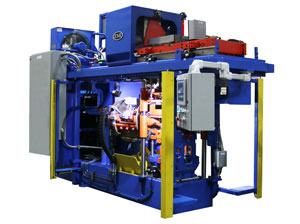
Decision Points for Automatic Moulding Machines in Mid-Sized Foundries
Automatic Moulding Machines as a Strategic Growth Lever
Choosing an automatic moulding machine is not just about swapping one piece of equipment for another. It is a decision that reshapes how metal moves through your foundry, how your teams work, and how fast you can respond to customers. For mid-sized foundries, this choice often shows up when capital budgets are being finalized and pressure from buyers is rising.
Many plants are feeling the same push and pull: tight labor, shorter lead time demands, and the need to control scrap while keeping quality high. An automatic moulding machine can help, but only if it fits your mix, your floor, and your people. In this article, we will walk through how to know if you are ready, which technical and financial points matter most, and how to reduce risk by planning for future automation around the moulding line.
Assessing If Your Foundry Is Ready for Automation
The first question is not “Which automatic moulding machine should we buy?” The first question is “Are we ready to feed one every day?” That starts with demand, casting mix, and how your current line behaves under stress.
Some signs that your moulding area is ready for change include:
- Recurring overtime just to keep up on standard orders
- Regular schedule slips tied back to moulding capacity
- Rush jobs that push normal work to nights or weekends
- Frequent complaints from finishing about inconsistent molds
If your casting mix shifts between small and medium parts, and you see repeat patterns in the jobs you run, an automatic moulding machine often makes sense. It works best when you have enough repeatable work to keep the line busy, even if you still handle odd pieces elsewhere.
Labor is the next big piece. Many foundries struggle to hire and keep people for heavy, repetitive moulding jobs. Training takes time, and physical strain is real. With automation, you can move experienced people to jobs that need judgment and problem-solving, like quality, coremaking, or maintenance, instead of constant hand moulding.
You also need a stable base. Automatic moulding does not like chaos. Before you commit, check:
- Sand quality is consistent, not swinging from soft to rock hard
- Core production is reliable and on time
- Melt scheduling fits the pace you want from the new line
- You have enough floor space, ventilation, and utilities for the cell
If every shift feels like firefighting, it may be better to steady your sand system, patterns, and core flow first, then bring in the moulding machine.
Matching Machine Technology to Your Casting Profile
Once you know you are ready, the next step is matching the automatic moulding machine to your actual castings. Flask size, pattern plans, and part mix drive more of this choice than any one feature on a spec sheet.
Key questions to work through:
- What flask sizes cover most of your repeat work?
- Do you need one primary size or a range of sizes?
- How many different pattern plates will run on this line?
- Will you run families of parts or constant one-off jobs?
If you serve several industries, like automotive work alongside general industrial work, flexibility is important. The machine and tooling plan should allow for fast pattern changes while still keeping mold quality consistent.
Sand and mold quality are just as important as metal. Automatic moulding machines give you consistent compaction, but they still depend on the sand system behind them. Think about:
- Target mold hardness and how tight that range needs to be
- Surface finish expectations from your main customers
- Current scrap and rework tied to mold defects
Sometimes a new moulding line is the right time to tighten sand testing, update controls, or rework sand handling so the automatic machine can do its job without constant adjustment.
Then there is the rest of the line. An automatic moulding machine that pushes out molds faster will quickly expose weak spots downstream if you are not ready.
Key areas to balance with the new machine:
- Core setting, manual or automated
- Pouring method and temperature control
- Cooling, shakeout, and sand return
- Grinding, cleaning, and inspection capacity
The goal is a line where moulding, cores, pouring, and finishing move in rhythm, instead of one fast piece feeding a slow chain.
Financial and Operational Decision Points for Mid-Sized Foundries
On paper, many automatic moulding projects start with the sticker price. In real foundry life, the bigger picture is total cost of ownership over years of production. That means looking past the machine itself.
Parts to factor into your planning:
- Equipment and installation
- Pattern plate changes or updates
- Sand system adjustments or upgrades
- Power, compressed air, and dust collection needs
- Interfaces for handling, robots, or pouring systems
On the savings side, the main levers are labor, scrap, rework, and unplanned downtime. A stable automatic moulding machine, running with a trained team and good support, can help lift first-pass yield and make daily output more predictable.
Think through capacity and utilization before you commit. A useful way to look at it is by scenario, such as:
- One shift, five days, with plans to add a second shift later
- Mixed short runs and longer campaigns on the same line
- Planned maintenance windows and quick-change targets
Even small gains in uptime or first-pass yield can pull the payback timeline forward. On the flip side, buying far more capacity than you can feed may tie up capital without helping delivery or margin.
To manage risk, many mid-sized foundries prefer a scalable path:
- Start with the right-sized moulding machine and basic handling
- Plan the layout so you can add robots for flask handling later
- Reserve space and utilities for automated core setting or pouring
- Work with an OEM that understands how to grow the cell over time
This lets you phase in automation around proven workflows instead of trying to automate everything on day one.
Building an Automation-Ready Foundry with EMI as Your Partner
Once you see how an automatic moulding machine fits your mix and numbers, the next step is planning the broader automation roadmap. The moulding machine usually becomes the anchor of a more connected cell.
A practical roadmap might focus first on your biggest pain points:
- If manual flask handling slows every shift, plan conveyors or robots
- If core placement is a bottleneck, look at fixtures or automated core setting
- If pouring is inconsistent, consider automated pouring to match mold pace
- If finishing queues are long, think about how molds and castings arrive there
Control systems and data need attention too. Many customers now expect clear traceability and proof of process control. When you plan your automatic moulding cell, it helps to think about:
- Sensors for mold hardness, sand temperature, and key process points
- Operator interfaces that are clear and easy to train on
- Links to plant systems for production tracking and quality records
Good controls make it easier for people to trust the equipment, adjust safely, and keep the line stable across shifts.
Implementation is its own phase. A realistic plan for a mid-sized foundry usually includes:
- Pre-install work on foundations, power, and sand flow
- On-site setup and dry runs before full production
- Operator and maintenance training with real jobs, not just theory
- A tuning period where speeds, pressures, and sequences are adjusted
Support during those first weeks and months matters, especially when your team is balancing new automation with daily orders.
Turning Today’s Evaluation Into Tomorrow’s Competitive Edge
An automatic moulding machine decision feels big, but it becomes easier when you ground it in your own data. Helpful first steps include:
- Mapping current bottlenecks from moulding through finishing
- Tracking scrap and rework tied directly to moulding and cores
- Grouping parts into families that could run on the same line
- Measuring available floor space, crane reach, and utility access
Once that picture is clear, it is easier to talk with equipment suppliers in practical terms, not guesses.
At EMI, we work with foundries of many sizes that face the same pressures you do: labor limits, changing customer demands, and the need to keep quality steady in all seasons. When you treat the automatic moulding machine as part of a longer-term plan for capacity, automation, and higher-value castings, it stops being a one-time purchase and starts becoming a key tool for staying competitive for years to come.
Upgrade Your Foundry Efficiency With Proven Automation
Discover how EMI can streamline your molding line with an automatic moulding machine engineered for consistency and uptime. Our team will review your production goals and help you select a configuration that fits your parts, floor space, and budget. If you are ready to explore options or request a quote, contact us and we will respond promptly with next steps.