Designing Sand Casting Moulds for Reliable Core Integration
Sand casting molds that do not hold cores in place will cost you scrap, rework, and lost time right when you can least afford it. When production ramps up toward the end of the year and every heat matters, you need molds and cores that work together like a single system, not two separate ideas that just happen to touch.
In sand casting, the mold shapes the outside of the part. The core shapes the inside. Together they drive dimensional accuracy, surface finish, and final properties for both ferrous and non-ferrous alloys. At EMI, we design molding equipment, core systems, and automation as one whole, so cores stay put, molds stay tight, and casting runs stay on track. Here we will share practical mold design ideas for better core integration, what we have learned from automation, and how you can upgrade older tools without turning your whole plant upside down.
Engineering Molds That Keep Cores Where They Belong
Many sand casting molds are built around the part print, but not around how the core will actually behave. That gap shows up as late scrap, surprise downtime, and missed ship dates.
Stronger mold and core interface design helps you:
- Hold tighter tolerances across long runs
- Cut rework in machining and inspection
- Keep lines moving when the schedule is packed
We look at molds, cores, and handling equipment as one casting system. When molding machines, core boxes, and patterns are designed together, the interface is more stable. That means better mold integrity, cleaner parting lines, and cores that land in the same place shot after shot.
Core Behavior Inside the Mold Cavity
Once you start pouring, the core is not just sitting there. It is fighting:
- Thermal shock from hot metal
- Metallostatic pressure that pushes and floats the core
- Flow forces during filling that try to erode or shift edges
If the core is too light, too weak, or not supported correctly, you can see float, shift, or washout. On the finished casting, that becomes wall thickness out of spec, broken holes, fins, extra stock for machining, or even scrapped parts. Late in the year, that is not just a quality headache, it is a delivery risk.
Core strength depends on sand, binder, cure, and print design. Gas from binders needs a clear vent path through the core and into the mold. Ferrous alloys bring higher temperatures and longer solidification times. Non-ferrous alloys can pour fast and delicate cores can erode. The mold has to be rigid enough to hold shape, yet open enough to vent.
The best time to think about all this is not on the first production pour. Pattern designers, core room engineers, and melt/production teams should talk early about how the core will load, vent, and move inside the cavity. That teamwork cuts down on guesswork later.
Designing Mold Geometry That Locks in Core Accuracy
Good mold geometry is like a good seat belt. It keeps the core where it belongs even when things get rough.
Key design moves include:
- Precision core prints sized to carry weight and resist buoyancy
- Flat, clean bearing surfaces so cores sit square and repeatable
- Extra supports under large or overhanging core sections
Parting line location plays a big role. A smart parting line and good mold symmetry make it easier to place and see cores, keep them seated, and keep the mold halves aligned. Gating and riser layout also matter. If gates blast straight at a fragile area of the core, erosion is more likely.
Draft, fillets, and reliefs protect the core both during mold closing and during filling. Soft transitions reduce sand damage and focus metal flow where you want it. With the right molding machine stiffness, flask design, and tooling support, alignment holds steady over long campaigns, which is especially helpful when winter weather and end-of-year orders hit at the same time.
Optimizing Core Prints, Venting, and Support Hardware
Core prints do a lot of heavy lifting. They need to:
- Support the full weight of the core
- Push back against buoyancy from the metal
- Lock in centerlines and finished dimensions
Length, cross section, and where you put the prints all matter. Prints that are too short or thin can crush or settle. Prints that are too big can cause hot spots or stress the mold.
Venting is another key piece. Gas from cores has to move toward low-pressure regions, not get trapped under the hot metal. You want vents that are:
- Large enough to pass gas
- Small enough to hold strength
- Placed so they do not invite metal penetration
Chaplets and other support hardware should be a backup plan, not the main support. When they are needed, they must be well anchored, consistent in location, and easy to find in inspection. Good print and support design means fewer internal defects, easier shakeout, and more predictable machining stock when the schedule is tight.
Integrating Automation and Core Setting Into Mold Design
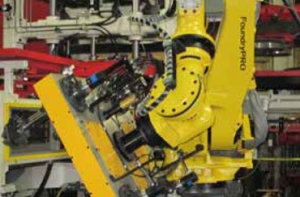
As more foundries add automated molding lines and core setting robots, the mold and core design has to support that workflow. Robots and pick-and-place units like:
- Consistent pick points on the core
- Clear orientation features
- Seating surfaces that guide the core into place
Small design touches help a lot. Alignment chamfers, lead-in surfaces, anti-rotation shapes, and sensor-friendly reference faces make misloads less likely, even at high speed. Simple poka-yoke tricks, like asymmetric prints or unique interface shapes, make it physically hard to put the wrong core in the wrong mold.
At EMI, we design molding, core, and automation systems to work together, so legacy patterns can move into automated lines with less risk. That means smoother transitions, less unplanned downtime, and more predictable capacity planning as year-end demand builds.
Modernizing Legacy Sand Systems Without Starting Over
Older sand casting molds and tools often have good bones but tired details. You might see:
- Worn or rounded prints that no longer seat cores well
- Flasks and matchplates that do not align the same every time
- Core boxes that were built for past quality needs, not current ones
You do not always need a brand-new system. You can move step by step. Remanufactured equipment, fresh OEM parts, and updated core boxes can tighten up core seating. Pattern tweaks can add better prints, more rigid support, or friendlier vent paths.
Field-proven upgrades for both ferrous and non-ferrous work include stronger clamping systems, revised gating that is easier on the core, and safer mold handling. Through audits, field service, and engineering support, EMI helps foundries get through high-pressure seasons with higher first-pass yield and fewer unpleasant surprises.
Turn Mold Designs Into Repeatable, Core-Stable Production
When sand casting molds and cores act like one system, everything gets easier. Strong prints, smart venting, thoughtful gating, and automation-ready features all point in the same direction: cores that stay where they belong and castings that come out right the first time.
Before the next peak season, it pays to look at the patterns that cause the most core trouble. A focused review of mold geometry, prints, vents, and support hardware can uncover simple changes that pay off in scrap, uptime, and delivery performance. At EMI, Equipment Manufacturers International, Inc., we bring molding, core production, automation, and legacy support together so foundries can pour with confidence, even when the calendar and the workload are both packed full.
Get Started With Your Project Today
If you are ready to improve casting quality and production efficiency, explore our proven solutions for sand casting molds tailored to your operation. At EMI, we collaborate with your team to align tooling, equipment, and processes with your specific goals. Share a few project details through our contact page, and we will respond with practical next steps and recommendations.