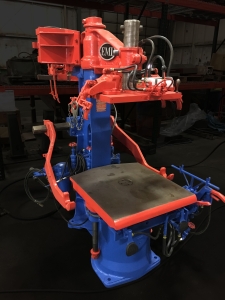
Designing Casting Systems Around Briquetting Press Machines
Foundry scrap does not have to be a headache. When we design casting systems around a briquetting press machine, that scrap can turn into a steady, high-value part of the melt instead of a messy problem on the floor.
In this article, we walk through how briquetting fits into modern foundry design, how it affects your melt and charge makeup, and how to plan a full system so you are ready before peak production hits. Our goal is simple: to help you think about briquetting not as an add-on, but as a core part of a smarter, more sustainable casting line.
Turning Scrap Into Value in Modern Foundry Design
Foundries everywhere feel pressure to cut waste, make better use of internal scrap, and hit sustainability goals before year-end reports. Loose chips, fines, and swarf pile up fast, eat floor space, and cost money to move and dispose.
A briquetting press machine turns those loose materials into dense, repeatable feedstock. Instead of sending chips out as low-value scrap, you press them into briquets that can go right back into the furnace as part of a planned charge.
When we think at the system level, not as a quick bolt-on, we can:
- Tie scrap points directly to the briquetting area
- Match briquet output to furnace demand
- Plan layouts so people handle material less and stay safer
That is why briquetting belongs in early design talks, when foundries are planning capital projects and next year’s budgets.
Why Briquetting Belongs at the Heart of Casting Systems
A briquetting press machine changes the basic math of returns and melt makeup. Internal scrap that once left the plant at a discount can now replace a portion of purchased metal in the charge.
Dense briquets behave very differently from loose turnings and fines. They:
- Pack tighter in charge buckets and furnace wells
- Melt in a more predictable way
- Reduce the risk of floating, popping, or bridging
Better charge density can support higher furnace efficiency and more stable melt conditions. Operators see fewer surprises from light, fluffy scrap that wants to oxidize or blow away.
There are bigger drivers at play too. Many foundries are facing:
- Rising energy costs that reward any gain in melt efficiency
- Stricter environmental rules on scrap handling and disposal
- Corporate ESG goals that push for higher internal recycling rates
When we design new molding lines or upgrade existing ones, putting briquetting at the center helps answer all three of those pressures at once.
Mapping Material Flow Around the Briquetting Press Machine
Design work starts with a clear picture of where scrap appears and how it moves today. We look across:
- Molding and shakeout
- Coremaking
- Finishing and cleaning
- Machining and sawing
Each area creates different types and volumes of scrap. Fine sand-coated material from shakeout is not the same as clean aluminum chips from machining. When we map those streams, we can design scrap collection that fits the plant, not the other way around.
Common tools in that layout include:
- Floor or pit conveyors that pull chips from machines
- Hoppers or totes at key work cells
- Central bins or silos that feed the briquetting press
Clean, short flow paths cut down on forklift traffic, double handling, and contamination. We also plan for interim storage and clear segregation by alloy and by clean versus dirty scrap. That way, briquets are safe for direct furnace charging and do not create melt surprises later.
Integrating Briquets Into Charge Makeups and Melt Practices
Once briquets are flowing, they need to fit into charge recipes in a controlled way. The goal is to keep metallurgical integrity and meet casting specs, while getting more value from internal scrap.
When we help foundries plan this step, we look at:
- Alloy and chemistry limits for each product line
- The ratio of briquets to prime metal and returns in the charge
- Any coatings, oils, or tramp elements that could ride in on scrap
Furnace type also matters. Coreless induction, channel induction, and gas-fired furnaces each have their own sweet spot for charge sequence, briquet size, and drop point. The right sequence can limit oxidation, cut slag formation, and support faster, cleaner melts.
Quality control ties it all together. Good practices include:
- Sampling and testing briquet lots by alloy stream
- Simple tracking so you know what went into each batch
- Clear records to support customer audits and traceability
That level of control lets briquets move from “nice idea” to trusted part of everyday melt practice.
Automating and Controlling the Briquetting Workcell
A briquetting area can be as simple or as automated as your plant needs. Many foundries are moving toward work cells that start and stop on their own and report status back to a central control system.
Typical automation tools include:
- Level sensors in hoppers and bins feeding the press
- Automatic start or stop when scrap reaches set levels
- Integration with a PLC or SCADA system for alarms and trends
Safety and maintenance need to be baked into the design. Guarding around moving parts, good dust control, and safe clear access for service all protect people and equipment. Planned downtime can be scheduled around production so the press stays ready when scrap volume spikes.
Real-time monitoring of briquet output, press load, and moisture content helps spot problems early. That data supports predictive maintenance, so you can plan work before something fails and slows your melt.
Planning Capital Projects Before Peak Production Season
In places like Ohio, where we are based, many foundries try to line up layout changes around cooler weather and scheduled shutdowns. Planning briquetting projects in late fall or winter often means the new system is ready before spring and summer order peaks.
A phased roadmap can help the change feel manageable:
- Phase 1, scrap audit and future layout concept
- Phase 2, install briquetting press machine and basic collection
- Phase 3, tie in more scrap points, adjust furnace practice, add automation
When we look at ROI, we do not only think about scrap recovery. Foundries also see value from:
- Lower disposal costs for loose chips and sludge
- Better energy use from higher charge density
- Possible benefits tied to environmental performance
Thoughtful planning turns briquetting from a side project into a key part of a closed-loop foundry vision.
Take the Next Step Toward a Closed Loop Foundry
The best place to start is a plant-wide scrap and returns audit. Walk the floor, follow the metal from casting to machining to melt, and mark every point where chips, fines, and offcuts appear. That simple exercise often reveals short, practical changes that support a future briquetting system.
From there, working with an engineering team that understands complete metal casting solutions can help tie it all together, from the briquetting press machine to material handling, to furnace practice. At EMI, we focus on ferrous and nonferrous foundries and help design casting systems that make better use of every pound of metal that enters the plant.
Increase Material Value With a Custom Briquetting Solution
If you are ready to reduce waste, recover more value from your byproducts, and improve handling, we can help engineer the right system for your operation. Explore how a purpose-built briquetting press machine can fit into your production line, workflow, and budget. Our EMI team will review your materials, throughput goals, and space constraints to recommend a practical path forward. To discuss your application or request a quote, simply contact us today.