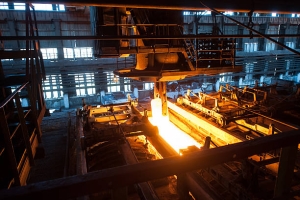
Decoding Sand Casting Machines for Flexible Foundry Layouts
Rethinking Sand Casting Machines for a Leaner Foundry
Sand casting machines used to feel fixed in place. Once a line went in, it stayed there for years, even if the work changed. That is a hard way to run a foundry today, when orders move fast, reshoring is growing, and it is harder to fill every shift with experienced people.
Now the physical layout of your sand casting machines can be as important as the machines themselves. How you place your molding, coremaking, pouring, and finishing areas shapes throughput, labor, and even how much energy you waste between stations. In this article, we will walk through how layout choices affect performance, what flexible setups look like, and how thoughtful planning can help you get more out of the building you already have, without a full rebuild.
How Layout Choices Shape Sand Casting Machine Performance
Machine choice and plant layout are tied together. You cannot pick a green sand molding line in a vacuum. It has to fit how your mold lines, core room, melt deck, pouring, shakeout, and finishing all work as one system.
When we look at a foundry, we pay close attention to how metal and sand move, and how people move with them. Common flow patterns include:
- Straight-through lines, where molds move from molding to pouring to shakeout in one direction
- U-shaped lines, where incoming and outgoing material are closer together for easier supervision
- Modular cells, smaller groups of machines arranged around a product family
Each pattern changes:
- Handling distances and how often castings and molds get touched
- Work in process inventory that piles up between steps
- How many people you need to run a shift safely and smoothly
Winter adds another layer, especially for North American foundries with real cold and snow. Layout choices that look fine in mild weather can cause trouble when it is freezing outside. Good planning can:
- Cut or remove outdoor transfers that slow down in ice and snow
- Reduce heat loss between stations so people are not constantly opening large doors
- Set up areas where preventive maintenance can happen in slower months without blocking production
When we treat sand casting machines and layout as one decision, the building starts working for you, not against you.
Matching Sand Casting Machines to Growth and Product Mix
Your product mix should lead your equipment choices. High-volume automotive work needs something very different from a jobbing foundry or a shop making a wide range of OEM parts. The right mix of sand casting machines might include:
- Flask or flaskless green sand molding systems
- Matchplate molding for repeatable patterns
- Core machines sized for your part families
- Automated pouring systems to keep quality steady
A fixed line can trap you when demand shifts. Flexible layouts and modular equipment make it easier to:
- Spin up short-run castings without disturbing a main high-volume line
- Drop in a small cell for prototype work near engineering or pattern storage
- Shift volume between lines during seasonal spikes or year-end rush orders
Not every change needs brand new iron. Remanufactured and upgraded sand casting machines can fill capacity gaps when you need more output but are not ready for a major capital jump. With the right planning, you can:
- Add a remanufactured molding machine as a side cell for specialty work
- Upgrade controls and handling on older units so they fit into a more automated flow
- Phase modernization in steps that match your workload and downtime windows
This step-by-step approach keeps you moving forward without shocking the plant or your team.
Designing Flexible Cells Around Core and Mold Production
Many foundries see gains by thinking in terms of cells instead of only long lines. When mold production, core making, and pouring are tightly linked but not locked together, you can flex up or down based on orders.
A practical flexible cell might include:
- A molding machine sized for a specific casting family
- Core machines and core storage placed close to the molding area
- Sand handling and mold handling systems that cut travel distance
- A dedicated pouring area fed by the nearest melt source
By arranging EMI engineered core machines, mold handling, and sand handling as a group, you can:
- Shorten travel paths, which means fewer chances for damage
- Reduce rehandling that leads to defects or ergonomic strain
- Keep quality steadier because molds and cores wait less time before pouring
Automation fits naturally into these cells. Robots, gantries, conveyors, and vision systems can be set up so the same cell can run several part families with quick changeovers. That is especially useful when:
- You push through year-end orders and need repeatable, low scrap production
- A new program launches and you are not sure how volume will settle
- You want to keep people focused on value-added checks instead of heavy lifting
The goal is not to remove people, but to give them a safer, smarter place to work while the machines handle the repeatable motions.
Automation, Data, and Safety in Future-Ready Foundry Layouts
Modern sand casting machines are more than motors and steel. With the right controls, sensors, and data collection, they become a live source of feedback on how your layout is performing. When machines report on cycle times, downtime reasons, and scrap triggers, it becomes easier to see:
- Where real bottlenecks sit, not just where they are blamed
- Which line layouts cause constant waiting or overproduction
- How changes in shift staffing affect total flow
As you rearrange equipment, that data helps prove if a new layout is better or if you just moved the bottleneck to another corner. Small layout tweaks made with good data can save a lot of pain later.
Safety and ergonomics must sit at the heart of any layout plan. A smart layout will:
- Isolate high heat and high risk areas so fewer people are exposed
- Cut manual lifts and long pushes with thought-out conveyor and robot paths
- Support a smaller, higher skilled crew that can run safely even when winter absenteeism rises
EMI automation solutions, like pouring systems, finishing cells, and robotic handling, are built to slide into existing lines. This lets you raise safety and consistency without ripping out your whole plant or shutting down for long periods. Automation becomes one more tool to keep people safe while the work keeps flowing.
Planning Your Next Layout Move with EMI
Good layout work does not have to be dramatic. The best time to plan the next move is often during budgeting talks or upcoming maintenance windows. Those moments are chances to step back and ask:
- Are our sand casting machines in the right spots for where our work is heading?
- Are we still walking too far between core, mold, and pour?
- Do our winter patterns expose weak spots in flow or staffing?
A simple phased roadmap helps keep changes under control:
- Start with an honest assessment of the current layout and pain points
- Study bottlenecks and scrap to see where flow really breaks down
- Test different flow patterns with layouts and simulation before moving heavy gear
- Build one pilot cell and learn from it
- Roll out bigger changes in steps that fit planned shutdowns and maintenance work
At EMI, we bring together sand casting machines, automation, and layout thinking so foundries can get more from every square foot. Our team works with green sand molding, core production, aluminum casting, and finishing systems for foundries across North America and beyond, including harsh winter climates like our own in Ohio. By treating layout flexibility as a long-term strength, foundries can stay ready for shifting work, tighter labor markets, and the next production cycle, without needing a brand new building.
Get Started With Your Project Today
If you are ready to improve casting quality and throughput, our engineered sand casting machines can be tailored to your foundry’s specific requirements. At EMI, we work closely with your team to understand your process, constraints, and production goals before recommending a solution. Reach out to our team with your application details and we will help you choose the right equipment and layout. To discuss your project or request a consultation, please contact us today.