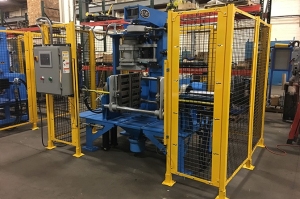
Questioning Sand Blowing Machine Choices in Complex Core Rooms
Modern core rooms are getting crowded and complicated. More alloys, trickier water jackets, and tighter launch windows all put stress on the same floor space and the same sand blowing machines. When this happens, it is easy to blame the blower for every late core and every scrap cart. That habit can push a foundry into buying the wrong machine, or spending capital where it will not fix the real problem.
In this article, we will walk through how to question sand blowing machine choices in a busy core room. We will look at where the true bottleneck might be, how machine technology fits complex cores, why integration matters, and what questions to ask before your next purchase. The goal is simple: help you build a core room that supports your casting program instead of fighting it.
Rethinking Sand Blowing Machines in Crowded Core Rooms
Core rooms are not standing still. You might be running:
- More alloys on the same floor space
- More complex cooling passages and thin walls
- Shorter lead times from pattern change to production launch
- Tighter quality and traceability demands from customers
When pressure builds, many teams fall back on habit. They buy another sand blowing machine just like the last one, or step up to a bigger model because peak demand is scary. That can lock in old assumptions about layouts, workflows, and cycle expectations.
The risk is simple: buying on habit instead of engineering to real casting and production needs. As year-end surge and new programs line up, it pays to step back and ask if the blower is truly the lever that will help, or just the most visible machine in the room.
At EMI, we design and build foundry equipment and integrated systems for core production, molding, automation, and finishing. That wide view helps us see how a sand blowing machine fits into the whole core room, not just as a stand-alone piece of hardware.
When a Sand Blowing Machine Is Not Really the Bottleneck
Many problems blamed on the sand blowing machine actually start somewhere else. The blower is where the symptom shows up, so it gets the complaint. Common hidden constraints include:
- Sand preparation and binder control
- Core box design, venting, and sealing
- Handling, coating, and drying bottlenecks
- Tooling that does not match the machine’s real capability
For example, long fill times may not be because the machine is weak. They might come from damp sand, poor gassing, or vents that are plugged or sized wrong. Scrap from crush could be tied to weak venting, worn tooling, or inconsistent binder levels, not blow pressure alone.
Before planning a big upgrade, it helps to take a data-driven look at the whole process. Helpful checks include:
- Tracking blow pressure and fill time by part number
- Recording reject reasons right at the core machine
- Watching variation from shift to shift and operator to operator
- Comparing machine settings to the actual core design
When you see a pattern in the data, you can separate real blower limits from tooling or process issues. That makes any capital plan much smarter.
Matching Machine Technology to Complex Core Geometries
As core shapes get harder, the demands on the sand blowing machine grow. Intricate water jackets, thin walls, and multi-cavity tools ask a lot from your equipment. You need consistent sand flow, smart venting, and repeatable compaction, every cycle.
Key questions around geometry and technology include:
- Are you running cold box or another process, and does the machine match it?
- Is the machine horizontal or vertical, and how does that fit your parting lines?
- Are you better off with a single station or multi-station layout?
- Can the machine support any special gassing or vacuum requirements?
The machine choice should be paired with design-for-manufacturability thinking on the tooling side. For complex ferrous and non-ferrous cores, that might mean:
- Adjusting vent locations and sizes to suit the machine’s blow pattern
- Rethinking gating and parting lines for more reliable filling and stripping
- Ensuring the box structure can handle the clamp and blow forces
- Planning for consistent cure, not just first-shot success
When the core box is tuned to the machine, the machine can actually do its job. When it is not, even the best equipment will look weak.
Integrating Core Production with Automation and Finishing
Focusing only on the sand blowing machine can hide bigger wins in the core room. Many foundries still run core machines as islands. Parts are blown, then stacked by hand, moved to a coating area, then pushed into a dryer and stored wherever there is space.
An integrated core production cell can turn a decent machine into a strong, repeatable system. That might include:
- Robotics or gantries to move cores from blow to gassing to storage
- Automated core assembly where multiple pieces must come together
- Coating booths and dryers sized and timed to match blow rates
- Basic inspection, traceability tags, and data collection tied into plant systems
When all of that is designed together, your core room supports just-in-time molding instead of building piles of WIP. Blow cycle times, curing, handling, and documentation are all balanced so flow is smoother and less fragile under rush orders or bad weather delays.
EMI has long experience creating integrated lines that link molding, core production, automation, and finishing. That system view is especially helpful for OEM programs that demand consistent quality and clear traceability on every core.
Key Questions to Ask Before Your Next Machine Purchase
Before you commit to a new sand blowing machine, a short checklist can make your discussions much more productive.
Strategic questions:
- Are you sizing the machine for peak demand or for typical flow with some buffer?
- How will tool changeovers be done, and how often?
- How do cores move to coating, drying, and molding today, and what will change in the future?
- Will this machine replace existing units, or add to them in a new layout?
Operational questions:
- What scrap reduction is realistic based on your current process?
- Which metrics will define success: uptime, cycle time, scrap rate, labor per core, or all of these?
- How will the new machine tie into sand systems, emissions control, and plant automation?
- What data should be collected from the machine, and who will use it?
Working through these questions as a team, with a technology partner, lowers the risk of both under-buying and over-buying.
Turn Questioning Into a Core Room Upgrade Roadmap
Challenging old ideas about sand blowing machines does not slow projects down. It is the first step to a core room that delivers higher output, better quality, and more flexibility when new programs land on your schedule.
A practical way to start is to map your current and future core portfolio, floor layouts, and staffing. Then compare that view to the performance of your existing machines, tooling, and handling systems. From there, you can build a roadmap that covers core production cells, automation options, and machine upgrades in a logical order instead of a rushed reaction.
At EMI, we use this kind of questioning every time we design equipment or integrated systems for metal casters. By aligning machine choices, tooling design, automation, and finishing, we help turn a crowded core room into a coordinated system that is ready for complex work and tight delivery windows.
Get Started With Your Project Today
If you are ready to improve consistency and throughput in your core room, explore our sand blowing machine options tailored to your specific production goals. Our team will help you evaluate your current process, identify bottlenecks, and configure equipment that fits your foundry’s requirements. We work closely with you from concept through installation to ensure a smooth integration. To discuss your project or request a quote, contact us and let EMI support your next step in automation.