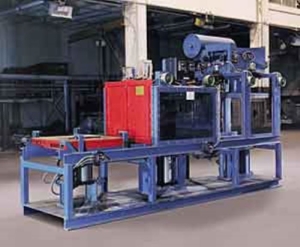
Understanding Electrical Hot Box Curing for Cold-Weather Core Production
Keep Core Production Moving When Winter Temperatures Fall
Cold weather can slow core production long before a core box closes. Sand, tooling, shop air, and materials held in colder storage areas all start the shift at lower temperatures. Those changes can stretch cure cycles, weaken core consistency, and lead to scrap that may not show up until molding, pouring, or finishing.
At EMI, we know reliable curing matters when delivery commitments are tight and staffing is limited. Strong, consistent cores help keep the rest of the foundry moving smoothly, from molding and pouring through shakeout and finishing. Electrical hot box curing gives you a more controlled way to support repeatable core production when ambient temperatures fall, but results still depend on the full process, including materials, tooling, settings, and maintenance.
How Electrical Hot Box Curing Builds Stronger Cores
An electrical hot box uses electrically heated core boxes to transfer controlled heat into resin-coated sand. That heat helps thermosetting binders cure, forming rigid cores that can be stripped, handled, and moved with greater confidence.
Winter conditions can change during a single shift. A door opens, outside air enters the shop, or sand arrives from a colder area. Instead of relying on those changing conditions, an electrical hot box can help you establish target box temperatures and cure times for specific core packages.
Speed matters, but it should not be the only goal. The right recipe balances cycle time with core strength, surface finish, dimensional stability, and clean release from the tooling. Too much heat can create problems just as surely as too little cure time. A core that looks acceptable at the machine may still create trouble later if it is weak, distorted, poorly finished, or prone to gas-related defects.
We recommend treating each core package as its own process. Large, deep, thin-walled, and intricate cores may respond differently even when they use the same sand and binder system.
Match Settings to Your Sand and Binder
Start with the process window recommended by your binder supplier. Their guidance should cover the main variables that affect curing, including sand temperature, binder percentage, catalyst needs, core box temperature, and cure duration. From there, we encourage you to validate those settings with your own sand system, tooling, and production conditions.
Cold sand can be especially disruptive. Sand stored close to exterior walls, brought in from an unheated area, or held in a cold hopper may take time to stabilize. Tooling has the same challenge. A cold core box at the beginning of a shift can perform differently from the same box after it has reached operating temperature.
During production trials, track more than whether the core strips from the box. Useful checks include:
- Core strength and strip time
- Surface quality and clean release
- Dimensional measurements
- Gas-related defects seen later in production
- Differences between early-shift and mid-shift results
Document proven electrical hot box recipes by part number. When operators can refer to settings that have already worked for a certain tool and core package, they have a clearer starting point across shifts, product families, and changing seasons.
Stabilize the Full Coremaking Workflow
A hot box cannot solve every cold-weather variable on its own. Material handling plays a large role in how sand flows, how evenly binder distributes, and how the mix responds to heat. Keeping sand, binder, additives, and tooling in conditions that limit temperature swings and moisture exposure helps reduce surprise changes at the machine.
Gradual warmup also matters. Heating a core box too quickly or unevenly can create hot and cool areas across the tooling. Those differences are often more noticeable on larger tools or detailed core shapes, where heat may not reach every area at the same rate.
Controller setpoints are helpful, but they do not tell the whole story. We recommend checking temperatures at critical locations and confirming that actual conditions match the intended recipe. This gives your team a better view of how the equipment and tooling are performing.
A winter startup routine can help operators catch small issues before they affect a full run. That checklist may include:
- Sand temperature and material condition
- Binder condition and correct mixing practices
- Heater performance and thermocouple readings
- Compressed air quality
- Core release and clamp operation
Clear startup steps make it easier to spot a drifting temperature, a slow-heating box, or a material issue before it becomes a larger production interruption.
Plan Service and Spare Parts Before Disruptions
Cold weather has a way of exposing equipment problems that were easier to overlook during warmer months. Before seasonal demand rises, inspect the electrical hot box system for wear that could affect heat transfer, safety, or uptime. Pay close attention to heaters, wiring, controls, thermocouples, insulation, safety devices, and core box clamping systems.
Spare-parts planning should reflect how heavily the machine is used and how important it is to daily output. A part that is simple to replace can still cause a long delay if it is not available when needed. Keeping high-priority electrical and mechanical components on hand can help your maintenance team respond more quickly during a busy schedule.
At EMI, we support foundries with core production equipment, OEM parts, service, repairs, and remanufacturing. Reviewing equipment condition before winter gives you more time to plan maintenance and identify components that may need attention.
Prepare for Reliable Winter Core Output
Before colder conditions become more severe, review current cycle times, scrap patterns, core strength checks, and downtime records. Compare early-shift results with later production, and look for changes that may point to cold sand, uneven tooling temperatures, or equipment performance issues.
A practical winter readiness plan brings the full process together: validated curing settings, stable material storage, operator checklists, preventive maintenance, and priority spare parts. When each piece is considered before the weather turns, your team can spend less time reacting to inconsistent cores and more time maintaining steady, dependable output.
Improve Cold-Weather Core Consistency
At EMI, we help foundries evaluate the equipment and process support needed for reliable winter production. Explore our electrical hot box solutions to strengthen curing performance and reduce seasonal variability. Our team can help you identify a practical approach that supports your core production goals.