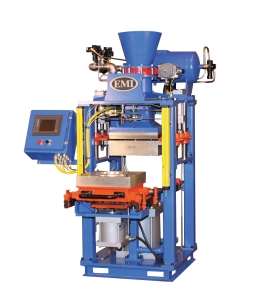
Evaluating Sand Casting Flasks for High-Mix Foundry Production
Build More Agile Molding Lines with Smarter Flask Choices
High-mix, variable-volume work can make a molding line feel like a traffic jam. Patterns are changing all the time, jobs are smaller, and the fall rush brings tight delivery dates as new models launch and customers want parts before winter. When every hour counts, sand casting flasks are not just boxes that hold sand; they are a big part of how quickly the whole line can react.
Smart flask choices support faster pattern changeovers, shorter runs, and more complex castings without throwing off quality. They help planners squeeze more jobs into the day and help maintenance teams keep lines steady when demand spikes. In this article, we will walk through how to look at flask design, materials, and automation fit so your team can make clear, practical decisions based on what the work mix really needs. At EMI, we have spent years with foundries on green sand molding, core systems, aluminum lines, and finishing equipment, so we see how all these pieces come together on the floor.
Align Flask Strategy with High-Mix Production Goals
High-mix production usually means at least one of these:
- Frequent pattern changes
- Wide range of casting sizes on the same line
- Seasonal demand spikes around model changes or winter orders
- A mix of repeat work and short-run or prototype jobs
In this kind of environment, sand casting flasks shape how fast you can move. They affect:
- Changeover time between patterns
- Mold stability for tall, thin, or complex shapes
- How easily you can blend big and small jobs in the same shift
A narrow set of standard flask sizes can keep things simple. Tooling is easier to organize, storage is cleaner, and handling equipment can be more uniform. But it can also force pattern compromises, add risk with weak sections, or push some jobs to another plant or process.
A larger family of flask sizes gives more freedom to match the flask to the job. That can support better mold quality, lighter handling where possible, and less sand waste. The trade-off is more patterns to track, more setups to train, and more places for mix-ups if standards are loose.
This is where dimension standards and locating features matter. When flasks share:
- Common locating pin patterns
- Known reference faces and heights
- Clear markings that survive hard shop use
you can move patterns and flasks between lines or even plants without chasing unexplained scrap. That consistency supports scheduling flexibility, which helps a lot during the fall quoting and tooling-change season.
Key Design Factors When Comparing Sand Casting Flasks
When you line up different flask designs, start with structure. Wall thickness, rib layout, and corner details all help the flask stay true under compaction, vibration, and handling. If a flask twists or bows, your mold parting lines move, and that can quietly build scrap and rework.
Think about how rigid the flask needs to be, and how heavy it can be. Heavier flasks often feel safer and stiffer, but they also:
- Slow manual handling and pattern changes
- Demand larger cranes, hoists, or robots
- Increase fatigue for operators during busy seasons
Lighter but well-designed flasks can keep mold quality high while lowering strain on people and equipment. During peak fall production, when staffing can be tight and overtime is common, small gains in weight and ergonomics show up as steadier output and fewer handling problems.
Compatibility with existing molding equipment is another big filter. Check:
- Pin and locator style and condition
- Cope and drag alignment methods
- Lift points and how they match cranes, robots, or transfer systems
Worn locators and poor alignment quietly drive mismatch, broken edges, and clean-up time. When flasks match the molding line well, with clear and repeatable locating, operators spend less time fighting fit-up and more time making good molds.
Do not forget venting and sand flow. The way sand enters, packs, and breathes in the flask affects:
- How well deep pockets and cores fill
- Blow and gas-related defects
- How far you can push cycle times without hurting quality
Thoughtful vent paths, openings, and internal clearances help sand reach tight spots and release air, especially on taller molds. That is key when you want to combine fast runs and complex geometries in the same schedule.
Selecting Materials and Construction for Long-Term ROI
Flask material is about more than strength. Common choices include:
- Steel plate and fabricated assemblies
- Ductile iron cast flasks
- Hybrid builds that mix cast and fabricated parts
Each reacts differently to heavy green sand loads, thermal cycling, and abrasive conditions. The right choice depends on how hard the line runs, how aggressive your compaction is, and how often flasks move between lines or plants.
Lifecycle thinking matters. A flask with a higher upfront cost can pay back if it:
- Holds shape over many seasons of use
- Resists wear at pins, bushings, and hinge areas
- Accepts easy repairs with common tools and parts
Look closely at wear areas. Locating pins and bushings should be replaceable without major downtime. Hinge points and high-contact faces should be designed so you can rework or swap parts instead of scrapping an entire flask.
Good construction also supports safety and quality. A stable flask that resists warping creates fewer pinch points, less sudden shifting, and fewer dropped or jammed molds. That means cleaner patterns, less rework, and a work area that feels predictable and calm, even when winter orders are stacking up.
Integrating Flasks with Automation and Digital Planning
As more foundries add robots, gantries, and smarter conveyors, sand casting flasks become a key part of the automation story. Consistent geometry and sturdy handling features are what let robots grab, move, and set molds without constant tweaks from maintenance.
For automated handling, pay attention to:
- Standardized lift lugs or pockets
- Flat, clear gripping surfaces for clamps or fingers
- Weight distribution that avoids awkward moments for end-of-arm tools
When these features are consistent across a flask family, programming and commissioning go faster. You also get fewer teach points to maintain as patterns and flasks move between lines.
Digital planning is starting to reach flasks too. Marking flasks with serial numbers or scannable codes lets your MES or ERP track:
- Which line a flask is assigned to
- Cycle counts and usage patterns
- Maintenance history and repair notes
That data helps you plan preventive work between busy seasons instead of reacting to sudden failures in the middle of a rush.
It also pays to think ahead. If you know you may add vision-guided handling, smarter pattern recognition, or higher line speeds in the future, make sure new flasks support that path. Clear reference marks, readable surfaces for cameras, and handling features placed for likely grippers can save a lot of redesign later.
Turn Flask Evaluation Into a Competitive Advantage
Sand casting flasks are not just hardware in the background. They shape how agile your foundry can be, how stable quality stays at peak load, and how ready you are for more automation and digital planning.
A simple flask evaluation checklist might ask:
- Structural integrity: Does the design resist distortion under your real compaction and handling conditions?
- Design compatibility: Do flasks align cleanly with current molding lines, cores, and finishing flows?
- Material choice: Does the material hold up to your sand, thermal swings, and run schedules over the long term?
- Automation readiness: Are lift, locate, and reference features friendly to robots and future upgrades?
- Maintenance strategy: Can your team repair wear areas quickly with clear standards and spare parts?
The best flask strategies usually come from cross-functional work. When production, engineering, maintenance, and quality teams review options together, it is easier to pilot new flask concepts on upcoming fall or winter runs and see real-world results.
At EMI, we have seen how thoughtful flask choices support responsive green sand molding, core handling, aluminum casting systems, and finishing equipment in foundries around the world. Treating flasks as a strategic tool, not an afterthought, is one of the quiet ways high-mix foundries stay ready for whatever the next busy season brings.
Optimize Your Casting Performance With Purpose-Built Equipment
If you are ready to improve mold stability, casting quality, and uptime, we can help you configure the right sand casting flasks for your line. At EMI, we work with you to match flask design, size, and durability to your specific foundry conditions. Share a few details about your process and casting goals, and our team will recommend a practical path forward. To start a conversation with our engineers, simply contact us today.