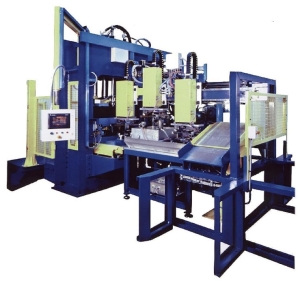
Questioning Foundry Finishing Equipment in High-Volume Lines
Foundry finishing equipment can make or break a high-volume line. You can have a fast molding line, strong core production, and reliable pouring, but if finishing cannot keep up, the whole plant feels it. This is where a lot of hidden problems live, especially as schedules get tight and customers expect shorter lead times.
In this article, we will look at how finishing becomes a quiet bottleneck, how to spot the real constraints, and when it makes sense to rethink your equipment and layout. We will also talk about automation, flexibility for future work, and how to turn hard questions into a clear plan for better throughput and quality.
Stop letting finishing equipment hold back throughput
In many foundries, molding and pouring get most of the attention. Finishing often ends up as “whatever we can fit at the end of the line.” That works for a while, until new molding or core investments start pushing more castings than the old finishing equipment can handle.
When that happens, outdated or piecemeal finishing setups do more than slow things down. They can:
- Erase cycle time gains from new molding or core machines
- Create extra WIP and rework that no one planned for
- Make staffing and scheduling harder than they need to be
It helps to step back and question every finishing step, not just the obvious ones. That means looking at cut-off, cleaning, grinding, inspection, and all handling in between. How often do parts sit? How many manual touches are there? How often are operators waiting on equipment, or equipment waiting on operators?
At EMI, we look at finishing as a system, not just stand-alone machines. For both ferrous and non-ferrous casting operations, we design and automate finishing so it matches the pace and quality targets of the whole line, not just what worked five years ago.
Spotting hidden bottlenecks in high-volume finishing
Bottlenecks in finishing rarely show up in a single number on a report. They show up on the floor first. Some common signs include:
- Growing WIP piles in front of blast or grinding cells
- Overtime in finishing while molding lines are standing by
- Off-shift or weekend rework just to keep shipping on track
- Late or uneven delivery even when melt and molding are stable
Casting flow also plays a big part. Mixed green sand work, core-heavy jobs, and different alloys all load finishing in different ways. One part family may fly through blast and grind, while another needs special fixtures, extra deburring, or more careful inspection. If your finishing layout does not handle that mix, operators end up juggling work instead of staying in steady flow.
A simple walk-the-line audit can be eye-opening. During a normal production day:
- How far parts travel from pour to ship
- How many times a casting is picked up, put down, or moved by hand
- Actual cycle times versus what is on the job sheet
- Changeover delays, fixture swaps, and hunting for tools
When these problems roll into busy seasons or new program launches, they get worse. Schedule swings add even more stress, and finishing becomes the first place you feel the pressure.
When to rethink versus refine existing equipment
Not every finishing problem needs a brand-new system. Sometimes, better tooling, fixtures, or work instructions can bring a cell back in line with the rest of the process. The hard part is knowing when small tweaks are no longer enough.
It may be time to think bigger when you see:
- Scrap or rework climbing in the same finishing areas, again and again
- Frequent injuries or ergonomic complaints in grinding or cut-off cells
- Ongoing maintenance downtime on older blast or cleaning equipment
- Takt time for new parts that finishing simply cannot meet
Data can help cut through guesswork. Even simple tracking of cycle times, part mixes, and actual output by shift can show where line balance has failed. When small fixes only move the needle a little, that is a strong sign that layout, automation, or core foundry finishing equipment needs to change.
Seasonal planning windows are a good time to act. Many foundries use planned outages to upgrade molding or melting. That is also a smart time to stage finishing changes, so the line comes back with better flow from shakeout through inspection.
Integrating automation into foundry finishing equipment
Automation in finishing is not about replacing every task with a robot. It is about removing the repetitive, heavy, or hard-to-staff work so people can focus where judgment matters most.
High-volume lines usually see the most value from automation in:
- Repetitive cut-off and grinding operations
- Part handling between stations
- Loading and unloading blast equipment
- In-line inspection, gauging, or basic sorting
Foundries deal with real-world variation: flash that is not always the same, gates that move a bit, changing casting dimensions, and very abrasive dust and media. At EMI, we design automation around those realities, with guarding, dust collection, and layouts that hold up to harsh foundry conditions.
When robots, vision systems, and smart conveyors are tied into existing foundry finishing equipment, finishing shifts from a labor-driven area to a predictable step tied to takt time. That makes planning easier and quality more consistent, even as experienced workers retire and new people need clearer, safer jobs.
Building finishing systems for flexibility and future mix
High volume does not always mean one part, one line, forever. Many plants in the Midwest and beyond run several part families and alloys across the same finishing equipment. If that mix grows, rigid cells quickly become a limit.
A more flexible approach might include:
- Modular fixtures that swap quickly for different part families
- Recipe-driven settings for blast, cut-off, or grinding programs
- Quick-change tooling that keeps changeovers short and simple
- Conveyor routing that lets you bypass or add steps when needed
Finishing should not be walled off from casting and core decisions. A new core design, a switch in alloy, or a change in molding parameters can shift flash, gates, and surface conditions. Each of those changes can add or remove work in finishing. When upstream changes happen, it is smart to review downstream finishing plans, not just “make it work” on the floor.
Long-term planning also matters. Remanufacturing older equipment, upgrading controls, and keeping a clear OEM parts strategy all help finishing systems stay aligned with new safety rules and customer demands without constant surprise downtime.
Turn questions into a performance-driven finishing plan
Right now is a good time to question every part of finishing in high-volume lines. New models are coming, delivery windows are getting tighter, and labor pressure is not easing up. If finishing stays as the permanent constraint, the full value of your molding, core, and aluminum casting systems never shows up in shipped product.
At EMI, we work with foundries to study the entire line, model throughput, and highlight real pinch points in finishing. From there, we help build scenarios for different part mixes, automation levels, and phased upgrades that fit planned maintenance and capital cycles. When those questions turn into a clear, performance-driven plan, finishing stops holding the line back and starts matching the pace and quality the rest of your operation is ready to deliver.
Upgrade Your Foundry Finishing For Better Quality And Throughput
If you are ready to improve part quality, consistency, and productivity, our team at EMI is here to help you select the right foundry finishing equipment for your operation. We work with you to understand your current process, production goals, and constraints so we can recommend equipment that actually fits your workflow. To discuss your application, specifications, or timeline, simply contact us and we will help you move your project forward with confidence.