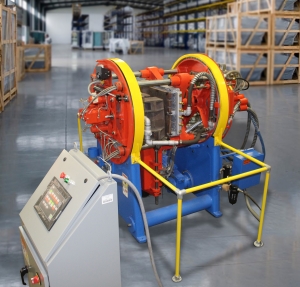
Strategic Uses of Remanufactured Foundry Equipment in Expansion Plans
As Q4 approaches, many foundries feel the squeeze. New contracts are lining up for the coming year, budgets are tightening, and there is pressure to lock in capital projects before the calendar flips. You need more capacity and more automation, but new equipment lead times and big price tags can slow everything down right when demand is heating up.
In this kind of pressure cooker, smart equipment choices matter. One powerful option is often overlooked: remanufactured foundry equipment. When it is planned well, it can speed up expansion, protect cash, and lower risk, all while delivering the performance you need on the floor. At EMI, we see this every day as we pair engineering know-how, automation experience, and full remanufacturing support for growing foundries of all sizes.
Why Expansion Plans Stall Before They Start
Many expansion plans stall long before any concrete is poured. On paper, a new molding line, core room cell, or aluminum casting workcell looks simple. In the real world, a lot gets in the way.
Common hurdles include:
- Long delivery times for new equipment
- Permitting delays and plant construction schedules
- Tight plant layouts that make every square foot a puzzle
- Demand forecasts that are strong, but not guaranteed
Capital pressures add another layer, especially late in the fiscal year. Leadership wants short payback periods, projects compete for approval, and everyone is aware that a wrong move ties up cash for years. When all of this stacks up, projects often get trimmed.
That “scope shrinkage” might look like:
- Dropping automation or robotics from the initial phase
- Choosing smaller machines than you actually need
- Skipping flexibility for future alloys, tooling, or process changes
It can get the project approved, but it also locks in limits that hurt long-term competitiveness. You win capacity on paper, but you pay for it in labor, bottlenecks, and scrap over time.
Strategic Roles for Remanufactured Foundry Equipment
Many people think remanufactured equipment means “used” equipment that has simply been cleaned up. That is not what we are talking about here. True remanufacturing involves a full teardown, deep inspection, replacement of wear parts, modern controls, and performance testing before anything returns to production.
When done with OEM-level engineering, remanufactured foundry equipment can play three powerful roles in an expansion plan.
1. Bridge Capacity
You might be planning a brand-new molding line or a high-automation core room, but that project will take time. A remanufactured system can:
- Add near-term capacity while the new line is designed and installed
- Cover seasonal peaks without rushing your long-term build
- Give your team room to train and refine new workflows
2. Permanent Assets in Support Areas
Not every process needs the latest platform. Some areas run lower volumes or non-core parts. Remanufactured molding, core making, aluminum casting, or finishing systems can:
- Serve as permanent production workhorses
- Free capital for strategic, high-impact cells
- Give you reliable performance where “good and consistent” is enough
3. Pilot and Test Cells
When you want to trial new alloys, tooling concepts, or automation strategies, committing to a full fleet of new equipment is a big leap. A remanufactured cell can:
- Provide a safe test bed for new process ideas
- Let you shake out tooling and fixturing before wider rollout
- Reduce risk on unproven layouts or casting designs
With thoughtful specification and OEM support, remanufactured solutions can meet your performance, safety, and reliability standards across molding, core production, aluminum casting, and finishing.
Financial Gains From Remanufactured Solutions
From a financial point of view, remanufactured equipment gives you more ways to get projects approved and keep them on track.
Key money and planning advantages include:
- Lower upfront investment compared to new machines
- Ability to stretch limited capital across more capacity points
- More room to include automation or data projects in the same plan
Shorter payback periods can make it easier to meet internal ROI targets. With less capital tied up in one machine, your expansion portfolio can spread across several bottlenecks, not just one.
A smart approach many foundries use is to pair remanufactured systems with phased automation:
- Start with core machine capacity at a lower capital level
- Add robotics, vision, and data collection over several budget cycles
- Keep improving performance without restarting the approval process
Over the lifecycle, the math can be very attractive. Lower acquisition costs, combined with updated controls, condition monitoring, and reliable access to OEM parts, close much of the gap with brand-new machines. In many cases, uptime, quality, and support are close enough that the lifecycle economics lean toward a blended mix of new and remanufactured assets.
Engineering Remanufactured Equipment Into Plant Layouts
Of course, even the best remanufactured system must fit your plant. This is where engineering support matters. You want each new or remanufactured asset to tie into existing material handling, pouring, and finishing without disrupting core production.
Effective layout strategies include:
- Placing remanufactured molding or core lines as “swing capacity” cells
- Segregating prototype or short-run work to protect your main lines
- Targeting bottlenecks that slow down peak-season output
Controls also matter. Older machines can feel out of place if the controls do not align with your plant standards. That is why many successful projects include:
- Upgraded PLC platforms that match your existing control family
- Safety systems in line with current company policies
- Data connectivity for IIoT and integration with plant monitoring
- Consistent operator HMIs, so training is simple and downtime is reduced
With the right planning, a remanufactured molding line or core machine does not feel “old.” It feels like part of one connected, modern foundry.
Reducing Risk with OEM-Backed Remanufacturing
Not all used equipment is the same. Buying a machine “as-is” from the secondary market can bring hidden problems, especially when you are pushing tight cycle times or running abrasive media and demanding alloys.
OEM-backed remanufacturing changes that risk profile. The process typically includes:
- Application review to confirm fit for your casting alloys or core processes
- Structural checks to verify frames and key components are sound
- Replacement of critical parts with OEM-spec components
- Standardized testing to confirm performance before shipment
Support is another major advantage. With an OEM involved, you have:
- Training options for operators and maintenance teams
- Clear spare-parts paths that match your specific build
- Technical service that knows both the original design and your upgrade history
- Future upgrade paths for automation and safety as your standards evolve
At EMI in Ohio, we see how much this matters when foundries are planning for cold-weather demand and year-end projects. They do not just want a machine. They want a long-term asset that fits their standards and can grow with them.
Planning Expansion Around Remanufactured Assets
So how do you bring all of this into your next capital planning cycle? The first step is to stop thinking of remanufactured foundry equipment as a backup option and start treating it as a core part of your expansion strategy.
A practical starting point is a line-by-line review:
- Where are your real bottlenecks during peak season?
- Which processes are “good enough” and just need more capacity?
- Where would added redundancy lower your risk if a machine goes down?
- Which areas need the very latest technology, and which do not?
From there, you can design a blended approach: new equipment where it creates the most strategic impact and remanufactured systems where they deliver strong financial and operational leverage. By pairing EMI engineering, automation expertise, and remanufacturing capabilities, foundries can move faster, protect budgets, and still build a flexible, modern operation ready for whatever the next year brings.
Optimize Your Foundry Performance With Reliable Equipment Solutions
If you are ready to upgrade or extend the life of your operation, our experts can help you evaluate the best remanufactured foundry equipment for your specific production goals. At EMI, we focus on practical solutions that improve uptime, safety, and long-term value. Tell us about your project and we will work with you to define a clear path forward. To start the conversation, simply contact us today.