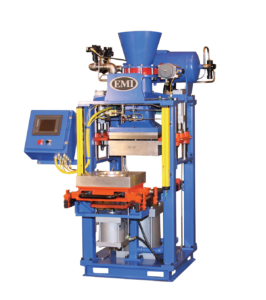
Why Mold Wall Pressure Drops in Spring Months
Once spring arrives, most of us notice changes in how our molding machines perform. Tooling warms up faster, sand acts different, and something just feels off in the pressure cycle. One issue that often shows up without warning is a dip in mold wall pressure. It doesn’t come with loud alarms or big shifts in output. It creeps in during transition weeks when metal temps start rising and humidity kicks up.
Not all pressure drops are easy to trace at first. That can slow down fill times, weaken cavity support, or cause irregular venting. These problems don’t always trip production delays right away, but ignoring them could mean more rework or scrap by mid-season. By looking closely at what spring weather quietly changes across the line, we can get ahead of the drift and keep things running steady. As seasons transition, every section of our process starts responding to environmental cues in ways that can be small but add up. It’s important to keep an eye out for the less obvious signs of seasonal impact, not just the big ones. This early awareness is critical for ensuring line stability.
Understanding Mold Wall Pressure Behavior in Spring
Spring hits foundries differently than summer or winter. The materials don’t stay the same day to day. When daily temperatures swing wider or rise faster than we expect, sand behavior can drift without much warning. We’re not just dealing with basic mechanical wear, but a mix of environmental effects that can disguise themselves as typical shifts.
- Temperature variations affect how tightly sand packs and how well it bonds along the mold cavity.
- Higher humidity softens the mix slightly, allowing moisture to sneak in and weaken the mold wall.
- Resin-based cores can cure faster or slower, depending on temp or airflow, leading to inconsistent density.
These changes stack up. If the stress on the mold wall isn’t even when the metal enters, then support starts to break down. A soft patch here, slower vent there, and suddenly the cavity can’t hold shape the same way it did during winter runs. That’s when we start to see short-pours, flash, or corner defects. Even minor changes in condition can lead to issues that only show up later in the process. By the time you notice defects in the finished product, the root conditions may have been shifting for several days.
Core Machine and Molding Interactions That Contribute to Pressure Drop
Not every drop in wall pressure comes from the mold itself. Problems on the molding machines often begin with changes in how our core systems behave, especially when temperatures and airflow don’t match up. It’s easy to overlook how interconnected each system is, but one adjustment in the core can quickly transfer effects to the overall mold performance.
- Cold box core systems may speed up or lag behind cure time if the binder mix doesn’t fit warmer conditions.
- On high-speed lines like the 3-IN-1 or QuickCore, tool temperature changes during swaps can throw off how the mold fills.
- Prototype or manual lines with varied cycle pace are more likely to show signs of pressure inconsistency during transitions.
That interaction between core cure, mold fill, and airflow becomes more sensitive when the seasons shift. If one area reacts faster than the rest, it throws off the whole balance. Our most consistent lines aren’t always the fastest ones, they’re the ones we adjust first during temperature swings. As those shifts begin, it’s essential to coordinate changes across your systems, not just focus on isolated causes. Looking at the timing and consistency between core production and mold filling is key to solving spring problems before they become bigger defects.
Checking Your Line for Spring Pressure Loss
We don’t need to wait for full defects to see when something’s off. There are small clues that tell us mold wall pressure is slipping, if we’re listening for them. The start of spring is the right time to build in extra inspection routines and slow down to notice subtle process changes.
- Hear a change in vent release, or feel it take longer to clear? That could mean reduced pressure transfer through the cavity.
- Watch flash patterns around cope and drag. If they shift from sharp to spotty, the issue may live in the wall, not the metal.
- Check cycle logs for small variations in fill depth or shot weight. Tiny shifts are often the first signs that something is off.
Any of these might seem like single-run misses, but when they start lining up across multiple machines or batches, we know it’s time to look deeper. Spring doesn’t give us hard failures right away, more often, it blurs the line between acceptable and problem. Regular monitoring and record-keeping during spring allow trends to be spotted before they affect entire batches. A focus on incremental signs rather than only reacting to big issues will help avoid extended troubleshooting and downtime further into the season.
Tuning Molding Machines for Stable Spring Runs
Once we know temperatures are rising for good, that’s the time to tune before problems grow. Most adjustments are small, but make a big difference long-term. The trick is to balance the need for quick changes with careful, measured observation, using each cycle as a test to confirm results before moving to the next adjustment.
- Reset matchplate clamp pressure to account for expansion across heated mold contact surfaces.
- Recheck muller settings for mix texture and density. Blend timing matters more when sand temperature climbs.
- For automatic molding machines, verify injector pressure curves still line up with warm-weather fill speed.
We’ve found that spring tuning is less about making permanent changes and more about staying in sync with the environment. Start with the pressure systems that are most localized, fill, clamp, injector, and work outward to airflow, material feed, and cooling schedules. Even a few degrees of change at these points can cause or fix problems down the line. Make a habit of reviewing each setting periodically as spring progresses, conditions rarely stabilize overnight, and a successful setting one week may need another look as the month goes on. Coordinating crew communication about each adjustment can help with quicker identification of trends.
Clearer Casts Through Better Spring Strategy
When mold wall pressure drops, everything follows, fill rate, vent response, part shape. The most durable lines we run are the ones tuned to their season. Spring pushes us to pay closer attention, especially when temperature bounce is high and humidity changes fast. Being proactive in these months improves overall foundry workflow and prepares the entire line for the stress that comes with warmer summer operations.
Fixing those small shifts up front saves long resets down the road. If we catch fluctuation early, adjust sooner, and listen for the quiet changes, we stay consistent no matter what the weather looks like outside. That’s the difference between reacting to problems and staying ahead of them. Spring isn’t the problem, it’s just a reminder that machines feel the change even when we don’t. Developing team awareness and regular reporting on minor variations can keep spring maintenance a steady, predictable process rather than a rush to recover from avoidable issues. Above all, keeping a steady strategy ensures higher quality output and less line disruption as the season advances.
At EMI, we understand how seasonal changes can subtly affect machine performance throughout your operation. As spring temperatures fluctuate, adjusting equipment setup helps maintain consistency and prevents small issues from escalating. Noticing uneven fills, pressure drops, or vent shifts could signal it’s time to review your current setup of molding machines. Small adjustments today can prevent bigger challenges later in the season. Connect with us to make sure your production stays smooth this spring.