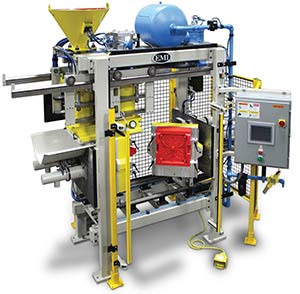
How to Reduce (Not Eliminate) Springtime Cast Scrap
Spring brings a mix of temperature swings and rising humidity, and for foundries, that means changing conditions on the floor. When we’re running high-volume jobs on tight cycles, even small seasonal shifts can show up where we don’t want them, like an increase in scrap. While it’s not realistic to eliminate cast scrap entirely, we can cut a good portion of it by making steady adjustments instead of chasing symptoms.
Most of the issues we see in this season can be traced back to common pressure points in molding, handling, or setup. The goal isn’t perfection. It’s about removing the waste that doesn’t need to be there. Small, consistent changes help us keep production flowing without needing complete system overhauls.
Understand Spring’s Impact on Casting Conditions
Once spring weather settles in, temperature and humidity stop being stable. Warmer, damp air affects how sand handles itself in the mold. Even if everything downstream is working well, we start noticing flaws that show up at the edges, surface texture, fill consistency, pattern drag.
These changes usually connect to three core issues:
- Sand compaction gets inconsistent as air moisture rises. Damp sand can feel the same in the hopper but act differently at the mold, leading to soft spots or breaking cores.
- Tooling shifts more with seasonal temperature jumps. Steel expands and contracts faster than tooling bases or frames, making alignment more sensitive. That can mean a few extra thousandths that weren’t there before.
- Core boxes and patterns may release differently when air conditions fluctuate. If you’ve ever had cores misfire after a foggy morning, you’ve seen it firsthand.
We keep our focus tight this time of year. If scrap kicks up, we don’t assume it’s always the process. Sometimes it’s the environment working against it.
Make Adjustments Based on Molding Method and Machine Type
We don’t treat all machines the same, especially in spring. Not every molding machine reacts the same way to rising temps or shifting humidity. That’s where understanding what type of system we’re working with matters.
- Manual molding machines can start dragging early in the season. When operators feel extra resistance or notice the mold isn’t packing right, it’s often humidity creeping into return sand or pattern gaps.
- Automatic matchplate molding machines usually hold longer between adjustments, but when they do go off, it often shows up in airflow, fill speed, or gate wear.
- Tight flask systems are more sensitive to sand mix changes. They need tighter tolerances, so early spring is a good time to recalibrate flow rates or pattern gaps.
By linking our molding method to the material prep and machine response, we can make smarter calls before scrap builds up.
Keep a Close Eye on Process Timing and Sand Flow
Timing issues always get louder during spring. One mold might fill slow, the next fast, then suddenly a poor breakaway leaves flash or short fill behind. These symptoms don’t always point to a single cause, but they usually trace to flow or cycle timing.
Here’s what we watch:
- Slight delays in fill or compact cycles can throw off how sand settles against the pattern. These are easy to miss in the moment but add up in defect counts.
- Spring is when over-compaction becomes more common. If the operator tries to make up for moisture with more force, we get crushed vents or uneven fill.
- Simple checks on sand consistency help. We don’t need lab equipment for it—shovel feel, squeeze tests, and even watching how it falls through the hopper can tell us enough to act quickly.
We prefer to catch these slips early, when the mold is still good, not after shakeout shows us a problem buried inside.
Strengthen Training and Review Cycles for Spring Readiness
Spring doesn’t just affect the tools and materials. It changes how the floor keeps up with the work. If we don’t update training habits this time of year, we miss obvious fixes that prevent small problems from repeating.
We keep our sessions short and focused. Often, a 10-minute review near the molding line saves five or six poor molds later in the shift.
- Hands-on checks help. Watching fill behavior or compaction while the mold is live gives operators a clearer picture than a spec sheet on a wall.
- We log things more often too. A note about drag, parting marks, shifts in sand feel—these stack up across the week and show patterns we don’t always catch in the moment.
- One of our most useful habits is having quick talks between operators and maintenance leads during shift change. That’s where minor issues are passed along before they become morning scrap for the next crew.
Communication shifts with the season, just like the sand does. We match that timing and get ahead of it.
Consistent Processes Lead to Fewer Headaches
We don’t aim to zero out scrap in spring. That’s not realistic. Instead, we focus on keeping the scrap predictable, manageable, and tied to known issues we can act on.
The molding machines we use have limits, especially when environmental changes push outside the usual range. When we respect those boundaries and adjust for the season, we hold a better line throughout production.
Spring doesn’t have to be disruptive. With the right checks in place, we keep cycles steady and scrap down, without chasing every single imperfection that shows up at shakeout. It’s not about running perfect, but about running smart.
Spring production can bring unpredictable challenges, but even small adjustments to your systems can lead to more consistent shakeout results. At EMI, we know that staying ahead of seasonal stress means having the right equipment in place. Whether your operations are manual, matchplate, or tight flask, optimizing your processes starts with choosing molding machines that fit how your floor actually runs. Ready to cut downtime and reduce scrap? Reach out to our team today.