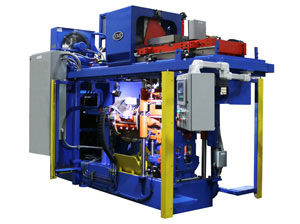
What Spring Dust Buildup Means for Tight Flask Molding
As spring picks up, so does the dust floating through production spaces. It’s not always obvious at first, but that dust finds its way into vents, surfaces, and machine edges before long. For foundries using molding machines, especially tight flask systems, that added buildup can change the accuracy of a mold, the consistency of a clamp, or how easily a pattern seats. It doesn’t take much for those small changes to speak louder than expected.
We know that this time of year brings more movement, more airflow, and more tracking from materials being staged in and out. The goal is to keep things simple and steady before problems cost us time or production. Knowing where that dust ends up and what it disrupts can help us get ahead of it before it slows things down.
For many foundries, spring marks a period of transition. The doors open more often, ventilation shifts, and more materials move in and out. Dust doesn’t just settle on obvious surfaces, it lingers in the tighter spots, gets caught up in equipment, and is carried by operators as they move through spaces. Sometimes a set of unexpected mold imperfections can be traced back to a buildup of particles that seemed harmless at first.
Understanding the dynamics of dust and airflow in spring is a key step to preventing headaches across your shop. Small amounts of airborne material sneak into molding cavities, clamp mechanisms, and ejection systems. Once they do, even precise equipment like tight flask molding machines can start to show symptoms of disrupted cycles more frequently than many operators realize.
How Spring Dust Accumulates Around Tight Flask Systems
Once windows are cracked or shipping bay doors are left open longer, spring air starts circulating through most parts of the shop. Warm air brings in fine dust from materials, cores, and even packaging. When that movement picks up, it changes where dust lands.
- Open stockyards and unsealed sand handling zones move more fine particles indoors during spring breeze or vented airflow.
- Tight flask molding systems hold steady pressure between two mold faces. Any dust on those contact surfaces puts thickness where none is expected and stresses the mold seam.
- In high-speed lines, it only takes a few problem cycles before buildup at clamps, cradle edges, or flask corners gets packed in and locked tight. That can throw off fit just enough to shift the quality of the mold.
While other machines might let debris slide past, tight flask systems depend on clean, flat, well-connected surfaces to do their job right.
Consider the timing as spring begins. The rate of production usually increases, and any overlooked buildup from winter gets stirred up with new dust. Increased staff movement and taller material stacks mean more movement for all airborne particles. As conditions change, so does the frequency with which you’ll need to monitor machine surfaces for unexpected particle deposits.
It helps to think of dust as a process variable, not just an inconvenience. When unchecked, dust can alter every point of contact between moving machine parts, even faster than expected. In some cases, it lies hidden between cycles, making it difficult for pressure sensors or automated diagnostics to catch on until routine performance falters. This means proactive adjustment to schedules and regular spot checks become even more useful during this season.
The Hidden Impact on Mold Quality and Performance
The kind of particles we’re talking about don’t always look like much, but they change contact points in small, stubborn ways. That’s where production issues sneak in.
- Dust that settles between moving mold parts or across key bearing points can block full closure, leading to loosened fit or offset compression.
- That puts more stress on clamps, which may start over-traveling or hesitating, causing wear on both the mold and machine frame.
- Parting lines don’t pull cleanly when vents are blocked or air can’t relieve fast enough during the compression load. Casts come out off-center or with surface gaps that slow down inspection and increase scrap.
These aren’t big, dramatic failures. They’re slow and hidden, but they pull energy and accuracy away from the machine over time.
While some operators may blame software or mechanical wear as soon as fit and finish begin to drift, a lot of the earliest performance changes actually track back to microscopic debris. Even minimal dust can change tolerances enough to demand more force, mess with pattern seating, or alter the flow path for resin and curing gases.
Airflow is another silent culprit in performance dips. Inlet covers, control boxes, cooling fins, and even pneumatic hoses can collect dust that interferes with both cooling and movement. These added resistances build on each other, sometimes leading to a cascade of tiny adjustments across a shift rather than a single failure point. The build-up can mean the difference between a cleanly pulled mold and one requiring extra smoothing or repair just to meet basic specs.
Common Dust-Related Problems Operators Should Look For
When cycles start acting just a little different, it’s often a sign we’ve got buildup somewhere. And in spring, the first signs are usually mechanical, not digital.
- If flasks rock even slightly between loading or unloading, that can point to dust trapped beneath the carrier or base.
- Frequent or growing resistance during clamp engagement usually comes from misaligned guides or friction pads clogged with dust.
- Spotting minor flash or seam drift more than one cycle per shift signals that the mold halves aren’t seating with consistent pressure.
- And when the ejection system or release steps require more air or more tries, it’s often because soft buildup blocks movement or release venting paths.
These symptoms often appear first in tight flask setups because they work on tolerance instead of force.
Another telltale sign of spring dust issues is increased operator intervention or repeated stops during a shift. Small errors can pile up when clamps or carriers move slower than expected, or if parting line repeatability starts to fall out of an acceptable range. Communication among the crew becomes even more important, so minor differences from shift to shift get noticed early.
If multiple operators mention difficulties during different production runs, it may be a signal to investigate physical causes related to environmental changes. That means digging into routine machine checks a bit deeper. Use downtime to review the less obvious spots: beneath mounting plates, along guide rails, and inside vent ductwork. Documenting even superficial dust on those surfaces can help create better cleaning habits over the weeks to come.
Low-Time, High-Return Checks for Spring Maintenance
It doesn’t take a full-service call to correct spring buildup. Small, targeted checks can make all the difference, especially if we’re early enough in the cycle load.
- Give special attention to clamp pads, ejector pins, and mold carrier tracks. These areas wear faster when grit sits between smooth contact points.
- Lightly compressed air can help gently clear vents or small traps where dust might collect without affecting seals or liners.
- Moving a bright light across closed surfaces often reveals the shape of dust buildup, watching for even a hairline edge where a gasket or clamp should be flush can highlight problem spots early.
- Increasing regular cleanup around molding machines during spring, whether through damp mopping or shielding sand zones, can reduce what ends up where it shouldn’t.
These smaller routines can be added to shift changes or wrap-ups without major change to schedules.
It also helps to run through additional “sense checks” after lunch breaks or shift turnovers, when outside air has likely circulated through the workspace. Using mirrors, flashlights, or even tactile checks along straight edges makes it easier to confirm the surfaces remain smooth. Remind your team to be vigilant but efficient, allowing these spot checks to complement, not replace, your existing maintenance protocols.
Small updates to airflow management, like shielding open sand or keeping high-traffic walkways clear of packing dust, build towards a smoother run over the week. Removing dust before it cakes on metal or clogs systems is always easier (and cheaper) than pulling apart components during a surprise failure.
Sharper Cycles Start with Cleaner Surroundings
Once spring dust starts showing up, the goal is to limit how it interrupts our molding machines during busy shifts. With tight flask systems, it doesn’t take much misalignment or friction to disrupt what should be a clean seal. And that disruption stacks up fast.
We’ve seen how a buildup of only a few grams translates into stubborn flash, off-center molds, or repeated manual fixes. Taking time at the start of the season to control dust before it becomes baked-in friction points sets the pace for longer, steadier production across each line. By adjusting early, we help avoid uneven wear, waste, or quality issues that run deep into summer.
Spring dust can reveal how your systems handle repeat loads and changing shop conditions. Our team at EMI has seen how even the tightest flask setups can become less reliable without consistent surface cleanliness through seasonal shifts. Staying on top of equipment wear means knowing exactly where to look and how to respond when mold fit starts to slip. See what sets our molding machines apart for pressure, movement, and repeatability, and contact EMI today with any questions.