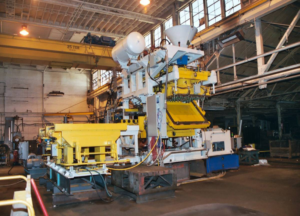
How to Extend Core Box Life with Spring Cleaning
Spring doesn’t always show up with big changes. Sometimes, it’s just a bump in shop temperature or the air getting a little heavier. But even small shifts like this can start to affect our core machines in ways that aren’t obvious at first. We start to see slower cures, sticky tool release, or wear patterns that looked fine back in February. By mid-May, those early signs often turn into downtime.
This is the season to give our cold box systems a full check before heat and humidity build further. A solid spring cleaning routine does more than keep things tidy. It extends core box life and keeps production cycles from dragging. When we stay ahead of buildup, friction, and alignment issues, our machines respond better through the summer and beyond.
Focus on Air and Binder Pathways
Any airflow obstruction or binder buildup inside cold box systems will show up first in cure quality and tool release. That’s why we give all air and binder channels a closer look this time of year.
- Clean all vents, nozzles, purge lines, and gas tubes. These parts are usually where sand dust, old resin, and vapor buildup settle over winter. A blocked vent doesn’t stop the machine, but over time it causes part defects and erratic gassing.
- Check inside drying tubes and shared manifolds. If those lines hold excess moisture or loose debris, gas delivery won’t stay even across the core box.
- Inspect the binder lines feeding into the core head. Any inconsistency here throws off flow rates and leads to uneven parting lines or soft spots in cured sand.
We take time now to flush and clear these channels while line demands are still ramping back up. That saves hours of troubleshooting when cure issues show up under heavier usage.
Core Box Surface Upkeep
This is often where damage starts but gets ignored until parts stick or pull unevenly. Any leftover resin, sand deposits, or rising corrosion can chip away at box performance.
- Remove all resin film, old release agent, and sand patches from the draw surface of the core box. These areas wear faster with repeated heat and pressure shifts in spring.
- Look at parting lines, insert pockets, and vent slots. These tighter sections hide tiny pit marks or cracks that eventually lead to mismatches or sticking.
- Reapply release agent only if needed and avoid layering too much. Overcoating actually causes more drag and buildup, which shortens the box lifespan.
We use this time to put hands on the hardware. If anything feels rough, loose, or out of fit, that’s the sign to address it now before it breaks under higher cycles.
Tighten Machine Timing and Alignment
As core machines adjust to warmer ambient temps, we often notice cycles starting to drift. Another second on purge, a slower clamp reset, or an offbeat on gas cure can slip by if we’re not looking for it.
- Review shot timing. Air agents tend to expand faster in spring, so over-gassing or under-curing cores becomes more common.
- Reset machine alignment on any quick-change setups. That includes indexing tables, tilt locks, and any dual-cure stations. When joints warm up, slight shifts can throw a precise cure off-center.
- Clamp pressure is a big one. Seals and stops may have dropped tension over the cold months. Test a few cycles to check that hold force remains strong during draw.
Machines don’t need full recalibration here, just fine adjustments to stay within their intended rhythm. It helps us catch problems early before they take a machine offline.
Evaluate Usage Across Machine Types
Every model responds differently to seasonal change. Some wear faster in heavy use zones, while others reveal sync issues that were hidden by colder air.
- Start with high-production cold box systems. These jobs cycle nonstop, so their vents, gassing heads, and box clamping faces need the most cleanup first.
- Check prototype and manual setups next. These slower stations give us a chance to try out updated cure times or spot small mechanical wear without slowing down automated lines.
- Dual station core machines should get tested for sync timing. These models are great for throughput, but warmer temperatures can throw off their alternating fix-draw pattern if cycle phasing falls behind.
We rotate each machine through cycle monitoring and light maintenance, so spring changes don’t snowball into June downtime.
Use Warmer Months to Plan Forward
Mid-spring gives us a window before summer cycles peak. That’s when we rotate routine checks and longer-term updates into production without much interruption.
- Start replacing worn seals, bushings, and clamps. These issues don’t usually break flat-out but slowly drop cycle quality if ignored.
- Try alternate cure or draw settings in lower-volume setups. This helps us prep for how summer heat may change resin behavior or gas expansion.
- Log baseline cycle data from April or May. We use these numbers later to spot if a machine is burning through binder too fast or holding pressure too long.
We treat maintenance as prep work, not just repair. Our machines hold calibration longer when they’ve been cleaned up and tuned to match current shop conditions.
Build Longer Core Box Life into Your Routine
Spring is more than cleanup time. It’s the handoff between slow-season tolerance and high-volume accuracy. If we spend a little time now clearing vents, tightening clamps, and inspecting surfaces, we keep our core boxes running smoother for longer.
Every season adds wear, but not every part of that wear has to be permanent. When we keep airflow steady, cure times tight, and contact surfaces clean, the box stays in spec and parts release right the first time. That gives us more uptime across more machines, no matter how much the conditions around us keep changing.
Spring shifts often affect cure times and alignment marks, making now the best time to stay ahead of summer slowdowns. We keep our lines running efficiently by flushing gassing paths, tightening draw setups, and maximizing the life of every box shape we run. Whether you are cycling fast or switching between setups more frequently, maintaining your core machines at this stage pays off all season. Our full line of core machines is designed to handle seasonal swings without missing a beat. Contact EMI to discuss how we can help get your equipment ready for what comes next.