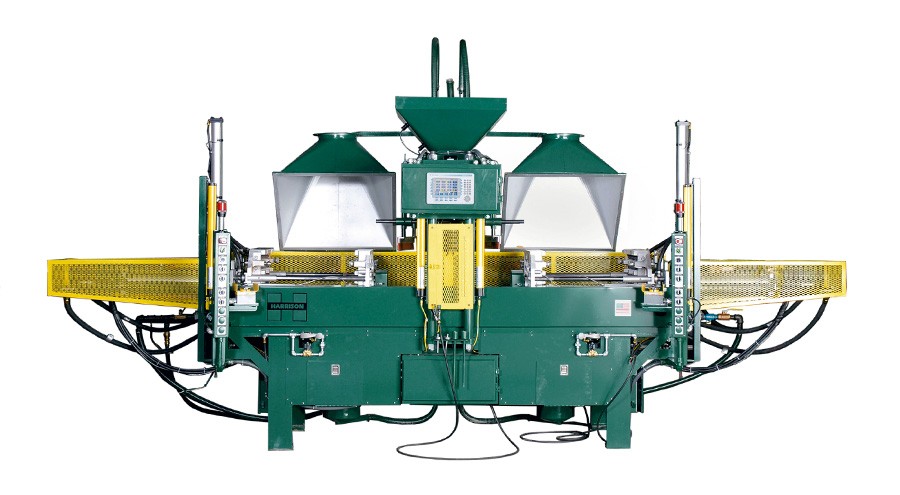
How Spring Maintenance Affects Dual Station Core Machines
Spring maintenance isn’t just about cleaning up the workspace, it directly impacts how core machines run. Dual station core machines, in particular, feel the change in ways that can’t be ignored. These machines do a lot at once, and with season changes comes a shift in how precise they stay, how well parts fit together, and even how materials behave.
As the weather warms up and humidity fills the air, small variances in temperature and moisture can start to influence machine timing, airflow balance, or sand curing rates. These changes happen gradually but can strain production if not addressed early in the season. Spring gives us the perfect chance to check on where those changes hit hardest, especially if we haven’t done any servicing since winter shutdowns. Looking closely at our core machines now can help us avoid slowdowns once orders pick up.
Why Spring Maintenance Matters for Dual Station Operation
Dual station machines are workhorses. They keep pace using precise, fast-moving parts operating in sync across multiple stations. These machines perform differently when exposed to rising ambient temperatures or increased moisture from spring airflows.
- Their components expand and contract when seasonal shifts start affecting internal temps. That means fine alignment between moving parts can fall slightly out of sync. For dual stations, even the smallest offset between platforms can throw off timing and cause inconsistent finishes.
- The speed of operation matters too. With more cycles per hour, any seasonal cause for drift or friction plays out faster than on other machine types.
- Excess moisture in the shop not only messes with airflow paths but also changes how well the core box seals or how evenly parting surfaces close. That affects curing and how easily a core can release later in the process.
Spring signals more than a temperature change, it can pressure these machines in ways that don’t happen during other seasons.
Common Spring Issues We See in Core Machines
As production ramps up in March and early April, we start seeing familiar problems that line up with seasonal activity. Dual station core machines are no different. Even after a quiet winter, the change in shop conditions starts showing up quickly.
- Misalignment between stations is one of the first signs. It often begins at the ejector or blow plate and grows worse with each passing shift if not corrected. That slows down cycle times or creates small defects in the mold faces.
- Sand fill and resin cure become harder to dial in. Humid air makes materials behave differently and sometimes requires adjusting airflow or temperature settings to compensate.
- One of the less obvious problems is leftover residue from winter runs. When machines aren’t cleaned properly before production builds back up, that buildup can block venting systems or clog part feeds. Trapped pressure or material waste then shows up in the form of air pockets, flashing, or poor release.
Each of these issues has a seasonal pattern, and knowing what to watch for helps us get ahead before they interrupt full-capacity production.
Maintenance Areas to Focus On Before Spring Ramps Up
Planning for spring isn’t about tearing down machines from top to bottom. It’s about tightening up what shifts with seasonal changes. Focusing on these spots lets us tune performance without taking hours away from actual production time.
- Start by checking motion controls between both stations. Dual machine timing relies on tight sequences, and seasonal temp swings can loosen the precision between phases.
- Airflow systems are key. Vents, blow tubes, and filters build up moisture and dust as spring arrives. Clearing those helps maintain sand distribution and vent control.
- Look for leaks. As shop pressure builds in spring, small cracks in hydraulic or pneumatic lines often reveal themselves once the lines heat up. Catching these early saves downtime.
- Don’t forget temperature systems. Resin mixes and sand holding bins may need new setpoints once the air itself gets warmer. If temps are too low or uneven, curing gets soft and parts might stick.
A light round of focused checks keeps overall machine strain lower and cuts down on cycle disruptions later on.
Adjusting Production to Handle Spring Changes
Spring doesn’t just affect machines at rest, it changes how we run them during active shifts. Making a few changes during startup and operation helps avoid unpredictable results when humidity or temperature are changing by the hour.
- Treat the first few mold cycles like test runs. Especially on cool mornings or after long shutoffs, letting the system warm up under observation helps catch alignment, venting, or pressure inconsistencies before full-speed runs.
- Mid-shift checks can make a big difference. Assign break-period inspections to airflow balance, cycle timing, or sand violence. These checks shouldn’t add much time but help flag problems before they show up in finished castings.
- Some cycles may need a bit of extra spacing. As moisture climbs late in the day, giving blow vents or cure chambers a second or two longer between actions allows air to reset fully. That can bring casting quality back into range without changing anything upstream.
Production shifts fast during spring, but staying flexible with these changes keeps output on track.
Stronger Starts for Busy Season Workflows
Spring is when most production schedules start picking up, especially for foundries that slow down during winter. Dual station core machines carry much of that demand. By giving them the right kind of attention early, we can avoid sudden hiccups right when we need them to be performing at their peak.
This isn’t about doing more work. It’s about picking the right touchpoints to check so we don’t get caught fixing things mid-shift when output already matters more. We’ve seen how nature and machine performance connect during this season. A routine spring reset gives our machines a fresh start, and it helps our teams focus where it counts, on building good molds, not chasing machine quirks.
Preparing for higher volumes this spring is the perfect opportunity to stay ahead of potential slowdowns. Machines with multiple moving parts perform best when alignment and airflow are verified before workloads increase, especially our core machines that depend on precision timing across stations. At EMI, we can assess where seasonal changes may be affecting performance and recommend adjustments to keep operations running smoothly. Contact us today to schedule a spring tune-up that promotes better casting quality throughout the season.