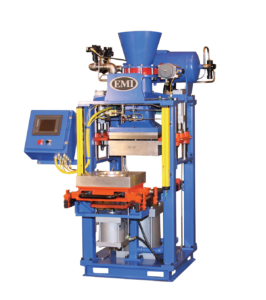
What Makes Tight Flask Machines Easier to Tune in Spring
Spring has a way of leveling things out across the shop floor. After a long winter, when temperature swings can throw off sand compaction, resin cure times, and venting behavior, we finally get some consistency. That steadiness helps us tune molding machines with less pushback. It is especially noticeable with tight flask setups, where precision depends on balance between pressure, material flow, and pacing.
When metal temperatures hold steady throughout the day and humidity does not swing wildly, it becomes much easier to lock in predictable machine performance. We spend less time adjusting and more time casting. Tight flask systems benefit most from this stability, especially those running automatic cycles where timing and tooling temperatures must stay locked in. Spring gives us a cleaner slate to work from, making maintenance, tuning, and operation more manageable across the board.
How Spring Temperatures Support More Predictable Tuning
Unpredictable weather keeps us guessing. Cold mornings followed by warm afternoons can make sand behavior hard to track. In spring, those extremes tend to ease up, and we get more repeatable results. This matters when you are working with molding machines that rely on precision at every cycle.
- When the air is not fighting us, we do not have to overcorrect for thermal expansion or contraction in core boxes or mold tooling.
- The sand mix holds moisture better without drying out too quickly or absorbing water from the air like it can on humid summer days.
- Spring keeps resin behavior closer to optimal, and curing in cold box cores often feels more consistent during this season.
We get fewer condensation problems, fewer cold spots in our molds, and a more predictable flow of metal once the flask is closed. All of that adds up to fewer headaches at the tuning stage.
Why Tight Flask Machines Respond Better to Seasonal Consistency
Tuning a tight flask machine is not just about setting clamp pressure and walking away. These systems depend on uniform force transfer, which only works well when temperatures, material density, and vent behavior hold steady. That tends to happen more reliably during spring.
- With steady air temperatures, machine and mold box heat stays predictable. That keeps alignment tighter and helps with overall mold shape control.
- Uniform pressure is easier to hit every time when we are not chasing sudden temperature dips across multiple shifts.
- More stable humidity means vent passages stay cleaner, and cavity finish remains more even, especially near corners and edges.
When machine behavior does not swing from one extreme to another, we are able to fine-tune the cycle with more confidence. Spring also makes it easier to spot pattern wear or tooling imperfections because environmental interference is lower.
Maintenance and Setup Differences in Spring
Every season brings a different approach to maintenance. Spring creates the right environment to focus on tuning without being distracted by emergency fixes. There is less reactive work needed when machines are not being stretched by tight temperature limits.
- Mold contact surfaces do not have to deal with the expansion or contraction we see during cold snaps or summer heat waves, so cycle timing stays level longer.
- Flask frames behave more predictably, which means we do not need to chase cope or drag misalignment with constant mechanical tweaks.
- Seals and moving parts show their wear more clearly without the extra strain from winter freeze or fluctuating summer humidity.
Rather than tearing down machines for emergency resets, we can schedule smarter downtime, swap worn components, and recalibrate where needed. Spring gives us a window to tune without falling behind.
What to Watch Across Automatic Tight Flask Systems
Automatic tight flask molding machines tend to run smoother when outside conditions are not getting in the way. Cooler mornings no longer slow the hydraulics, and warmer afternoons do not overheat the fill system. It is a sweet spot for machines like the Savelli line, where consistency makes a big difference.
- Preheat control holds firmer during spring because ambient shop temperatures do not shift enough to throw off furnace cycles.
- Sand injection and compaction calibrations require fewer manual resets when machine hydraulics stay in their working range.
- Older machines show less wear during spring because system stress is lighter. We catch minor misalignments more easily without the added noise from season-driven problems.
If we are paying attention, spring tells us a lot about how our automatic systems really operate. It clears out the noise and lets tuning decisions stand on their own.
Building Consistency into the Warmer Season
Spring is more than just a pause between the freeze and the heat. It is the best time to lock in repeatable behavior across tight flask operations. That consistency gives us a clear view of what is working and where adjustments will matter most, especially before summer begins pushing machines harder with extended operating temps.
- Running finely tuned cycles now builds a buffer against the extra stress summer usually brings to sand flow, venting, and mold wall pressure.
- We can fix small feedback issues now, like cycle timing drift or inconsistent shoot weight, before they show up in the form of flash or shrink later.
- With the environment helping us, not hurting us, our line tuning gets ahead of season-change problems rather than chasing them after downtime.
By using spring to pulse-check our tight flask lines, we get better cast stability now and run into fewer slowdowns later in the year.
Using Spring as a Low-Stress High-Value Tuning Window
Tight flask molding runs better when the conditions around the machine do not change day to day. Spring gives us that cushion. It helps us hold tighter tolerances, keep systems steady, and catch what is not quite right before it snowballs. With steady temperatures and milder air, we can tune our molding machines for speed, repeatability, and smart prevention. Running smoother now makes it easier to stay on track when production kicks into higher gear.
Spring brings steadier shop conditions, letting us achieve meaningful improvements with small tweaks, without chasing weather-driven issues. Now is the perfect opportunity to assess how your system handles compaction, clamping, and consistency from cycle to cycle. For those running tight flask lines, this is when our molding machines truly deliver their best under stable settings. Consistent temperatures mean tighter tolerances, fewer surprises, and smoother production runs. Let EMI help you fine-tune your operation before summer, contact us to get started.