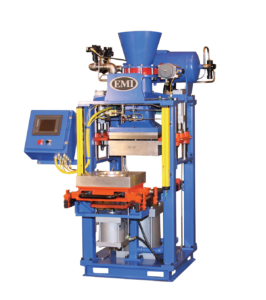
How to Schedule Core Machine Maintenance in Spring
Spring maintenance is one of those things that pays off quietly. If we hit it early enough, we avoid the long list of problems that tend to show up once the warm weather settles in. As temperatures climb and humidity follows, what once ran steady in February starts reacting differently. We see more clogging, slower cures, soft draws, and sand not behaving like it should. Planning ahead for our core machines helps us catch these changes before they mess with casting quality.
By resetting maintenance routines at the start of spring, we get a better handle on airflow, resin delivery, and tool fit before production ramps up for the next cycle. It’s less about overhauling and more about spotting early warning signs. Being proactive with core machines this time of year helps stabilize throughput, cuts rework, and sets us up for a more predictable second quarter.
Planning Spring Maintenance Around Production Goals
Spring cleanups only work if they fit within our current production goals. That means checking where we stand with schedules before anything gets pulled offline. We treat maintenance planning like we do tooling swaps or control updates; we don’t do it in isolation.
- Start by looking at Q2 targets and how much downtime can be absorbed without slowing output. Use that to block out half shifts or small windows where certain lines can be paused without resetting all tasks.
- Pair maintenance with existing lulls or scheduled mold changes, especially in areas running high production core machines. If any machines already have slow days baked in, that’s the time to double up on service runs.
- Use winter data to know where the issues are creeping in. Watch for units that needed more manual corrections, left extra flash, or saw more delay in vent purge times. That usually points to mechanical drag or misalignments that warm weather could make worse.
We make these decisions based on real wear and not just calendar timing. That way, we catch the machines most at risk without wasting time on units still running tight.
Inspection Points to Focus on in Warmer Conditions
Winter operations stress machines one way. Spring exposes the other side. Once indoor air starts warming, moisture can settle in places we aren’t used to checking. Sand starts reacting faster. Draw surfaces stop letting go clean. And fittings that were tight all season can start to loosen slightly with expansion gaps.
- Look at all core vents, seal zones, and purge paths. These spots are more likely to collect residue when air gets sticky. Moisture buildup can make draw times inconsistent and mess with timing on automated lines.
- Expansion is another quiet problem. Tooling can shift without fully losing calibration, especially in systems with dual box holders or sliding tables. Make sure core box alignments are still hitting true and take time to recheck clamp pressure on high-run units.
- On machines using binder delivery systems, spring is when buildup really starts to show. Reactions set faster, and even small amounts of residue can block flow sensors or limit shop air feed. Cleaning these lines early prevents deeper issues when humidity peaks.
These checks matter across all lines, but they’re especially helpful with setups like QuickCore or the 3-IN-1 where multiple movements and curing phases overlap.
Adjusting Routine Tasks for Cold Box and Prototype Lines
Cold box machines always notice seasonal change a little faster than other lines. As temperatures shift, airflow and reaction speed move with it. Resin sets just a bit faster. Sand conditions vary morning to lunchtime. Left untouched, the shift in shop air can throw off part fit, flash rates, and draw reliability.
- Airflow needs a second look. What worked on cold days might pull uneven now. Check control settings and adapt fan coverage if any pattern corners feel warmer or cooler than others during a set cycle.
- For prototype and manual lines, take advantage of faster-curing conditions. These machines may benefit from tighter timing windows, but that only works if the surrounding systems are in sync.
- Update control parameters tied to pressure, heat, and shot weight. Even a modest rise in temperature can make set timing unpredictable, especially when running different core machines on the same floor.
These are small updates but help us avoid larger resets later. Cold box operations are more sensitive to temp and airflow drift, so calibrating them in spring keeps backlogs down when full production hits.
Scheduling for Long-Term Machine Health
We don’t wait for full failures to plan maintenance. The machines tell us stories every time they run. How long a system leaks heat, how often a shot stalls, what it sounds like when clamps reset, these are all signs. Spring gives us a window to listen more closely and act right before summer stress kicks in.
- Instead of pushing all checks into one day, we split full-function tests across separate sessions. That keeps production moving while still giving technicians time to inspect without rushing.
- Spare part needs quietly stack up over winter. We use early spring to do a parts audit. That means comparing what we thought we’d need with what got used, then restocking based on what the summer cycle usually demands.
- Small faults often show up now. Maybe a slide is slightly slower. Maybe vent times drift out just a couple beats. Logging those and dealing with them early keep problems from growing into a line-stopping breakdown.
Maintenance doesn’t have to mean overhauls. If we treat small patterns of wear as repair signals, the equipment repays us with better uptime and more consistent cycle results.
Getting Ahead of Warm Weather Surprises
Spring maintenance creates a buffer. It’s where we buy time by staying ahead of problems. The side benefit is that our machines start the next season smoother, and cores come out cleaner and with fewer reworks.
- Catching small issues early, before heat and humidity expand them, saves hours later in the season. These are often the same issues that snowball fast in summer.
- Spring-tuned machines draw with more precision. That means tighter tolerances and less tooling wear as the summer pace picks up.
- We treat seasonal checks as part of our routine. Doing them before something breaks helps us stay focused on output, not recovery.
Machines that are checked with the season in mind last longer and have fewer surprises. A steady spring routine helps us keep things predictable when everything else ramps up.
Spring downtime is the perfect opportunity to evaluate your core machines and make sure they’re performing at their best. Staying on top of buildup, airflow changes, and cycle variations helps prevent slow draws and setting delays as production ramps up. At EMI, we use this time to keep every unit operating smoothly before the next busy cycle. Whether you’re planning maintenance or expecting higher mold volumes, we’re here to help align your operations. Give us a call to discuss your spring maintenance priorities.