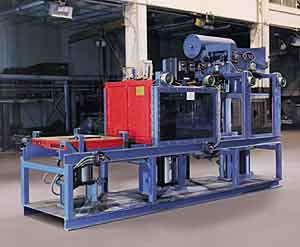
When to Calibrate Airflow Paths in Core Machines Each Year
Airflow has more influence on core machine cycles than it sometimes gets credit for. Too much flow in the wrong spot or not enough in another can throw gas distribution, curing, and cycle timing off balance. If the airflow paths inside a cold box system are left unchecked for too long, core quality usually starts dropping before it becomes obvious why.
That’s why we revisit airflow tuning this time of year, before longer shifts and hotter weather start putting extra demand on our core machines. Spring is when the shop settles into more stable temperature and humidity, which gives us a better chance to get things dialed in. With a little time now, we’re less likely to face unplanned delays or casting issues down the line.
Why Annual Airflow Calibration Matters
Keeping airflow paths clean and consistent helps reduce variation between cycles. It’s easy to forget how much the venting layout affects resin curing and core strength, especially in automated systems. When air doesn’t move evenly through the tooling, buildup starts fast.
- Binders collect at low points and thicken inside tubes
- Dust from returned sand can coat sensors or valves
- Air paths flex and shift slightly after heavy runs or machine maintenance
If we just keep turning the pressure knob to fix a drift in cycle time or core compactness, we miss what’s causing the problem. Regular airflow calibration brings those issues to light before they start showing up in scrap rates.
We get cleaner pressure curves, better gas flow during injection, and more reliable cores that don’t need hand rework. That steadiness adds up as the year goes on. And when runs pick up in the summer, we won’t be stuck chasing variable curing times with last-minute fixes.
Signs Your Airflow System Needs Attention
If a core machine isn’t making consistent product, one of the first places we check is airflow. Because it affects more than just the gas shot. It influences how well the sand packs, how much cure happens across the cavity, and how long the mold stays balanced.
Here are some common signs the airflow path needs to be checked:
- Soft spots or blowholes showing up across specific areas of the core box
- Pressure readings that jump from cycle to cycle or are slow to stabilize
- Operators making constant vent setting adjustments to keep the cure even
These kinds of issues usually show up slowly, which makes them easier to overlook. But once they start, they don’t go away on their own. That’s why we try to tie airflow review to a point in the year when machines aren’t overloaded and shop conditions are less extreme.
How Spring Conditions Help With Better Calibration
Spring gives us something we don’t get much of during other seasons, stability. When external temperatures stay in a tighter range, shop air behaves more predictably. That steadiness makes it easier to find baseline performance on our core machines because fewer outside factors are interfering.
- Resin behavior levels out, reducing unexpected cure failure
- Low humidity keeps the air system cleaner and better balanced
- Temps don’t swing enough to cause cold starts or gummed-up valves
By mid to late spring, we avoid most of the moisture problems that show up in early March but are still ahead of the ventilation issues summer heat brings. That makes this one of the best times to open up vent paths, inspect flow meters, and match up actual settings with target specs. Better to recalibrate now while everything is easier to control.
Best Times and Methods for Calibration
Timing airflow calibration with seasonal transitions helps prevent unexpected line shutdowns later. It’s not just about making tweaks. It’s about setting the system back to a known good place. That gives us a solid starting point for the next few months, especially with automated or dual-station systems.
When we calibrate, we usually follow this process:
- Run a visual check on airflow tubing, manifolds, and connector points.
- Use baseline readings from the machine’s original setup if available.
- Look at current core quality to guide adjustment order.
- Reset meter sensitivity only after mechanical issues have been cleared.
- Confirm pressure levels are balanced across both injection and exhaust sides.
We don’t only rely on pressure values. We match those numbers to what the cast cores are showing onscreen or at the bench. If flow is balanced, core results shouldn’t need daily vent adjustments. If they do, something is drifting off and needs closer inspection.
Building Airflow Review Into Your Annual Maintenance Plan
Making airflow checks part of regular yearly upkeep makes it easier to stay ahead of unknowns. We try not to treat airflow like a one-off fix, but instead work it into a pattern alongside other machine refresh tasks.
- Coordinate the airflow review with spring seal, belt, and compressor checks
- Keep written logs of previous airflow settings and known issues
- Assign the calibration job to a dedicated person or shift
When review becomes routine, we notice problems sooner and respond faster. It’s not just about being proactive, it’s about skipping the messy in-season surprises. Establishing this rhythm once a year can keep production speed up without a drop in quality.
Keep Your Cast Quality Steady All Year
Calibrating airflow paths each year gives us more control over how our core machines behave from season to season. Spring offers the best mix of stability and timing to bring everything back into balance before casting loads increase.
When we’re working with clean airflow paths and solid gas balance inside the box, we get better cycle consistency, less operator drift, and fewer core defects mid-run. It’s a simple step that goes a long way toward keeping core systems locked in and supporting the rest of the line without added pressure. Taking the time now usually means less chasing later.
If airflow adjustments are turning into daily chores or core variance is rising, we’re likely due for a closer look at our core machines. Spring is the right time to make those changes stick while shop conditions are steady and downtime is easier to schedule. Whether we’re running high-output systems or shifting between manual setups and pilot runs, clearer gas paths and better balance always lead to tighter cycles. Take a look at how EMI supports consistent performance across all types of core machines. If your operation is due for a reset, reach out and let’s talk through how we can help.