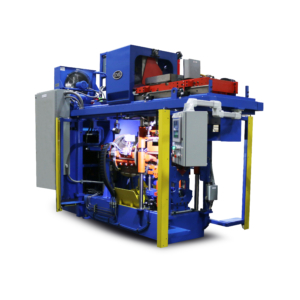
Understanding Matchplate Blow Pressure Fluctuations This Season
As summer sets in, heat starts affecting everything on the floor, including molding machines. When temperatures climb, we see air systems working harder, mold cycles stretching slightly, and pressure holding a little less steady than usual. A lot of this circles back to one sensitive piece of the process, blow pressure on matchplate setups.
Even small shifts in pressure can cause molds to fill unevenly or leave behind flashing where things once called clean. For shops running high-volume schedules, that kind of inconsistency spreads fast. It’s not always a major failure at first. Sometimes it’s just a light mark or a line that won’t shake out, but once it begins, it takes intervention to correct.
This season, we’re keeping a closer eye on what causes blow pressure to drift and what steps help keep things consistent as the shop gets warmer by the week. Molding machines, especially matchplate systems, need that internal balance to stay reliable through longer hours and heavier production. Let’s take a closer look at why that balance can shift and what we can do about it before it affects output.
Understanding Blow Pressure and Its Role in Matchplate Operations
Blow pressure makes or breaks a clean mold. During each cycle, air drives sand into the pattern cavity. If the pressure is too low or spread unevenly, the result is short fill, density differences, or unfinished edges that require rework.
In matchplate setups, this process happens fast. A quick pulse of air pushes through the face, fills the mold, and exits through vents and release ports. That flow depends on clean lines, sealed surfaces, and a steady air source.
- Summer heat can throw off that balance. As compressors warm up, consistency fades. Line pressure drops across the system unless carefully monitored.
- Venting becomes more sensitive. The hotter the air, the less forgiving the delivery becomes, especially on tight cycle timing.
- When pressure wavers, we start hearing it in the sound of fill or seeing it in the mold face. That’s often the first sign that something is shifting inside.
Repeatability depends on more than just the machine settings. It depends on steadiness across the full air system. And when any part moves too far from baseline, molds start to reflect that drift.
Common Summer-Driven Pressure Issues in Matchplate Systems
When days get hotter, air systems across the shop start reacting differently. Compressors run longer to refill. Air temperatures rise inside piping. Humidity may enter the mix, depending on the region. Each of these changes creates little shakeups in pressure delivery.
Here’s where we see most of the trouble during hotter months:
- Compressors under long strain don’t maintain pressure across multiple molds or cycles as cleanly. PSI drops at the far ends, leading to poor fill.
- More moisture in the air makes it harder to vent properly, especially on tight spaces or tools with complex geometry. That can block movement, delay fill, or cause buildup over time.
- Flash or short molds pop up without clear cause. In many cases, it’s a sign the system isn’t recovering between shots fast enough to reset pressure at full power.
We need to treat air itself like a changing material. As its properties shift with heat and moisture, it impacts molding from the inside out. Knowing what to expect helps keep machines consistent even when conditions change daily.
Adjusting Machine Settings and Maintenance to Steady Pressure
Matchplate systems rely on rhythm. One hiccup in timing or flow and the next part isn’t quite right. Warmer temperatures mean we have to make a few seasonal adjustments to help restore that rhythm.
- Adjusting blow cycle time can help restore fill strength when system pressure starts dipping. Slightly longer pulses often stabilize sand placement.
- Clamp and release timing may need to flex to account for expansion in seals, plates, or carrier frames. A short delay on lift or clamp can ruin mold contact.
- More frequent checks of valves, seals, and purge airflow can catch buildup or early corrosion caused by warm air running through tight spaces.
It’s especially helpful to map out known pain points for each machine, things like valve drift, air line sweating, or dry seals cracking under longer shifts. That way, we can move directly to those checkpoints when signs of pressure loss appear, saving time and materials.
Keep in mind that operator awareness also plays a role during these hotter months. Small changes in sound, feel, or mold finish should trigger a quick look at system gauges and line connections. Sometimes just a little extra attention makes a noticeable difference before a larger issue builds up.
Reviewing Matchplate Mold Consistency Across Shifts and Days
Not every system runs the same on first and second shift. By the time afternoon production hits, heat gain inside the shop can start pulling pressure even lower. That’s where tracking makes a difference.
- When we notice flash patterns starting only late in the day, it may point to compressor fatigue or valve warm-up issues that don’t show on morning runs.
- Reviewing mold fill logs and sorting batches by shift can help identify daypart drift, useful for adjusting schedules or staggering break periods to allow air systems to recover.
- Comparing setups across different molding machines, even between manual and automatic models, can surface whether it’s a tool-specific failure or a wider plant problem that needs attention.
These checks help close the loop on repeat issues that often look random but actually point back to summer pressure loss. A consistent fill this season depends on more than one perfect setup, it takes awareness of when and where pressure starts slipping.
If inconsistencies keep showing up, look for patterns in when and where the defects appear. Small logs or notes about shift changes and environmental spikes go a long way in getting to the root of the problem. Evening out these changes builds more reliable output from shift to shift.
When to Recalibrate or Reinspect Equipment
Mid-summer is a good time to pause and fine-tune the systems carrying the weight of production. If heat is already affecting mold results, checking flow zones ensures that everything stays aligned without causing major slowdowns.
- Osborn matchplate machines, flaskless automatics, and other matchplate systems should have baseline settings compared against fresh runs to catch slippage.
- Calibration updates, mostly on flow valves and timers, can bring systems back to balance without heavy rebuilds. These small shifts go a long way when conditions keep changing.
- If airflow feels off or mold finish is fading, it’s worth checking for clogging, cracking, or bonding in pressure seals that don’t show wear until temperatures rise.
Early checks save time. If a line shuts down mid-July from system fatigue or erratic pressure, we’re facing missed orders and extended downtime. Getting ahead now means fewer production surprises later.
Regular calibration and inspection can catch early signs of drift. These steps, even if quick, are worth scheduling before any big changes in plant temperature or production ramp up. They help ensure your machine settings match today’s shop floor environment, not last month’s.
Keeping Patterns Consistent When Temperatures Climb
Stable blow pressure keeps molds clean, simple as that. Every matchplate process runs better when air movement stays controlled, quick, and repeatable. When we stay alert to summer conditions and make smart seasonal updates, we hold onto that consistency longer.
By watching how molding machines respond to heat stress and adjusting our cycle logic and maintenance steps, we protect against quality drift. It’s one of the faster routes to fewer defects, smoother flows, and less flashing during long runs.
Getting ahead starts with paying attention to the signs. When pressure wavers, we don’t always hear it, but we see it. Planning now helps us shape better weeks ahead, no matter how warm the plant gets.
When hotter weather leads to changes in how your molding machines fill or impacts pressure consistency during production, it’s important to evaluate your system setup before issues escalate. We know that small adjustments in airflow or timing can make a major difference when temperatures climb. At EMI, our priority is helping you maintain steady output and avoid disruptions throughout peak months. To minimize defects and keep production on track, let’s discuss how your equipment is performing and identify any needed improvements.