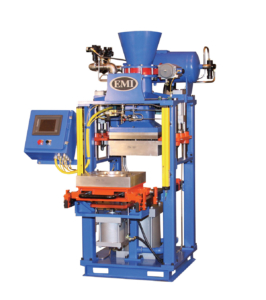
What to Check in 3-IN-1 Machines Ahead of Summer Heat
Summer heat has a quiet way of throwing our machines off balance. One day everything’s running fine, then a few degrees later, we’re chasing draw issues, timing hiccups, or gaps in plate seating. This isn’t unusual, especially with 3-IN-1 core machines. They bring impressive flexibility to the floor, but that same flexibility means more places where performance can drift.
As we approach the start of peak production season, we always take time to tune up our setups. That includes looking at draw schedules, clamp response, and how well our quick-change setups are holding their marks. Getting ahead of these shifts now saves hours of breakdown time when summer heat really sets in. Here’s how we inspect our 3-IN-1 machines and adjust for better output before higher temperatures turn a small variance into a bigger loss.
Check Draw Pressures and Lift Timing
When machine parts heat up, timing shifts. Arms, lifts, and ejectors all start to behave differently the longer the system runs. In hot months, we often see this most clearly in the draw.
- Check that the draw behaves the same across different parts of the core box. If one side hangs, stalls, or finishes too early, timing needs adjustment.
- Look at contact points. Uneven wear on lift plates or misaligned edges may tell you heat is creeping in quicker than expected.
- If patterns are dragging or pulling cores wrong, it’s worth slowing lift speeds slightly or shifting timing offsets to realign the draw across the whole machine.
Keep an eye on long runs too. The more heat builds, the harder it gets to spot draw shifts until they show up at shakeout.
Monitor Cure Windows and Gassing Consistency
Higher shop temps can cut into cure accuracy fast. The resin might feel like it’s acting too fast or too slow, depending on airflow and ambient conditions. We pay close attention to our gassing steps.
- Inspect all vent lines for blockages or loose seals, not just at the core box but at every point where air moves through.
- Recheck cycle timing. If the core hangs longer than expected or resin sets past its ideal window, adjust the gassing duration.
- Watch how air pressure hits across different process versions, whether you’re running cold box cycles, no-bake fills, or shell process lines.
It’s easy to dismiss a one-second delay until it starts showing up in flash or incomplete cures. Summer heat makes that margin smaller.
Tighten Up Pattern Contact and Clamp Response
Metal expands when it gets hot. On a 3-IN-1, that change shows up in the small spaces, places where clamps used to seat tightly or pins held alignment across shifts. If we don’t offset for thermal effects now, misalignment creeps in.
- Check for light clamp force or slow return. Both tend to happen after warmup and cause minor leaks that leave part lines raised.
- Inspect frame and mounting hardware for wear. Even small dings or shifts in rigid points can throw off core box placement.
- If you’re seeing flash where you didn’t before, try a small clamp force increase or a slight timing change to reseat faster and cleaner.
Hot metal loses its grip a lot faster than it gains it back.
Revisit Quick-Change Setup Accuracy
The strength of a 3-IN-1 is in how fast we can swap between setups. But speed can come at the cost of precision if the tooling doesn’t land where it’s supposed to every time.
- After a pattern change, inspect the reset points. Look for leftover gaps, loose fits, or frame shift if clamps didn’t clear out all the way.
- Spend an extra cycle watching alignment during first-run cycles with the new setup. That’s where small slips show up.
- Go through setup routines with operators again. Even experienced crews benefit from reminders that help avoid shortcuts under pressure.
Proper alignment at the start cuts off a lot of quality checks later in the day.
Layer Operator Input with Log Reviews
Experience counts when machine rhythm is on the edge. Sensors can tell us when something’s out, but the best clues come from what people hear and feel before numbers change.
- Take time to talk with operators who run hot shifts. They’ll often notice slow vents or off-beat ejectors before alarms trigger.
- Combine that feedback with cycle logs. Look for unusual peaks, lag spots, or time drifts through the day.
- Compare shifts. If second shift sees more part line defects following a setup run on first, it could point to a cycle timing creep that followed the heat.
We treat sensor data and operator input as equal partners this time of year. Both help steer early fixes before production swings into full gear.
Fewer Delays Start with Better Timing Awareness
Every 3-IN-1 machine has a rhythm that fits the floor. In cooler months, that rhythm sticks. As summer presses in, it stretches, especially if we’re not catching the shifts at the cycle level.
By checking draw speeds, curing windows, clamp sequences, and quick setups now, we clear a lot of blockers before the calendar fills up. Small checks done early are what keep things smooth when the orders pile up and the conditions get harder.
Get the rhythm right now and we spend a lot less time chasing cleanup later. That’s the kind of forward movement we’re always aiming for.
Summer heat can nudge setup times and impact casting consistency, so it’s worth taking a closer look at how your systems handle changeovers, airflow, and draw response. We design each season around keeping our equipment steady when outside conditions fluctuate. Delays tied to switching patterns or clamp fit may trace back to shifting tolerances in your 3-IN-1 or other core machines. EMI can help you review your current setup and identify the best adjustments before demand spikes. Reach out today to discuss your challenges and next steps.