How to Improve Mold Fill Times in Cold Mold Rooms
In cold mold rooms, metal fills don’t always go as planned. Resins shift, flow slows down, and consistency takes a hit. For foundries pushing to stay on schedule during the later part of winter, it’s easy to lose time trying to figure out why once-reliable cycles now run offbeat. Fill times lag and downtime creeps in.
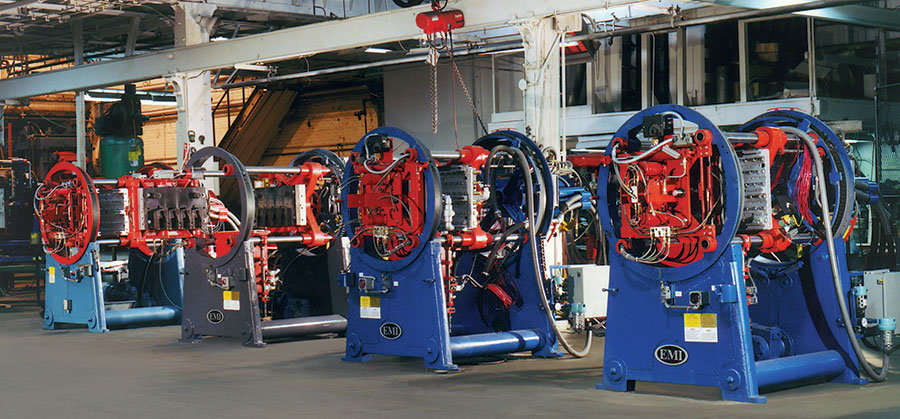
We’ve seen how molding machines respond when ambient temperatures drop lower than the process prefers. It’s not just about freezing pipes or thickening sand, but the entire chain slows, core materials behave differently, and ejection timing starts to stall. With February holding on to its deep cold, now’s the time to tighten up what we can and make corrections that stick through the early weeks of spring.
How Cold Mold Rooms Affect Metal Flow
Fill speed isn’t just about metal temperature. When the room itself drops too cold, plenty of moving parts get out of rhythm. Resin can thicken as it cools, changing how it moves through runners. That means timing gets thrown off before the metal even hits the pattern.
Core materials tend to stiffen fast when they’re cold. This makes it harder for molds to fill completely on the first try. Any mismatch in thermal state between the tooling and core pulls might show up as seam lines or short shots. Keeping vents clean helps, but if the mold cavities stay cold, flow remains slowed no matter how aggressive the pour.
- Cores made with cold resin can slow how fast metal flows past key features
- Temperature swings create slight shifts in pattern match that affect balance
- Even a few degrees difference in mold resin temperature can throw off curing behavior
When pour speed and mold reaction time drift out of sync, we end up chasing defects that aren’t always easy to trace until the cast is done.
Machine-Driven Factors Impacting Fill Speed
Not everything comes down to material behavior. The machines themselves respond to temperature, especially overnight or after sitting idle through the weekend. Old lines show it first. Starting up in colder rooms, we notice that hydraulic systems move differently. Clamp arms might hesitate during close-in. Line pressure drops just enough to delay timing.
On manual setups, this gets spotted early since operators rely on feel from the first pull. For automated lines, though, lag may not set off alarms until repeat patterns show up in casting faults. This is where we see molding machines asking for an extra bit of attention.
- Pneumatic valves and clamps may tighten up at colder temps
- Line pressure can drop slightly when the system hasn’t been kept warm overnight
- Older actuators might drift or miss timing marks, kicking off a chain of slowdowns
We’ve learned to give machines time to wake up, especially at this point in the season. February mornings often don’t give us much room to adjust mid-run, so that first setup matters more than usual.
Short-Term Adjustments That Support Better Fill Performance
Some changes don’t take long to put in play. They just ask for habit. That includes running a few cycles with no pour to help both tooling and air systems rise past cold-room idle temps. We’ve had success getting better castings when we spend those early minutes warming moving parts.
Another helpful approach is modifying how we vent the mold. Trapped air builds up faster when materials stiffen and contract unevenly. Enlarging or adding secondary vents buys us better escape paths, especially on wider pours or where deep cavities are involved.
- Dry-cycle the machine before the first shift to warm up critical linkages
- Adjust clamp cycles to keep pace with current material responsiveness
- Use fill pressure modifications to help metal reach tough-to-fill regions faster
These updates don’t need permanent change. They just help machines snap back to normal function when cold room conditions are acting up near cycle start.
Long-Term Process Tweaks for Seamless Late-Winter Operation
By this stage of winter, it’s smart to look at more than day-to-day fixes. Foundries that log temperature-driven patterns often catch trends that lead to bigger machine faults later. For example, noticing when a clamp consistently lags in cooler temps tells us where seasonal wear is building.
Calibrating mold fill times for each shift across changes in the room temp lets us maintain cycle timing more consistently. It also helps newer operators spot behavior that means adjustment, not failure. Keeping track of polymer behavior over winter is part of that larger awareness.
- Set a chart that tracks mold fill reaction based on current room temperatures
- Monitor areas that repeatedly show uneven cast, even if they pass inspection
- Schedule deep cleaning or preventative maintenance on lines showing gradual downtime increases
Cold isn’t something we fix, it’s something we respond to with good process memory. This part of the season tends to show where habits need work.
Achieving Smoother Castings Before the Season Shifts
We’re getting close to the point where outside temperatures start to swing. It’s not quite spring, but afternoons stretch longer and mornings hold less bite than a month ago. Still, cold mold rooms can drag out poor fill performance unless we stay ahead of small lag points.
Shops that treat late February as a zone of its own find fewer casting faults in March. It’s the in-between weeks where unnoticed slip-ups start to build into consistent waste. Being more aware of how both molding machines and materials behave at this time gives us better cast quality without major line rework.
When we start from a stable base, temperature changes arrive as shifts we’re prepared for, not problems we have to fix mid-run. Letting small machine delays or part shifts flag early helps the whole process recover faster before warm weather takes hold for good.
Experiencing slower cycles, uneven fills, or machine hesitation during late-winter runs signals it’s time to review your core and mold performance. Seasonal adjustments can have a noticeable impact, especially with equipment that depends on steady timing and speed. Even minor changes often restore stability and reduce casting faults. To explore which molding machines can help you maintain tighter process control through seasonal shifts, reach out to EMI today.