Why Your Foundry Layout Should Start with Sand Casting Equipment
Start Your Foundry Layout Where Quality Begins
A foundry runs only as well as its layout allows. When molds, cores, and hot metal fight for space, quality drops, people get stressed, and schedules slip right when demand climbs. That pressure gets even higher ahead of summer production peaks and short maintenance shutdown windows.
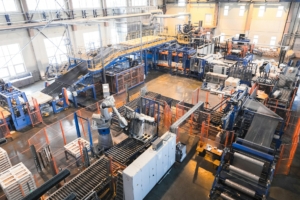
Planning the building first and squeezing equipment in later used to be common. Today, that approach is too risky. To hit throughput, quality, and safety goals, the layout has to start with sand casting equipment. When molding, coremaking, pouring, shakeout, and sand systems come first, everything else can support them instead of working against them.
We design, build, rebuild, and automate foundry equipment every day. From that view on the floor, we see one thing again and again: an equipment-first layout cuts future bottlenecks, rework, and unplanned downtime. It gives your team room to run now, and room to grow later.
How Sand Casting Equipment Shapes Every Workflow
Sand casting equipment is not just “another set of machines.” It defines how metal and sand move through the whole plant. Once you fix those paths, you have set the daily rhythm of your foundry.
Core steps like these drive almost everything else around them:
- Sand preparation and delivery
- Molding and coremaking
- Pouring and cooling
- Shakeout and casting handling
- Sand reclamation and return
Where you place a molding line affects where cores are set, how far molten metal must travel, and which way castings move to shakeout. Each choice affects staffing levels, walk paths, and safe zones around hot metal and moving equipment.
When key equipment is placed first, you can then design:
- Crane coverage for molds, ladles, and maintenance
- Fork-truck routes that avoid tight turns and blind spots
- Clear maintenance access for rebuilds and inspections
If you lock in building walls and offices before this, you will probably spend years fighting around them. Operators end up with long pushes, awkward turns, and hard-to-reach machines. That is how scrap builds up and small delays stack into lost shifts.
Starting with sand casting equipment also helps you plan power, ventilation, dust collection, and noise control the right way. You can size and place:
- Electrical drops near high-load equipment
- Ventilation hoods at molding, pouring, and shakeout
- Dust collection pick-ups along the sand and shakeout systems
The result is a cleaner, safer floor that is easier to keep compliant when rules or inspections tighten.
Designing for Throughput and Uptime From Day One
Every decision about sand casting equipment touches throughput. Mold rate, core placement, and pouring ergonomics all affect takt time and line balance. When the layout supports those steps, the line runs smoother at any speed.
A strong layout around equipment helps you:
- Keep mold handling paths short and direct
- Place core setting close to molding without tight corners
- Give pour decks clear sightlines and safe working space
Shorter travel means fewer chances to drop molds, bump cores, or chip green sand corners. When summer orders ramp up and heat adds stress, these details keep quality steady and people safer.
Uptime is also built into the layout. Machines need room to be opened, rebuilt, and updated. If equipment is jammed against walls or support columns, a simple rebuild can turn into a major shutdown. That is the last thing anyone wants in hot weather when cooling and staffing are already harder to manage.
When we design around equipment from the start, we plan:
- Clear access on at least two sides of major machines
- Safe spaces for lifting, rigging, and component changeout
- Room to add automation or an extra station without tearing out walls
Future capacity increases become much easier when you have thought through these clearances before concrete is poured.
Optimizing Material Flow and Automation Opportunities
Sand casting equipment is the backbone of any future automation. Robots, conveyors, automatic pouring, and automated finishing only work well if the base layout supports simple, repeatable motion.
Putting molding, pouring, and shakeout in straight-line or U-shaped patterns helps:
- Reduce congestion and cross-traffic
- Create clear “lanes” for manual and automated handling
- Make it easier to add sensors and inspection points
When molds and castings move in a clear path, it is far easier to insert:
- Robots for core placement or gating removal
- Conveyors for mold transport or casting transfer
- Automatic pouring units aligned with molding output
We work with complete casting systems, so we look at more than just one machine. Automation pays off the most where machine positioning, elevation, and buffer zones line up. A well-planned pour deck height, or a small buffer conveyor between molding and pouring, can open the door for future upgrades with less disruption.
If the equipment is scattered around support columns or split by unnecessary turns, automation options shrink. Even simple additions, like automatic ladle tilting or in-line inspection, become harder and more expensive to fit in.
Planning for Future Alloys, Volumes, and Regulations
Markets change. Alloys shift, casting shapes evolve, and order volumes rise and fall with seasons. An equipment-first layout gives you more knobs to turn when that happens.
With sand casting equipment as the reference point, you can:
- Leave space to add a second or third molding line in the same flow
- Plan shared sand systems that can feed multiple lines
- Arrange pour areas for different alloys with safe separation
Switching between alloys or product families gets easier when your main paths for sand and metal are clear and expandable. You also reduce the risk of major rebuilds when a new product mix needs more cores or different pouring methods.
Rules change too, especially around emissions, silica exposure, and noise. When your layout is anchored around core sand systems, it is simpler to:
- Add or upgrade capture hoods at known emission points
- Enclose noisy operations like shakeout or reclamation
- Adjust airflow patterns without reworking the whole building
Seasonal spikes, like summer orders for outdoor equipment or heavy-duty parts, put stress on space, storage, and staffing. Modular expansion paths along key equipment bays and standardized utility drops give you room to react. You can extend a line, add a cell, or increase cooling and finishing capacity without rebuilding the entire plant around it.
Turning Your Layout Into a Competitive Advantage
A strong foundry layout is not just “nice to have.” It can become a clear advantage when customers need consistent quality on tight schedules in hot, busy months.
A simple way to start is to walk your current foundry and trace the full path:
- From sand preparation to the molding line
- From cores to the point they enter the mold
- From molten metal to cool castings
- From shakeout back to sand systems and on to finishing
Notice every avoidable turn, crossing, and backtrack. Most of those pain points tie back to where sand casting equipment sits today. Even long-standing layouts in older buildings can often be improved by shifting a few key machines or changing the order of operations.
From there, the roadmap is clear: understand how your current sand casting equipment is working, define your target volumes and product mix, then test layouts before you touch a shovel or move a machine. As a partner focused on complete casting systems for metal casters, we approach layout with the equipment at the center, so your building and utilities support the way you actually pour, cool, and clean castings. When layout planning starts there, your foundry can run cleaner, safer, and more reliably, season after season.
Get Started With Your Project Today
If you are ready to improve consistency, throughput, and quality in your foundry, our sand casting equipment can be configured to match your specific process. At EMI, we work closely with your team to understand your requirements and recommend practical solutions that fit your workflow. Tell us about your goals and constraints, and we will help you plan the next steps. To start a conversation with our engineers, simply contact us today.