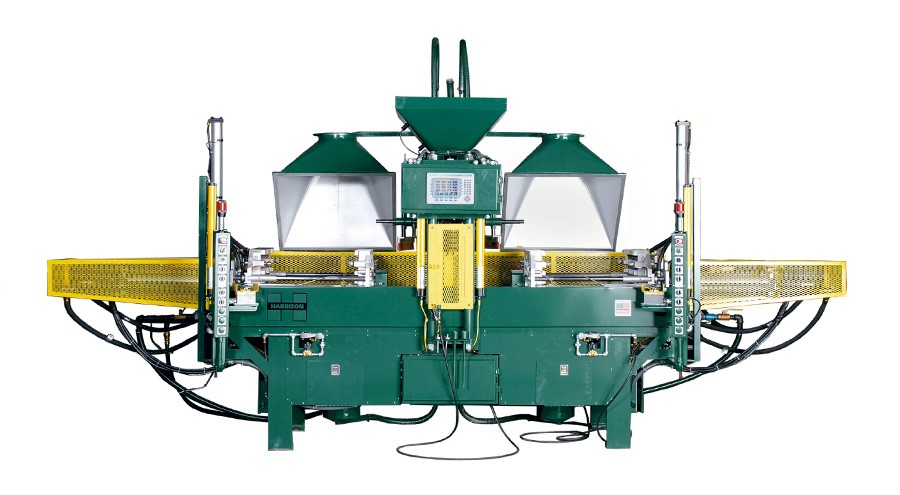
Understanding Ventilation Impact on Core Machines in Spring
Spring can shift the tone of a foundry floor in more ways than one. As outside temperatures rise, it can change more than just worker routines. Small differences in airflow, moisture, and material handling start to appear that disrupt patterns depended on during colder months. One of the less obvious but important areas of attention is how building ventilation quietly influences performance, especially in rooms using core machines.
Foundries relying on consistency in core quality may find that mid-March brings growing issues that did not exist in January. Warm air seeps in, airflow direction changes, and pockets of humidity settle into areas that used to hold steady conditions. Those changes, though subtle at first, can have a real effect on cure times, mold fill, and overall core strength. As spring dynamics creep in, watching how ventilation interacts with core setups becomes part of running smoother operations every day.
How Spring Airflow Changes Interact with Cold Box Core Operations
As soon as spring weather takes hold, signals start showing up in the shop. Room temperatures warm out of winter’s deep lows, which seems harmless until the impact becomes evident. Warmer air has a tendency to leak through windows, gaps in insulation, or doors that no longer stay shut for long. That means airflow patterns established during colder months begin to shift, and processes that worked fine in February may speed up or go off track in March.
Some of the more common spring problems show up in how air moves across the machine and workspace:
- Loosened building seals allow pockets of outside air to enter, adding moisture or mixing temperatures in unexpected ways
- Changing draft patterns affect where fumes gather or linger, which can confuse sensors and lead to uneven gassing behavior
- Core surfaces may cure slower or develop weakened sections when parts of the mold are exposed to humid or still air
These details add up over time. Adjustments may be needed not because the machines are wrong, but because the air around them no longer follows the same path it did weeks earlier.
Common Ventilation Effects on Core Machine Performance
When the focus is on parts per hour, venting may seem like a background item. In spring, it tends to step forward at just the wrong moment. Core machines, particularly cold box setups, rely on precise timing and airflow during each cycle. When the air path gets blocked, redirected, or slowed down, more things start to slip.
A few of the areas where this comes to light include:
- Mold cavities that trap stale air or give off uneven fumes, leading to soft spots or misfires
- Compromised seals where vent ports or filters once kept an even flow, now disrupted by turbulence or clogging
- Accumulated dust or resin buildup in vents and ducts where air struggles to exhaust fully, creating backpressure
When these problems start, it is easy to chase the machine behavior itself. Often, the real change is the air path, particularly when mechanical settings have not been touched.
Spotting the Signs: When Airflow Issues Show Up in Core Quality
A few minor air changes can appear in core output long before alarms trigger. Patterns might look typical at first glance, but cast quality starts dropping off in ways that feel inconsistent. That is when checking airflow is helpful.
Here are several signs to watch for:
- Soft cores or partial forming near corners or deep recesses of the tooling
- Gassing steps that seem complete but result in uncured zones or mismatched cycle timing
- More vent cleanup or flash appearing earlier in each shift as morning air floats through the room
These moments often show up more during startup or shift transition, especially when warm air has had time to sit still or gather overnight. Rework rises, shot quality drops, and delay time becomes harder to pinpoint. These are typically signs that ventilation should be reviewed.
Spring Adjustments That Support Better Ventilation Control
Not every spring adjustment needs to be major. Many ventilation problems appear early enough that small tweaks can bring things back in line before casting quality drops. Targeted approaches in areas where air moves most show the best results.
Simple checks include:
- Cleaning or replacing air filters as seasonal dust and pollen start to drift into the shop through intake points
- Walking the mold room layout at multiple times of day to track shifts in airflow around machines, walls, and vents
- Rechecking calibration on machines and settings connected to airflow and curing speed, particularly if any drafting or cross-current has emerged over the last few weeks
None of these efforts require major downtime or big changes to the project plan. They help conditions line up with what the core machines expect during regular operations. When air stops moving the way it should, machine performance quickly starts to reflect that change.
Better Results Through Controlled Air Movement
Spring brings a lift in temperature and light but can swap cold-season reliability for airflow that is more unpredictable. Sometimes the impact is only noticed after a closer look at core cycle consistency and the way air supports or fails to support machine setups.
Pausing now to observe how spring air is moving through the operating space gives machines a better foundation to work from. That leads to stronger cycles, fewer production issues, and cleaner cast results before late spring brings larger changes across the shop. Maintaining ventilation does not need to be perfect, but it does need to fit how core machines function at their best.
Seasonal shifts can impact your production floor, especially where ventilation and cycle timing come together. At EMI, we understand how even subtle changes in air movement can disrupt the most dependable systems. By evaluating your setup now, you can minimize downtime and rework. Our cold box systems are built with advanced flexibility, so your operations stay consistent as conditions change. See how our core machines are engineered for real production demands in varying environments, and reach out to discuss your current needs.