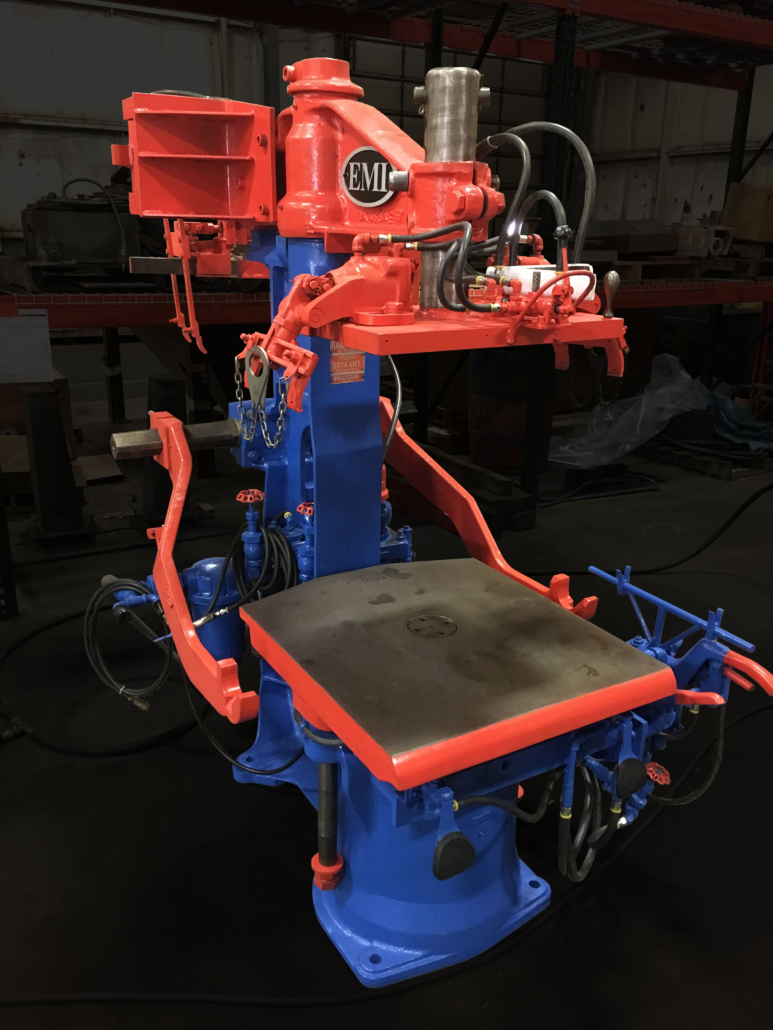
Prevent Cycle Slowdowns in Spring Foundry Operations
When spring arrives, casting schedules tend to shift almost overnight. Shops warm up, daylight hours stretch, and production goals usually take a big step forward. This sudden pace change isn’t just about handling more jobs. It reshapes how our machines respond, especially our core machines.
These systems take on more strain as the days get warmer and the workflow tightens. A clean cycle in December may start showing flaws by late March if it’s not recalibrated. Temperature swings, moisture in the air, and shifting shift loads all play a bigger role than we realize. That’s why now is the right time to step back and catch what’s changing, before it creates bigger problems for the rest of the season.
How Spring Conditions Change Core Curing Behavior
Warmer weather might be good for outdoor breaks, but it brings a different kind of challenge to the foundry floor. Heat and humidity change how our sand and chemicals interact during core production. Most blends don’t cure the same way in March as they did in January, and that’s where problems start stacking up.
- Cure timing drifts as the shop warms, especially on manual setups that don’t include temperature compensation
- If humidity creeps up and airflow isn’t right, cores can stay tacky longer than expected or cure unevenly
- When ambient conditions shift suddenly, over-cured or brittle cores show up more frequently, especially in machines without active monitoring
When cure times don’t match the actual conditions, cores fail quietly. They might look fine, but cracks, chips, or poor ejection start to show up more often. The key is checking cure windows early and often as the season changes. For many foundries, just a few degrees of temperature change can impact binder behavior, leading to longer set times or unexpected softness in finished cores. It pays to monitor the sand mix closely when spring’s first warm week rolls in, reviewing both chemical ratios and airflow in the core room.
Operators can often spot the change before it shows up in data. The way sand fills, the tightness of parting lines, or extra resistance pulling completed cores can all signal a shift. If the room feels more humid, or exhaust systems don’t work as efficiently, those are early hints that adjustments need to be made.
Take some extra time to log any curing delays or surface changes you see, even if they seem minor at first. That record makes it much easier to spot patterns and address issues before they reach the customer. Springtime may bring new challenges, but quick attention to these early clues helps avoid long troubleshooting sessions later in the season.
Effects of Faster Melt and Mold Turnaround on Core Output
As production speeds up, everything downstream is expected to keep up, including the core room. With warmer days and more metal on hand, melt shops can turn around heats faster. That sounds fine until the cycle pressure makes its way to the core machines.
- Higher mold rates increase the number of cores needed each shift, meaning core machines run tighter and longer
- Melt/mold/core timers fall out of sync if communication lags between departments or control systems
- Machines begin to rush cycles, leading to incomplete filling, gassing issues, or shorter curing if no changes are made
Operators start shaving time from the wrong steps, trying to keep up. Suddenly, defects rise, and output suffers. Faster casting lines only work if the support equipment gets tuned in alongside them. When melt departments speed up, core output must match that pace, but rushing production isn’t the solution. It’s important to slow down just enough to make small, meaningful changes to timing, fill cycles, and handoffs between stations.
For example, when cores come out too early or without proper gassing, they tend to be weaker and more prone to defects in the final mold. Adjust core output rates at the beginning of each shift, review operation logs for missed cycles, and confirm that both teams agree on material handoff timing. Keeping the lines of communication open across departments helps avoid accidental slowdowns caused by unsynced equipment cycles.
In some cases, adding short cooling pauses or small adjustments to operational overlap between core and mold may help smooth the transition to increased output. An extra check-in between melt and core crews each morning can help everyone adapt to faster turnarounds.
Missed Maintenance Left Over from Winter
After a long winter, machines pick up wear in places we don’t always spot. Cold weather settles into components. Oil thickens. Dust and resin harden around seals and rods. As temperatures rise, those small issues show up in harmful ways.
We often see the following trouble points at this time of year:
- Clamp mechanisms that begin to bind due to dried lubricant or misaligned guides
- Index tables running out of step from sensor drift or cold-related misalignment
- Valves or solenoids that stick open or don’t energize fully because of residue or aging components
Machines might have muscled through in winter, but spring demands tend to expose these weak spots. Once production kicks into a heavier rhythm, small breakdowns turn into costly downtime if we haven’t cleared out winter’s leftovers.
Shops that take time now to run basic checks on moving assemblies, lubrication points, and sensor accuracy see far less downtime during spring rush. Double-check any machine that ran extra or longer shifts during winter, as these are more likely to show component stress or wear-out first. Early signs like strange noises, slight jerks in motion, or a slow return to rest position should get prompt attention.
Routine filter replacement and a quick inspection of pneumatic lines, especially for buildup around connections, is wise before warm, humid air adds more strain. Even a small leak or sticky valve can cause cycle drift and unexpected stalls, especially as pressures change with higher output.
Make sure to follow any notes from your winter maintenance logs that indicate repairs were postponed. Spring is the best time to finish those tasks, since new downtime at higher output rates is far more disruptive. Consider scheduling mini-inspections at the start of each week during the first part of the season to catch emergent issues early.
Inconsistent Performance in High-Output Core Lines
Larger core setups, like dual-station or QuickCore systems, react differently than smaller, standalone machines when spring hits. More stations mean more variables, and more ways for things to drift out of sync.
- In a multi-cavity machine, temperature differences from one end of the shop to the other can lead to uneven curing, inconsistent blowing, or unbalanced fill times
- Sensors affected by heat expansion can start feeding back poor alignment data, leading to bad cycles
- High-speed production often hides small timing issues until scrap starts showing up in clusters
We’ve seen core machines appear to run fine during day shifts, then fall apart on nights when ambient temperatures drop or shop air changes. Balancing these machines comes down to checking sensor calibration, air supply consistency, and actual part quality, not just output count.
Take the time to compare how different stations perform at various hours. Record when and where problems show up, including any notes from operators about pressing, sticking, or sudden surges. Look closely at sensor data, as even small calibration drift can accumulate as warm days alternate with cool nights.
If some lines use more compressed air or start drawing uneven current, it could be a sign that a part is flexing differently due to heat soak. Resetting machine offsets, rebalancing fill timers, or updating calibration after seasonal changes will help equalize performance, especially for high-speed cycles with little margin for error.
Don’t overlook the role of shop layout. If the air-handling system or venting favors one side of the building, moisture and temperature differences may explain why scrap clusters crop up more in some locations. Coordinating PM checks on both ends of the line often uncovers the root cause before it throws off the entire run.
Setting Up for More Stable Cycles in the Months Ahead
Spring rolling in doesn’t have to throw our process off course. The changes might be subtle at first, but if we catch and adjust early, our core output stays strong under the weight of higher casting targets.
Spring strain on core machines usually comes from places we overlook, slightly slower curing, unnoticed wear, or a few seconds shaved off a cycle. But all those add up when shift output doubles and the days get warmer.
Getting a handle on these seasonal shifts means fewer surprises and smoother weeks ahead. Starting with stable cycles now makes the rest of the season a lot more predictable.
At EMI Inc., we know seasonal transitions can put pressure on your operations and reveal where part quality or machine timing might need attention. We thoroughly assess performance shifts across all types of core machines to help ensure your production stays on track. Addressing cycle challenges or output inconsistencies early helps save valuable time. Let us know how we can support your team and keep your process running smoothly.