How to Prevent Molding Machines from Freezing Up in Winter
When winter settles in and temperatures drop for days at a time, keeping equipment running without delays becomes a daily challenge. Foundries that rely on molding machines know how quickly cold weather can grind production to a halt. Lines sit idle longer. Resin won’t move. Air pressure won’t hold steady. All of this causes hesitation or failure at startup.
Even a short freeze overnight can throw off timing or clog resin, air, or catalyst paths. Nobody wants to spend the first hour of a shift troubleshooting valves or thawing a line when the job is behind schedule. The good news is, there are ways to prevent these problems without rebuilding your setup.
With the right placement, controls, and prep, we can make sure molding machines stay up and running throughout the winter season.
Protecting Core Systems from Overnight Freezing
Some of the biggest problems we see during extreme cold come from what happens after hours. Machines shut down, the heat drops, and important areas cool down too quickly. By morning, parts are locked up or sensors are out of line.
Here’s what helps limit those problems:
- Add insulated panels or internal covers to reduce heat loss around the core box frame, valves, and controls. That extra barrier can slow down temperature drops while machines aren’t running.
- Keep control boxes, pneumatic valves, and resin delivery paths close to internal heat zones or shielded from drafts. Even a small shift in layout can reduce cold exposure overnight.
- Reroute high-risk lines, like air, resin, or catalyst, so they pass through warmer spots, either from the machine itself or from radiant shop heaters. This protects them from freezer-like temps common near exterior walls and doors.
Small positional adjustments and covers may seem simple, but they often prevent big production stops.
Keeping Air and Material Lines From Locking Up
When temperatures stay below freezing, air lines and fluid paths can clog up fast. Moisture turns to ice, and flow slows down or stops altogether. Without steady movement, resin can start to cure in place before it reaches the mold. That creates a mess to clean out and delays production.
To avoid that, we focus on these areas during winter:
- Use filtered, dry air inside pressurized systems. That helps keep water vapor out of the lines, which is especially important once the shop drops under 40 degrees.
- Wrap airlines and resin paths that run outside of heated housings with heat-traced cables or warming strips. If ice forms at the injectors or inside the mix head, that is a shutdown waiting to happen.
- Circulate small amounts of resin and catalyst through the lines during idle windows. This keeps the mixture moving and helps normalize temperatures across tight bends and hard-to-reach spots.
We have seen that catching this early before freezing becomes solid blockage can be the difference between running a full day or spending the first few hours fixing clogs.
Cold-Ready Components That Handle Temperature Swings
Not all machine parts are built to work through deep winter. The wrong material in a hose or seal can stiffen, crack, or shrink just enough to cause a leak or cycle problem. Cold-resistant construction tends to keep molding machines cycling reliably no matter what the outside temperature looks like.
We build around the following principles:
- Use hoses and seals made to stay flexible below freezing. Check that clamps lock smoothly and do not loosen or vibrate loose as temperatures drop and rise each day.
- Reinforce moving parts with solid contact points. Temperature swings can warp lighter materials or gaps, so tighter tolerances and stronger fasteners help avoid misalignment.
- Avoid leaving small moving parts exposed to cold air or open surfaces. Condensation can turn to frost overnight and prevent free movement the next day.
Taking the cold into account when choosing machine components helps smooth out those long winter stretches.
Operating Adjustments That Improve Winter Uptime
Even with solid build quality and smart layouts, daily workflow still plays a big part in keeping machines warm and running. A few adjustments at the operator level help machines get through those freezing weeks without extra downtime.
We recommend the following:
- Extend warm-up times just slightly. Let the system build heat and pressure slowly, so frozen valves or air gaps do not throw off the first round of cycles.
- Perform quick daily checks on sensor response and valve movement before running the line. Cold can slow or skew detector feedback, which causes bigger problems downstream.
- Install warming mats, insulation wraps, or low-setting electric heaters at known cold points like catalyst tanks, reclaim hoppers, or exposed mixing zones.
Simple habit changes on the floor often do more than major retrofits. If cycles are dragging in the cold, small warm-up tweaks can often fix the lag.
Built to Work Through the Cold
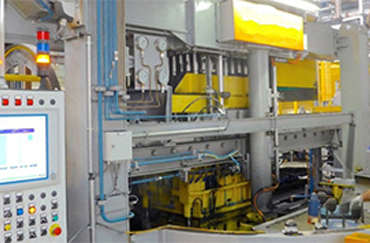
We manufacture a range of molding machines designed to withstand tough foundry environments and minimize downtime. Our automatic flaskless matchplate molding machines include fully enclosed blow chambers, adjustable cycle controls, and rugged core accessories that help maintain performance in fluctuating temperatures. Whether for ferrous or non-ferrous applications, we provide solutions that support productivity year-round, even during harsh winter conditions.
Managing freezing conditions does not always mean building new machines or adding expensive upgrades. It starts with understanding where trouble shows up first and making small, smart adjustments that help hold heat, reduce drafts, or keep materials flowing. Molding machines that run well through the winter are usually built with temperature swings in mind. With enclosed blow chambers, heat-friendly component choices, and a few winter tweaks to operation routines, they stay on schedule all season long.
And when production does not stop for weather, it is easier to plan, scale, and meet output goals, no matter how cold things get outside.
Freezing temperatures can make it challenging to keep production on schedule, so it is important to evaluate how your equipment performs during the winter months. At EMI, we help metal casters reduce downtime by recommending better layouts, enhancing components, and improving heating strategies. Whether you operate manual or automated systems, maintaining stable molding machines through the colder seasons leads to fewer interruptions and more consistent results. Connect with us to talk about the best ways to keep your materials moving and your cycles consistent when the temperature drops.