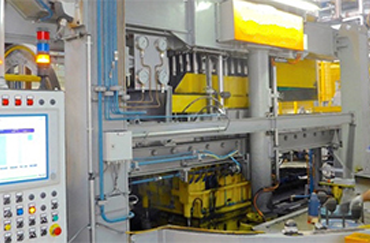
Optimizing Molding Performance During Winter Months
Winter conditions can push foundry operations in ways that few seasons can. Cold air, shifting humidity levels, and fluctuating shop temperatures all work against the consistency metal casters rely on. This type of climate puts extra pressure on molding machine performance, leading to more breakdowns, inconsistent mold quality, and slower production if not managed properly.
Metal casters know that it’s not just the machine that has to adapt. The entire workflow gets tested. Sand behaves differently. Lubricants stiffen. Operators need to be more alert. With December nearly over, foundries are already handling these seasonal shifts. Instead of playing catch-up, it pays to focus now on refining how your molding machines respond to the cold and how your crew operates around them.
Understanding Winter’s Impact on Molding Machines
Winter isn’t just about colder floors and chilly hands. Shop temperatures can dip well below what most setups were designed to handle. That shows up in small ways, like a stubborn clamp or a shorter cure time for the mold surface. But those small issues build into larger, production-wide problems quickly.
Here’s how cold weather affects molding machines:
– Cold temperatures can thicken lubricants, causing slower or uneven machine movement
– Air moisture changes affect sand moisture, leading to density shifts across molds
– Older seals or hydraulic systems may leak or react slower, increasing wear
– Compressed air systems may form condensation that freezes in lines
– Pattern release becomes inconsistent, particularly with manual molding jobs
For operations using equipment like the Osborn Matchplate or Savelli Automatic Tight Flask systems, shop temperatures that drop too low can throw off the pressure balance or cause timing issues during cycles. Even automatic matchplate molding machines fitted with sensors and valves can malfunction when cold air hits key components directly.
These mechanical shifts don’t just affect repeatability. They can result in rejected molds, more frequent downtime, and added stress for your team. That’s why waiting to adapt isn’t a smart move. Addressing cold-related problems up front helps keep production on track.
Maintaining Optimal Machine Performance
Fewer breakdowns and better output quality start with changes made at the right time. Getting through winter doesn’t mean reworking your entire molding operation, but it does require tighter daily control.
Try incorporating these steps into your winter maintenance routine:
- Run shorter, more frequent inspections instead of waiting on weekly reviews.
- Monitor oil temperature and flow. Warming equipment slowly before startup can extend machine life.
- Use dryers or filters in compressed air systems to block moisture buildup.
- Wrap exposed lines or valves using insulation to prevent freezing.
- Track mold hardness and adjust blow pressure on cold box systems as needed.
If you’re using traditional jolt-squeeze molding machines, a more hands-on approach helps retain dimensional accuracy. You may also need to heat or dry areas within your sand handling stations to prevent wet spots or clumping.
For high-volume automatic matchplate systems, tweak the timing slightly. Adding an extra second during tightening or blowing steps might boost consistency during cold runs. Small adjustments based on how your shop performs under winter conditions are often the most valuable.
Operator Best Practices for Winter
Even the most advanced equipment relies on well-trained operators to run efficiently in colder months. Winter isn’t just a test of machinery, it’s a test of people. That’s where staff behavior makes a big difference in how successful your shifts run.
Start with targeted training. Walk operators through seasonal updates to the cycle, especially when using Osborn Matchplate or tight flask molding systems. For manual setups, covering issues like stiffer sand or slower stripping from patterns helps keep performance up.
Keep an eye on your sand mixture. Low humidity means dry sand, which can affect blow efficiency or compaction. On busy systems like dual station cold box machines, losing control of the mix puts you at risk for performance drops. Operators should be ready to make quick mix adjustments as needed.
Tool storage is another big factor. Keep metal parts, buckets, and solvents in a warm, dry area. Cold weakens even the strongest tools. When a tool breaks or fails during use, it can quickly throw off volumes or sand structure in your core builds.
Simple things operators can do on the floor:
– Quickly report tightly fitting or sticking patterns
– Track and label mold fill times or sand performance by shift
– Use heat mats or warming cabinets for chemicals and key equipment
– Keep doors and bays closed when possible to maintain machine temperature
Cold season performance will always depend partly on operator focus. Your crew’s attention to minor details might be what keeps you running when outside temps hit their lowest.
Using Technology to Your Advantage
Even shops that rely on manual skill can benefit from smarter systems designed to handle unpredictable winter shifts. Adding certain tech doesn’t require a full refresh of your layout, but it can help your team reduce cold-related flaws.
Automated heating systems offer one of the biggest winter upgrades. If you can outfit or integrate heat to core boxes, sand hoppers, or sensitive air lines, you’ll reduce the chances of temperature drops affecting resin response or flow rates.
Real-time sensor feedback also plays a valuable role. Machine-side data, like temperature readings, blow pressure, or mold hardness, provides information well before defects start showing up. This is especially useful for shops running prototype cores or manual cold box jobs, where consistency can be harder to manage.
Programmable logic controllers (PLCs) allow you to fine-tune performance with minimal downtime. For example, if the shop runs colder during morning hours, operators can quickly bump up cure times without manual recalibration.
If you’re using a 3-IN-1 next to a loading dock, outside temperatures may swing dramatically throughout the day. Being able to adapt in real time using feedback data lets production keep moving. That flexibility gives your team more confidence and helps avoid slowdowns.
And when a solution works, keep a record. Having notes from last year’s cold runs makes it much easier to hit the ground running next season.
Staying Consistent With Mold Quality
Consistent mold quality in winter comes down to pre-planned steps and intentional changes. Mold defects often start when shift conditions don’t match the last run, and real-time reactions are off.
Keep your setups repeatable. For matchplate molding machines, check that pattern fit and blow pressure are solid at the start of each shift. On cold box machines, review core box contact and cure timing regularly, especially as temperatures change outside.
Don’t assume your sand will always behave the same. Even minor storage delays can skew moisture consistency. Here’s what works to stay steady:
– Run trial molds at the beginning of each shift to confirm venting and fill
– Adjust blow cycle timing based on current shop temperature
– Use marked records to show which settings worked best by condition
– Track and share what sand moisture correction strategies worked last season
Make sure operators are documenting changes. If you’ve had equipment upgrades or shifts in staff, habits from last year might no longer apply. Real success comes from having a proven reference system fine-tuned for cold performance.
Heading Into the Cold With Confidence
Winter throws all kinds of curveballs into production, but the better your plan, the fewer disruptions you’ll face. From early equipment checks to smarter digital controls and operator awareness, steady adjustments help everything run smoother.
By staying ahead of common cold-weather problems, your team can turn what used to be a slowdown season into steady, reliable output. Even minor fixes to workflow, heating, core storage, and daily routines can keep your machines producing top-quality molds until warmer air returns.
Start making changes now while the cold is active. A few quick tweaks today might save you hours of downtime or dozens of scrap runs down the line. Keeping performance high when temperatures drop just takes care, attention, and experience—and those are all things your foundry already has.
Every winter, foundries face unique challenges, but with careful preparation and the right tools, you can maintain exceptional performance. At EMI, we understand the pivotal role that molding machines play in your production process. Discover how properly maintained equipment can help optimize your operations in colder conditions, ensuring consistent quality and efficiency. Keep your foundry running smoothly all season long by trusting EMI’s expertise and innovative solutions.