New Year Updates for Your Molding Machine Systems
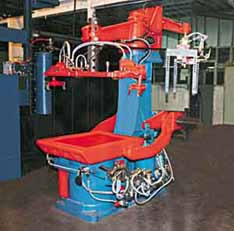
A fresh year is the perfect time to hit reset and take stock of your foundry equipment. Molding machines work hard all year, so starting January with a review and update of your systems is one of the smartest ways to keep production smooth. Machines that are clean, aligned, and upgraded will always outperform ones that have been ignored for months.
Even small hiccups like timing delays or uneven mold finishes can throw off production or damage workflows down the line. That’s why a good New Year update sets the tone for strong output and reliable performance. Whether you rely on manual molding machines or automatic matchplate systems, taking the time now to get them ready for the year saves time, money, and frustration later.
Why Regular Updates Are Necessary
Foundry machines don’t get a break. They run through high temperatures, rough materials, and constant motion, all of which wear on parts over time. If you haven’t done a full review of your molding machines in a while, there’s a good chance they’re due for one. Updates aren’t just about fixing what’s broken. They’re about preventing problems before they start.
Here’s what can happen when updates are skipped:
– Delays from worn or misaligned components
– Reduced mold quality due to inconsistent compression or timing
– Unplanned downtime from part failures
– Higher operating costs from inefficiencies
– Safety risks from damaged or outdated safety systems
Regular updates help extend machine life and keep output consistent. They also help reduce stress on operators who often catch the brunt of poor performance. When machines run better, your teams run better too. Safety is another big reason why neglecting updates isn’t worth the risk. Features like guards or controls that worked fine last year might no longer meet your internal safety checks or today’s standards.
If one part of the system is lagging, it slowly pulls everything else down with it. Machines don’t get better with age unless they’re taken care of. A well-timed update early in the year puts you in control, instead of waiting for problems to force your hand.
Steps to Update Your Molding Machine Systems
New Year updates don’t need to be complicated, but they do need to be thorough. A layered approach works well. Start with a full system check and move to upgrades and improvements after that.
Here’s a simple update plan you can follow:
1. Assess performance
Begin by reviewing how your machines performed last year. Were there repeated problems? Is production speed or quality slipping? Get feedback from operators who use the machine every day.
2. Perform maintenance checks
Look over basic wear points like belts, pins, guides, and alignment marks. Clean out old material buildup and inspect if any replacements are due.
3. Apply upgrades
If your machines support software or control upgrades, install those now. Review options to add automation or sensors that can monitor performance in real time.
4. Train staff
If anything new was added, like upgraded safety features or a new process step, walk the team through how to use it. Even the best upgrades fail if no one knows how they work.
This yearly reset doesn’t have to slow down operations. Many shops schedule updates during planned downtime or stagger machine updates to keep production running. The goal is to make steady improvements without disruptions. Once the basics are handled, you can explore newer tech options that might bring better results with less effort.
Notable Features to Consider in 2026
Every year brings new advances in molding machine tech, and 2026 is no different. If you’re considering upgrades, now is a good time to pay attention to what’s new and worth your time. You don’t need to overhaul your operation, but staying current keeps production smooth and reduces downtime caused by outdated components.
For foundries using automatic matchplate molding systems, look for machines with better control systems, remote diagnostics, or more energy-efficient functions. Accurate mold compaction and tight cycle control are two areas where a small upgrade can go a long way. If you’re using Savelli automatic tight flask molding solutions, supporting software updates or touchscreen interfaces may be worth exploring too.
Manual molding operations also benefit from newer hardware, like easier-to-adjust squeeze heads or frames designed for faster leveling. Osborn matchplate units, while proven, should still be checked for compatibility with newer tools or safety add-ons. Where practical, adding sensor feedback can help track performance without slowing your crew down.
If you’ve been thinking about how to scale up or reduce manual strain, start looking into optional automation add-ons instead of a full equipment swap. A good example is upgrading your core machine station rather than replacing the whole cell. Small footprint equipment like the 3-IN-1 or QuickCore units can also support projects with fast turnaround needs.
What you invest in should come down to how much it improves cycle time, reduces scrap rates, or supports consistent mold quality. Don’t just chase the latest buzz. Focus on real upgrades operators will use and that will make your process easier to manage year-round.
Planning for Future Updates and Maintenance
One of the biggest reasons shops struggle with machine reliability is poor planning. Once the New Year updates are done, take some time to build a forward-looking plan for the months ahead. It doesn’t have to be complicated. A working calendar with quarterly reviews and some set dates for tune-ups is often enough.
Here are a few ideas to keep things simple and effective:
– Set monthly inspections for wear-prone items, especially guide pins, hydraulic hoses, and control valves
– Track cycle counts on all molding lines, not just when issues pop up
– Clean and inspect core boxes with each shift changeover or mold swap
– Keep a rolling inventory of parts most likely to fail and restock before lead times become a problem
– Mark equipment downtime on your calendar and treat it as non-negotiable to give machines and teams the reset they need
– Create a worksheet or basic checklist customized per machine to make inspections quick and consistent
Maintenance planning isn’t just about avoiding breakdowns. It also gives your operators a better handle on what’s normal for a machine so they can spot changes faster. When left unchecked, small problems turn into bigger fixes. A good maintenance schedule can also avoid panic spending when something goes wrong and downtime becomes urgent.
If budget is tight, pick the machines that run the most hours and put them at the top of your maintenance list. Those carry the most risk and the highest repair costs if something fails without warning.
Getting Ahead This Year with Stronger Equipment
There’s a lot that goes into running foundry production lines at a consistent pace. Staying ahead begins with regular checks, smart updates, and being honest about what parts of your operation need support. Whether you’re working with a few manual molding machines or larger-scale automatic systems, taking time now to tune them up prepares you for smoother months ahead.
Waiting until something breaks often ends in lost time, late jobs, and expensive rush parts. A small issue like a misaligned matchplate or slow cylinder might seem minor at first, but these problems multiply fast when you’re running full orders through older systems. The shops that keep their schedules steady are usually the ones that build maintenance into their calendar and invest in their crews’ understanding of how their machines work.
By using the start of the year to reset and spot improvements, you’ll save more than time. You’ll also extend equipment lifespan, build operator confidence, and keep your casting quality where it needs to be. Take the opportunity now to get ahead, rather than scramble when things go off track.
Refresh your foundry operations with cutting-edge solutions tailored for your needs. Explore the benefits of integrating updated molding machines and see how they can enhance efficiency and reliability. At EMI, we’re committed to supporting you with the latest technologies to maintain top-tier casting performance.