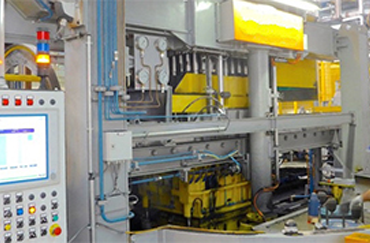
Molding Machines and Airflow: What Changes in Spring
Spring doesn’t always march in loudly on the foundry floor. Sometimes it’s the small shifts, the way air starts moving differently, the quiet swap in humidity, the draft through a door that was tightly shut in January, that cause the biggest impact. While we tend to pay close attention to our molding machines and their output, we sometimes forget how much those machines rely on stable airflow to operate smoothly. When the seasons start changing, airflow changes with them, often throwing off the simplicity we’ve built into everyday casting.
Consistent airflow supports cycle timing and mold surface finish. Without it, even well-tuned machines can start behaving differently. Gassing stages may drift, part lines might start showing extra flash, or you start cleaning vents more often than usual. What’s happening isn’t always mechanical. It’s the environment shifting around the machines, just enough to matter. When spring shows up, we watch not just the readings on the gauges, but the conditions in the room around them.
How Airflow Affects Molding Quality
Airflow and molding machines go hand in hand. From the way sand moves into the mold to how gases vent during cure, air needs to behave in a predictable way for the machines to do their job. Changes in direction or pressure can throw off flow patterns and affect how completely the cavity fills or vents.
We’ve seen how uneven airflow can:
- Interfere with how consistently sand packs into tight spaces, especially with manual matchplate setups
- Lead to soft spots or rough finishing along the parting line when ventilation isn’t clearing gas fully
- Increase the chance of flash or mismatch, particularly in machines sensitive to timing changes like automatic flaskless systems
Often, the first sign of trouble is subtle. Maybe the surface doesn’t come out as clean as the last few runs, or maybe you’re spending more time adjusting vents than you did a month ago. These are early signs that airflow isn’t working the way it should.
Seasonal Changes Foundries Should Anticipate
Once March rolls around, foundry conditions start changing along with the weather. Even if the tools and workflow stay the same, what comes in through the walls, vents, and open doors begins to shift.
From early March to late May, we tend to notice:
- A bump in indoor humidity, especially during warmer days
- Uneven swings in air temperature depending on the time of day
- Fluctuating airflow across different parts of the shop, sometimes steady in one corner, stagnant or drafty in another
These changes often show up when least expected. A machine that was steady in February starts showing slight issues in March, and no settings changed. When that happens, chances are good the building itself is reacting to spring.
Common Air Pattern Shifts Around Molding Areas
Spring doesn’t just change what’s in the air. It changes how air moves altogether. As outdoor temperatures rise, work habits tend to shift too. Doors might stay open longer, intake fans may overcompensate, or static pockets can settle in corners where fume buildup wasn’t a problem before.
We usually see:
- Drafts caused by nearby doors left open more often during break or equipment staging
- Crosscurrents between production zones as outside air moves through older vents or open bays
- Stale, still air near mold stations where movement used to keep fumes from collecting
When these patterns emerge, the clue isn’t always obvious. You just start cleaning more resin dust or notice soft cores where none showed up all winter.
Small Spring Adjustments That Help Keep Production Steady
Even simple shifts in temperature and airflow can have a real effect on performance. The good news is, most of the adjustments we make in early spring are low effort and don’t require shutting down operations.
What usually helps includes:
- Rotating or redirecting fans to help move new air currents up and away from mold lines
- Taking a few minutes each shift to check for dust accumulation and vent resistance near molding machines
- Updating machine calibration to match what’s happening now rather than waiting for changes in April or May
We’ve found that staying attentive to the airflow early in spring avoids bigger problems later. Often, a clogged vent or misaligned airflow is all that stands between steady cycles and an afternoon of part rejection.
What Better Air Movement Means for Throughput and Rework
When airflow gets back under control, results start to follow. Production steadies out, and those small adjustments made in March help avoid bigger issues piling up by April.
Better airflow usually leads to:
- Fewer short shots from trapped gas or weak mold fill
- Reduced flash and mismatch, especially in machines where pressure and cure timing are airflow-dependent
- Cleaner parts and less hand-finishing time spent correcting surface texture or sealing problems before the next cycle
Once that rhythm is restored, downtime shrinks and machine consistency goes right back to where we need it. We don’t always talk about airflow as a tuning knob, but in spring, it plays one of the biggest roles in keeping output strong.
Staying Ahead of Seasonal Mold Room Changes
Spring doesn’t bring big surprises all at once. It brings a slow drift. A little more warmth in the corner cell, a little more humidity hanging between shift change. But it stacks up. And if we’re not paying attention, so do the rejects, rework, and time spent figuring out what changed.
Every mold room will react a bit differently, depending on its layout, airflow systems, and proximity to outdoor access or fixed equipment. What we’ve learned is that watching those shifts at the same time we’re watching machine output helps us stay ready.
A mold line that runs well in spring has usually been walked early, with airflow patterns flagged before problems show up on the cast. That bit of awareness keeps us from overcorrecting when summer hits, because we already know what changed weeks ago.
Spring air can create unexpected changes in your casting results, so it’s smart to stay proactive about how airflow affects your equipment. At EMI, we know consistent performance depends on more than just settings, it’s about maintaining the right environment around your machines. By re-evaluating airflow near key workstations, you can keep operations steady throughout seasonal shifts. To see how different styles of molding machines respond to varying shop conditions, contact us. We’re here to talk through your observations and find adjustments that truly make an impact.