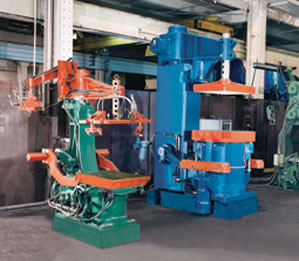
What to Expect When Running Osborn Machines in Late Winter
Running molding machines in late winter comes with its own set of patterns. When we talk about Osborn machines specifically, small changes in performance tend to show up more often at this point in the season than earlier in the winter. Some of these are subtle, like a slower clamp response or rougher mold closing. Others are more obvious, like fitment issues or timing drift during startup. These quirks are often tied directly to the daily temperature swings we see in February.
As weather starts shifting toward mild, our equipment moves through a different kind of stress, less about extreme cold and more about variance. That is where most of the challenges lie. We have seen how uneven warming can change how fast surfaces move or how smoothly clamps hold position. Knowing what to expect this time of year makes a big difference when we want to avoid rework or unplanned downtime.
Recognizing Late-Winter Wear Patterns
Late February brings constant back and forth between cold mornings and mild afternoons. That is enough to make metal components shift slightly even between shifts. Machines cool down overnight, then ramp up quickly early in the morning, which does not give parts time to settle evenly. Osborn matchplate setups tend to show specific wear patterns when this happens.
- Clamp force may become less even during the first few cycles, and parts might not seat as flush
- Nozzles may act up briefly before stabilizing, especially if there is moisture from condensation
- Indexing alignment can feel just slightly off, which creates a snowball effect as cycles repeat
We have learned to watch for these small shifts. The problem is not usually large scale failure, more like performance drift that catches us off guard. By late morning, machines are often back to normal. But some damage, like double pulls or stress lines, can already be done.
Late winter puts more pressure on operators to spot and interpret these small faults before they become recurring issues. Repeated deviations throughout a week signal when a more detailed inspection may be required. Sometimes, keeping a log of which shifts see unusual behavior helps pinpoint when and why patterns develop.
Impact on Manual Operators vs. Automated Setups
Not all molding machines respond the same way to the season end. For manual users, things tend to feel stickier at startup. Flask pulls do not always glide, and operator timing can fall out of sync when machines have sat idle.
- Manual setups need a warm-up to avoid binding or dragging early in the shift
- Older or less frequently used machines tend to react more slowly when restarting after a weekend
- Automated systems often manage clamp timing better, but release points or eject functions still show delay
When we rely on feel to confirm part fit or flask pressure, these small shifts in behavior show up fast. For automated gear, it may take more cycles before the issue becomes clear. One way or another, both setups show signs when late winter puts different kinds of strain on parts, sensors, and actuation.
Late in the season, operators who transition between manual and automated equipment might notice that subtle differences in equipment behavior affect their workflow. The way manual systems respond to changes is often quicker to spot by feel, whereas automated processes may only display issues after patterns develop across several cycles. Good operators notice these signs early and can adjust how they monitor or interact with different systems in response.
Common Adjustments Shops Make This Time of Year
We do not need to rebuild a machine just because it hesitates during the first few cycles. Late winter just calls for more focused pre-run adjustments. We have found that small tweaks reduce ongoing stress and keep machines consistent even with temperature bounce.
- Dry cycling at the beginning of a shift helps warm parts gradually and keeps early runs cleaner
- Inspecting flask guides and matchplate edges helps catch misalignment early before it produces scrap parts
- Using the right lubricants is key, some separate under temps that change from 30 to 60 degrees in a few hours
Shops already tracking production timing can usually spot where cycle irregularities start. It is often just a matter of recognizing which days show more variation and matching them to current temperature shifts. These checks do not take long. They just keep us off the back foot.
Opening machines for a brief inspection after major shifts in temperature, even for a minute or two, can make a big difference in catching early wear. Lubricants need to be checked since they can thicken or thin out quickly with fluctuating conditions. Freshly wiped guides and a small adjustment to cycle timing or clamp force often keep operations stable without extensive downtime.
Preparing for Spring While Avoiding Premature Changes
It is tempting to switch over to spring procedures early, but late winter still has sneaky cold snaps that set us back. If we start adjusting clamp force or timing parameters too soon, we risk overcompensating for what is still seasonal behavior.
- Hold off on ditching cold-temp processes until temperatures hold steady for at least a few weeks
- Track part shape or seam inconsistencies to tell the difference between worn tooling and quick temp reaction
- Do not overhaul settings for what might just be a two-day cold front
We play it safe by logging small part faults like edge burrs or ejection smudges. Those often stabilize as the machine comes back to a balanced cycle tempo. If the patterns hang around, we know we are dealing with real wear, not just a seasonal twitch.
If you make spring adjustments too early, you might undo preventative work you spent all winter refining. A careful approach is best. When temperatures are all over the place, logging the timing and causes of issues helps avoid unnecessary changes. Let the season level out before making permanent adjustments.
Better Starts, Fewer Adjustments
Osborn machines tend to adapt well as cold seasons shift out, but interference always creeps in when temperatures do not stay stable. That is why late February deserves its own approach, somewhere between winter prep and spring readiness. The key is treating delayed response like a signal, not a failure.
Watching clamp closure, eject speed, and mold seat during startup tells us more than any part scrap count. The more we adjust early with intention, the fewer changes we need later in the shift. Machines tend to reward consistency. Keeping early starts smooth gives us fewer holds mid-day and better part outcomes without having to chase every fault.
Proactive monitoring during temperature transition periods helps limit downtime. A little extra attention to how machines ramp up each shift will spot possible misalignment, hesitation, and surface changes before they require larger fixes. Early checks mean later cycles are more reliable, translating to steadier production with fewer interruptions.
Late-season changes can have your operation second-guessing clamp timing or part release, making it a good time to take a closer look at your current setup. We have helped shops using both manual and automated systems, and regardless of the configuration, successful cold-weather recovery requires expert fine tuning. If you are noticing more than minor shifts, understanding the behavior of different molding machines can help identify repeat concerns before they cause delays. At EMI, we can help you determine whether adjustments should wait or if they may reveal something deeper. Contact us today to start the conversation.