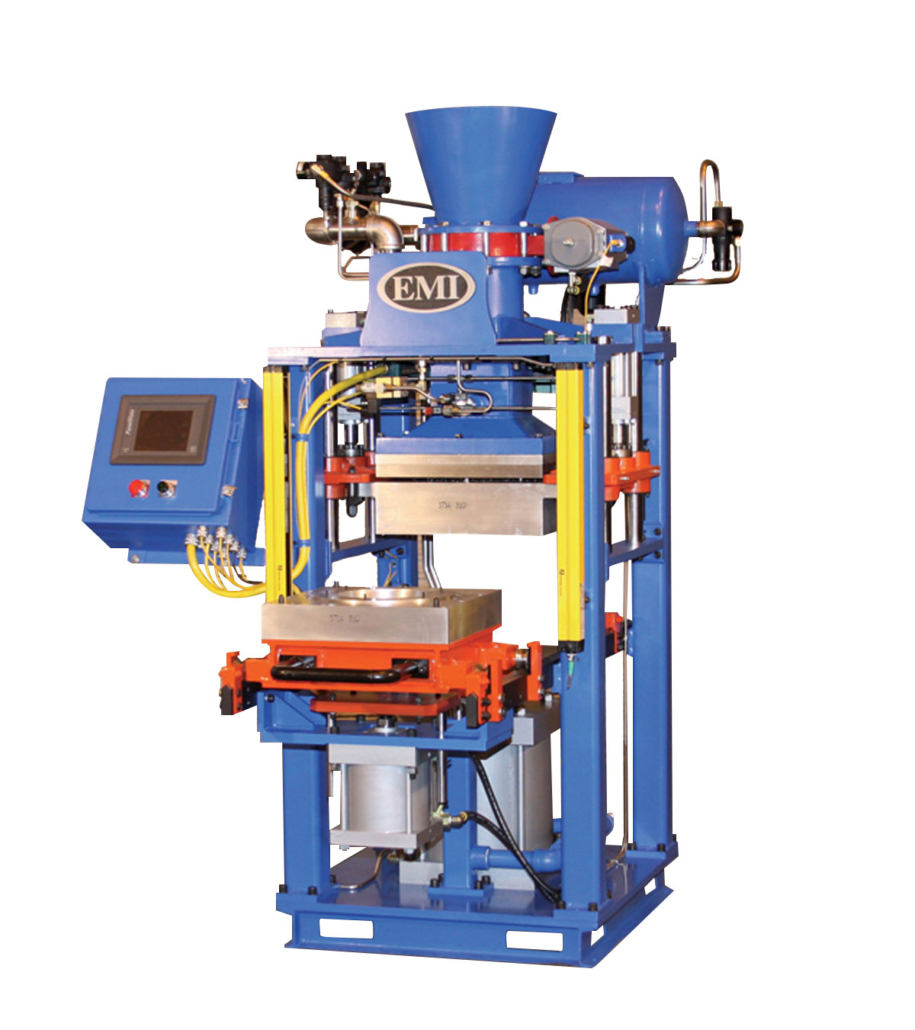
What Core Machine Settings Should Be Checked in Cold Months
Colder shifts hit machinery harder than warm ones. Anyone running core machines through winter knows how cycles do not feel the same when the shop floor holds a morning chill. Timing gets off, air systems drag, and parts stick where they did not a month ago. Those are not signs of breakdowns, just clues that the settings need seasonal adjustments.
Running without looking at pressure levels or heat-up cycles might work in September, but it slows things down by February. These machines depend on temperature balance, clean airflow, and steady motion. When one of those drifts, even by a bit, quality takes the hit. Here is a look at which settings are most affected during the season and where we focus when temperatures drop and stay low.
Air System Settings That Need Adjustment
Air behaves differently in the cold. It is thicker, picks up moisture faster, and does not flow at the same pace. That is why we always start with our shop air setup.
- We reset pressure regulators to handle the heavier, slower-moving air. Lower shop temps can spike condensation, so line pressure that worked in the fall no longer cuts it.
- Blow event timing needs review. If the air path to the core box lags, fill times get uneven, and venting suffers. Adjusting timing just a little helps restore even cure and clean strip.
- Moisture traps collect water faster overnight. We drain more often through winter, especially before first shift. A missed drain can freeze lines or gum up fine control valves by mid-morning.
Paying attention to these areas might not boost speed, but it stops the cycle drifts that drag things backward for the whole shift.
Warm-Up Cycles and Core Box Temperature Checks
Warm-up time is not wasted time during cold months. Metal does not expand evenly if the heat-up is rushed, and that is where we start seeing flashing and sticking.
- We run unloaded warm-up cycles ahead of each shift to give core boxes time to expand slowly. It sounds simple, but a few minutes here help parts come out right from the start.
- We check both halves for temp balance. Core boxes can heat unevenly if one side gets more air or sits closer to a heater. A few degrees off creates uneven strip, especially in fast setups.
- We log how long each machine takes to warm fully. Some boxes cool faster between cycles than others. Recognizing that helps us keep resin cures consistent throughout the day, especially when machines do not run back-to-back.
Cold affects heat retention too. Even once things are up to temp, small drafts or cold floors can bring them back down faster than expected.
Fluid Systems and Motion Components
Fluids thicken in colder air. That includes grease, oil, and even some cured blends. Movement slows and pressure builds in places it did not before.
- We switch to cold-temp rated lubricants during late fall and keep them in until well into spring. That way, start-of-day lags do not turn into mid-cycle slips.
- Hydraulic actuators get checked for sluggish response on first use. Those initial strokes should be full and responsive. If they lean or hesitate, we pull them for inspection.
- Motion cycles that look rough usually point back to clamp pressure and actuator travel. Starting cold means these settings need more hands-on checks. Waiting for automation to catch the problem costs more time in rejects or rework.
Everything runs better when motion is smooth from cycle one. Cold-weather prep just makes sure it stays that way.
Program and Sensor Calibrations
Control systems do not like the cold either. Timing, reads, and cycle logic can all drift if sensors or settings are not updated for the seasonal lag.
- Sensor delay settings often need adjusting. If reads come too fast or too slow, core alignment can misfire. That is especially true for temperature sensors that expect a certain startup point.
- We check every auto logic program linked to warm-up. If warm phases extend longer in winter, overlapping steps may cause resets or misreads.
- Limit switches, timing triggers, and edge sensors can all act off when cold air lingers around panels. We give them more attention in colder months, especially near bay doors or anywhere the morning frost hangs around too long.
Touchpoints between code and machine get more sensitive this time of year. A small lag or false read during startup can carry into actual production without much warning.
Mechanical Alignments That Drift in Winter
Nothing shrinks more predictably than metal exposed to freezing air. Over time, those small changes add up.
- We start with ejector pins and guide rods. Cold causes tight parts to pull in just enough to mess up return or pin height. A light drag turns into binding fast if it is not caught early.
- On dual systems, strip timing between sides can drift. Slight shrinkage on one side throws off pacing and leads to partial fills or skipped cycles. Keeping things checked every few weeks helps.
- Areas near outside walls or big doors always wear down faster in cold. We inspect machines placed in these spots for uneven wear, especially where metal meets concrete or open air.
Machines work harder when alignment slips, even if the numbers do not show it at first. The easiest way to cut winter downtime is to keep everything square when the cold snaps.
Keep Cold Weather from Slowing You Down
We get more out of winter cycles when we watch for early shifts in pressure, temperature, and timing. Time spent upfront checking common cold-weather trouble spots beats hours lost trying to fix mid-shift surprises.
Air setup, warm-up cycles, fluid performance, sensor timing, and physical alignment all carry more risk during colder months. But with steady hands and clear eyes on known weak spots, it is easier to keep production smooth. Adjusting core machine settings at the right time does not just fix problems, it keeps them from showing up in the first place. That is how we move through the season without falling behind.
When your operation experiences irregular cycle performance during the colder months, making precise adjustments to settings like vent timing, fluid flow, or clamp pressure is easier when your equipment is designed for flexibility. To keep production on track despite temperature swings, it helps to start with core systems that adapt efficiently. Learn how EMI’s range of core machines helps keep results consistent in any condition, and let us know if you have any questions.