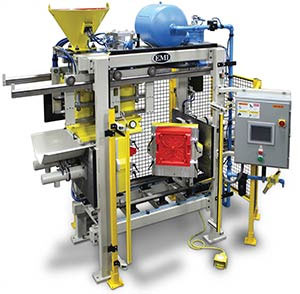
Breaking Down Hard Sand Flow in Core Machines by Season
By late February, we usually start to see one issue crop up more than others in core production: hard sand flow. That sluggish movement shows up when cold shop air settles in, humidity drops, and the sand mix changes without warning. When that happens, core machines do not behave quite the same from one shift to the next.
If no one is watching how sand behaves minute to minute, small problems grow fast. Core blow defects, vent issues, and uneven parting lines often trace back to how the sand moved, or did not, through delivery paths. With that in mind, we are taking a look at how hard sand flow changes throughout the year, and what operators can do to keep things stable from season to season.
Cold Weather and Sand Flow Resistance
Winter does not just make the floors colder. It dries out air and changes how resin-coated sand behaves. Sand that had good flow last fall might feel rigid now. That stiffness comes with higher friction and more resistance inside delivery tubes, hoses, or guns.
Here is what shows up most in colder conditions:
- Harder sand friction causes vent cavities to fill slower
- Core blow times go up as the machine tries to force stiff sand through paths
- Firmer mixes can bounce or pile inside boxes, leading to weak bonds
One step that helps is warming up the machine before the start of production. Giving the system time to build temperature gradually reduces sudden pressure changes. Airflow adjustments can also support smoother movement, especially when paired with small tweaks to sand inlet and purge timing.
As winter weather continues, operators often find that monitoring the sand’s response to changes in shop temperature can make a difference. Sometimes, the friction in delivery hoses means even small blockages need prompt attention. Taking a few minutes for a slight air pressure increase or changing how sand is staged overnight can help clear up slow-moving flow paths. In especially tight corners or delivery bends, colder air can cause sand to collect rather than move cleanly, which interrupts machine rhythm. Even if the difference from shift to shift is minor, that ripple can make consistent results harder to achieve in deep winter.
Spring Shift: Moisture Rebound and Sand Collapse
Spring brings warmer air and rising humidity levels, which changes everything again. Sand that was dry and stiff all winter starts pulling moisture from the air. Add that to the reclaim process, and sand begins to behave in unpredictable ways.
We have noticed a few trends when the seasons shift this way:
- Binders respond loosely when extra moisture returns
- Sand begins collapsing during purge if timing has not been readjusted
- Past winter changes might not hold up under the new shop climate
During this time, we adjust box temps more often and stay on top of purge duration. Too short, and vents underfill. Too long, and you risk collapse or distortion. The spring cycle does not correct itself. It takes clear adjustments to meet shifting moisture at the machine level. Catching that early helps avoid backlogs from off-spec cores.
As the season gets going, another consideration is how reclaimed sand is affected by climate swings. The blend that worked during last spring’s ramp-up might need a finer adjustment. We sometimes find the surface crust feels different as the inside of the sand supply bin settles at a new moisture balance. Older sand, if it has lingered, may react faster to moisture uptake, impacting how quickly box temperatures should be increased or how air flows through the delivery tubes. Overlooking these minor behaviors can turn a well-running press into a day-long troubleshooting session.
Summer Heat and Over-Compaction Risks
As we move through late spring into summer, ambient temperatures bring their own set of changes. Heat paired with humidity changes pressure behavior and slows venting. Sand that once crumbled under the right squeeze now compacts too easily. That tight bond might sound good, but it causes problems.
Here is how we see it work out:
- Sticky movement reduces flow, especially in tight delivery paths
- Resin reacts to shop heat, affecting setup speed and shape hold
- Vents trap more heat and struggle to release consistent air
We stick to a few habits here: Pre-check session pressures, verify the temp of reclaim rooms, and cool delivery lines during extended runs. These extra steps give us the best chance to push steady cores through seasonal heat. Without them, seams start showing earlier and scrap climbs.
The summer shift is also a test of patience for anyone running back-to-back production. As machines cycle rapidly, the heat from each operation adds up. This can make lines and hoses softer or even cause resin to cure faster than expected. Sometimes, a production day that starts steady will slow after lunch simply due to rising shop temperature. Regular observation of vent behavior and running brief interruptions for line cooling will maintain flow. Even opening a door or changing the location of sand storage within the shop can prevent unwanted compaction caused by temperature buildup.
Transitional Months: Fall and the Return of Variability
Fall might feel like a reset, but it is usually the most inconsistent stretch of the year. Nights turn cold while daytime heat lingers, making airflow patterns harder to predict. Sand stored in barns or hoppers holds on to late-summer heat, while reclaim sand reacts to fresh, cooler air.
The main signs we look for during this time include:
- Uneven reclaim mix from top to bottom in storage bins
- Air pressure changes affecting blow consistency across shifts
- Vent performance that varies wildly depending on time of day
Reclaim sand stored in heat-retaining barns takes longer to adjust to outside temperatures. That mismatch shows up in core quality and sometimes sneaks past early inspections. Fall is when we focus most on daily machine calibration. No two days run the same without it, especially when day and night cycles are on opposite ends of the spectrum.
Fall also makes us rethink how tightly we manage airflow, since colder nights can turn lines brittle, then daily sun heats up air inside the hoses and bins. Sand movement early in the morning might not match performance after a full day of cycling. Tracking hourly blow quality during the first few weeks of fall prevents surprises, and even simple recalibration routines, such as dialing back pressure for turndown periods, are worth the extra time. Since autumn usually stretches over a longer period of change, minor recalibrations need to happen more often.
Keeping Core Flow Stable Year-Round
Core machines work best when adjustments are made before the sand mix starts causing problems. Every season changes how sand flows, even if the change is subtle. As we track that behavior through the year, it helps us make faster corrections and avoid emergencies.
We keep an eye on how resin responds, how dense the sand gets under pressure, and how airflow handles changes in temperature or humidity. These small shifts do not feel like much daily, but they add up. When we stay in front of them, we spend less time backtracking and more time pushing clean, consistent cores. Temperature outside might bounce around, but performance does not have to.
Proactive adjustments are the steady link throughout each year no matter how severe the seasonal swings become. If each operator on a shift knows how to look for changes in sand texture or vent speed, downtime drops and machine output stays consistent. When we match timing for box cycles to the shifts in ambient temperature or seasonal humidity, even short-run jobs or tricky parts run more reliably. The biggest improvements usually come from training and sharing observations across teams, not just adjusting the machines themselves. Building these routines into regular maintenance creates confidence regardless of what the weather decides to do outside.
At EMI, we understand how real-time shop conditions impact casting results throughout the year. Seasonal changes do more than shift the temperature, they influence equipment performance and material behavior under varying pressures. From the tighter flow in winter to moisture-sensitive runs in spring, maintaining consistency means knowing how to fine-tune your settings. Our line of core machines is engineered for flexibility and reliability in every season. Connect with us to discuss your production goals and how we can support consistent results all year long.