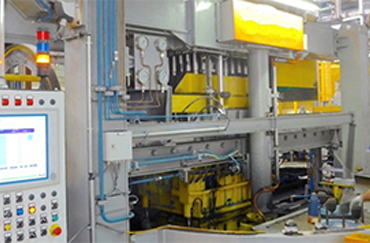
How Cold Starts Affect Molding Machine Alignment
Cold starts are a common part of winter operations, but they do not always show their impact right away. For shops running molding machines through the colder months, alignment issues are one of the first things to show up once temperatures drop. We have seen how even a short overnight stop can shift fitment between mold halves or throw off clamp pressure during the first few cycles. Most of this comes from metal contracting while a machine cools down, combining with internal force changes once everything kicks back on.
Misalignment might look like a small hiccup at first, but over the course of a shift or week, it can cost real time and parts. These are the moments where machines need a little more attention, not a full rebuild. Knowing how the cold season affects machine structure, motion, and sequence timing gives us more control and fewer rework headaches.
Understanding Alignment Drift During Cold Starts
When a machine cools overnight, metal shrinks bit by bit. That subtle pull can change the position of frames, clamps, or rails during alignment. As things heat back up, they do not always return to exactly where they left off. If alignment is not rechecked after these shifts, the mold may not close evenly, or moving parts could drag during motion.
Some of the most common misalignment issues tied to cold starts include:
- Mold halves not seating flush, which can lead to poor surface finish or flashing
- Clamp systems drifting slightly out of square and causing uneven squeeze
- Index positions shifting just enough to throw timing off during early cycles
These issues tend to surface at the same time each shift, right at startup. That pattern is the giveaway. Once a machine warms and runs for a bit, things often smooth out. But those first few cycles matter. Catching misalignment early avoids lost production before things settle.
Key Molding Components Most Affected by Cold
Not every part of a molding machine reacts the same way to cold. Certain components show more change than others when forced through cold-to-hot transitions every day.
- Guide pins and flask rails shrink slightly when cold, making early travel rougher or causing binding
- Clamp cylinders may react slower because of colder hydraulic fluid or extra air in the system
- Matchplates and mold halves lose a small amount of shape and take longer to reseat cleanly against one another
These small movement differences add up. Any machine with multiple sliding guides or return pins is more prone to changes when cycling from cold. Automatic systems with built-in sensors may still hold position well, but strain on moving parts is still present. Manual machines, especially those that rely on operator timing, tend to deviate more during cold shifts.
Shop air also plays a role. Lower temperatures can cause condensation in compressed air lines, which affects pneumatic response. If timed events rely on that air pressure, motion sequencing can be affected, and mold fit becomes less consistent.
Common Misalignment Patterns by Machine Type
Different machine setups show different cold-start behavior. We have picked up on the patterns after running many types across varied winter conditions.
- Manual molding machines often show binding or slower flask handling during first-use
- Osborn matchplate systems may have uneven mold mating until parts fully heat up and resettle
- Flaskless matchplate machines can shift timing enough to affect part ejection or blowoff
- Savelli tight flask molding systems, which rely on guided press-fit alignments, need a bit more warm-up to produce tight seams
Machines used for high-volume runs or continuous pouring are often better insulated, but that does not mean they are immune. If clamp draw or flask closure starts to vary a few millimeters in the morning, the gap shows up clearly by the time the pour hits them. Recognizing these early warning signs by machine type helps keep setups consistent.
Practical Adjustments to Improve Winter Starts
There is no need to guess which settings go off during cold starts. With a few focused adjustments, machines can run smoother right from the first cycle.
- Start each shift with a short warm-up phase, just a few dry cycles help everything expand gradually
- Check clamp pressure and guide travel once per week during colder stretches to catch settling or wear
- Use cold-temp rated lubricants during winter for better response from guide rods and actuator pins
- Pre-check alignment before first-use instead of waiting for a bad part to flag the issue
- Review automatic timing functions when air systems feel off, especially for blow-off or eject
These steps can be built into regular production checks without calling for full rebuilds. Realigning while still cold gives more accurate fits once the machine fully heats. And updating cycle tolerances for cold behavior helps slow-pressure systems maintain timing when actuation lags slightly.
Cold is not the problem, unpredictable changes across cycles are. The more we recognize cold behavior as part of the process, the easier it is to plan around.
When Production Quality Depends on Predictable Starts
Poor mold fit, irregular clamp closure, or slow response sensors all point back to one thing, alignment drift. During warmer months, machines might tolerate small shifts. But in late winter, when metal is still reacting to wider temperature swings, those same shifts wear down timing and part control fast.
The fix does not have to be big. A few extra minutes spent running warm-up cycles or realigning before active use pays off in cleaner seams, fewer scratches or flash lines, and steadier cycle rate. Machines like consistency. We get better output when we respect what happens during downtime and start each shift with system checks made for cold operations. Small effort, better results.
Cold weather can impact part consistency and mold fit, making it important to assess your current equipment for optimal performance. At EMI, we have experience supporting foundries through temperature fluctuations, ensuring cycle timing and stability remain reliable. Whether you are working with new patterns or maintaining older equipment, having the right machine fit is important to steady alignment. See our full range of molding machines and contact us to discuss the best options for your operation. We are ready to help keep your setups running clean and efficient no matter the season.