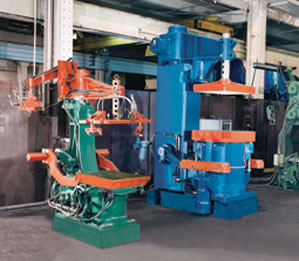
Manual Molding Adjustments That Help in Late Winter
Late winter takes its toll on foundry floors, especially when machines are still starting cold each morning. Manual setups feel it the most. Parts take longer to warm, surfaces don’t settle back into place as quickly, and operators have to work harder just to keep cycles consistent.
This is the time of year when small tweaks to how we run and maintain molding machines can make a real difference. Fit and function shift more than most realize, and what worked well in October may now be just slightly off. Staying productive through the last few cold weeks means adjusting in simple, useful ways. Here’s how we approach manual molding adjustments that actually help when winter won’t quit.
Spotting Common Late-Winter Wear Patterns
Anyone working with molding machines knows that cold metal moves differently. In late winter, there’s often more condensed moisture in the shop air and longer warm-up times, both of which change how things behave in the first part of a shift.
- Return pins and guide rods tend to shrink slightly when cold, making travel feel stiffer or misaligned until warmed
- Clamp seating may loosen lightly overnight, showing up as gaps or uneven tension when flasks are first locked in
- Manual flask movement may “drag” more than usual, making it harder to lift or swing parts without extra force
Even small signs like tighter motion, soft scraping sounds, or uneven part surfaces can point to cold weather distortion. If flash lines show up more during morning cycles than in the afternoon, chances are something shifted with temperature. It’s not always a mechanical failure, just metal reacting to the season.
Working in late winter often reveals patterns that only come with repeated exposure to the cycles of freeze and thaw. An operator who tracks how machines behave over time can usually spot the difference between a random glitch and a true cold-weather effect. Most high-usage pins and guide rods shrink just enough in the cold that they require closer inspection, not just rushed lubrication. Looking for uneven clamp tension and checking for a slight gap before lock-in can help stop more severe problems from developing during prolonged shifts. Even a slight “drag” can be your early warning sign that it’s time for a closer look at your manual mold equipment.
Every so often, operators may overlook early wear simply because it doesn’t set off any alarms right away. A morning pass over the machines, with attention given to pins and flasks, not only warms things up but also gives workers a chance to catch troubles before they come up during the busy hours. Cold season means crews should be especially watchful for hints like a new vibration, an unfamiliar sound, or a pattern in part defects tied to how the equipment settles as temperatures fluctuate.
Warm-Up Strategies for Manual Molding Machines
Starting fresh each shift without a warm-up plan slows down the whole process. Winter doesn’t offer a pass on deadlines, so a few proactive moves can save time later in the day.
- A short set of dry cycles at the beginning of a cold shift helps parts settle into their usual motion again
- Taking a minute to tighten flask, cope, and drag hardware reduces the chance of mold halves not seating flush
- If manual stations seem out of rhythm, adjusting delay between cycle steps helps operators keep flow smooth even when machines feel off
We don’t need a long prep process. Just recognizing what gets colder and moves slower gives us enough to plan startup time better. This keeps production consistent whether it’s the first hour or the last pour of the day.
A simple dry cycle is often underestimated but can be one of the most valuable warm-up routines for a manual machine crew. These dry runs don’t add wear. Instead, they help uncover whether a joint or moving part is stiffer than usual, or if something else needs a closer look before real work starts. Regularly tightening the flask hardware, cope, and drag ensures they stay flush and secure, even as temperature swings try to shift them out of place. Sometimes what feels like a minor delay in the first mold of the morning is a clue to adjust how the whole shift will run.
If manual operations appear out of sync, small timing tweaks can make a difference. Shaving seconds off a cycle step, or slowing it briefly, often helps build a more manageable rhythm. These changes are easily adjusted as the machine and tools warm up, and allow staff to find an efficient flow despite cold metal and chilly air.
Picking the right interval for these tweaks means listening to operators’ feedback and watching for subtle variations in mold finishes. By making warm-up adjustments part of the regular process, the team stays ahead of trouble, and productivity holds steady on even the coldest days.
Small Alignment Tweaks with Big Payoff
Most real trouble begins where small shifts cause big results. A slightly crooked clamp or a misaligned core box surface won’t always be obvious until we’re stacking scrap parts later. That’s why we look for physical cues early.
- Use scratch marks, wear patterns, or existing guides to check clamp squareness before first production molds go in
- After lock-up, run your hand along mold seams, uneven squeeze can usually be felt before it’s seen
- If mold halves or cores shift mid-cycle, take a look at flask rails and check for loosened mounts, worn pins, or pin guides tightened too late
These aren’t deep fixes. The goal is to improve alignment while everything is still cold. Machines tend to settle into shape, so any tweak we make early helps hold form through the full shift.
It’s much easier to keep everything consistent when you check for alignment early in the shift, while the cold is still shaping the machine metal. Noticing a scratch or a new pattern on a common wear surface can guide where checks are needed. Often, just running a hand along a mold seam at the start of the day helps spot a weak squeeze or early misalignment that would otherwise be missed. Since the winter chill exaggerates any out-of-square hardware or worn rails, an early correction helps avoid later scrap and rework.
When machines are running cold, even a tiny misplacement or uneven tension can quickly get worse as the shift continues. This is why daily habit includes inspecting clamp and pin guides, giving particular attention after the machine has been idle in a cold shop. The environment asks for more vigilance and careful touch, especially during late winter.
Lubrication, Air, and Tool Handling in Cold Temps
Any machine system that moves, lifts, or blows can be affected by cold. Compressed air at lower temps builds condensation. Lubricants thicken or dry back without enough movement. Even hand tools feel different at 30 degrees than they do at 70.
- Use cold-rated lubricants that stay fluid even when parts are left idle overnight
- Crack air lines open briefly at the start of the shift to blow out any water buildup or ice
- Avoid storing core tools too close to unheated walls or near open doors, they’ll handle better when not metal-cold
Manual molds don’t have the luxury of automated sensors or closed systems. When the tool relies on timing, feel, and operator awareness, everything from oil thickness to cold-air blow-off can make or break the first few cycles of the day.
Every task gets a little harder if the wrong lubricant is in use. Cold-rated lubricants help every moving piece start without extra friction, and help maintain smooth motion through the entire shift. When left idle overnight, machines with the right lubricant in place respond much better the next morning.
Operators should also pay attention to air lines. Letting them blow out briefly at shift start can get rid of any condensation or trace ice that would otherwise affect air tools or parts movement. Where possible, move tools further from unheated walls or open loading areas, handling improves when tools are not freezing cold at the start. Small moves like these help minimize small snags and boost the efficiency of early cycles.
After beginning routines, the team can monitor how everything is behaving in real time. If a tool still feels slow to move or a joint isn’t as smooth as expected, these are clues to adjust storage or maintenance habits for the next cold spell.
Staying Productive Through the Final Stretch of Winter
Late winter brings more mix between warm days and freezing nights. That makes machines expand and contract a little more wildly, which throws off the balance we’ve built up over the season. But that doesn’t mean we need full rebuilds or downtime.
- Adjusting clamp alignment and rail settings in the morning reduces scrap through the rest of the shift
- Cold-flash and rough mold joins often clean up once dry cycles run and parts fully settle
- Keeping an eye on air pressure, oil thickness, and manual drag at first use helps avoid bigger problems that build over time
Molding machines need rhythm. With small checks built into our morning routine, we keep things steady right until spring lands. Cold doesn’t stop production, but ignoring its patterns slows everything down. A few early moves keep the rest of the cycle on time.
Routine adjustment during late winter is not about large repairs. Instead, success in the final weeks before spring comes down to the smaller efforts, those alignment tweaks, daily checks, and making smart choices with lubricants or air systems. The goal is to carry steady productivity across the gap from deep winter into spring, where conditions improve and cycles become smoother.
Every shift run in the cold season is another chance to see how the machine responds to changing temperature and humidity. The best operators spot repeated issues before they turn into downtime, by building habits that focus on early signs, not just waiting for obvious breakdowns.
Cold season adjustments becoming part of your regular molding routine can indicate it’s time to assess how your manual systems are performing long term. Subtle misalignments, seasonal drag, and changes in tool response often suggest your setup deserves a closer look. We know that running leaner depends on equipment you can trust to perform under changing conditions. Explore our molding machines to discover how your operation could benefit, and reach out to EMI today to discuss what you’re experiencing on your floor.