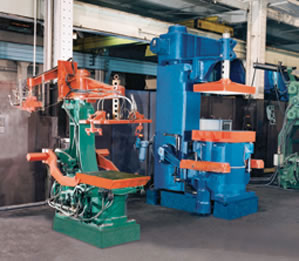
Why Sand Compaction Gets Harder for Molding Machines in Winter
When the cold settles in after the holidays, many foundries notice a drop in production speed. It’s not always about manpower or planning. Often, sand compaction starts to act differently, and that throws off the entire workflow. Molding machines tend to feel the effects first since they rely on sand performance and tight timing to hold quality.
That can spell trouble for January and February schedules. What worked well at the end of fall may suddenly slow down or need more hands-on adjustment. And since output is often gearing back up after break periods, the timing couldn’t be worse. Knowing how cold affects sand behavior and equipment can help us get ahead of these issues before they pile up.
How Temperature Impacts Compaction
Cold sand is harder to work with. That’s something most of us have felt firsthand. It resists movement in hoppers, flows slower into the flask, and doesn’t always fill edges cleanly. By the time the press engages, there can already be inconsistencies that affect surface finish or edge strength.
A few common cold-season problems include:
- Slower sand flow at startup, especially when bins haven’t fully warmed
- Lower moisture mobility, which leads to dry pockets and brittle edges
- More difficulty achieving full compression in corners or deep-set patterns
Ambient shop temperatures have a big influence here. Even if sand is warmed before entering machines, colder line temperature can cause uneven settings across cope and drag. Without tightly controlled prep, that mismatch can show up later in cracks or shifts after stripping.
To keep operations consistently on track, we often monitor not only the sand temperature but also how it is distributed through storage and feed systems each morning. Watching for cold spots or bridges inside bins becomes part of our routine. It’s not uncommon to see uneven compaction result from just a few degrees of difference in sand temperature across a loader bucket or a conveyor run.
Machine Components That React to Cold
Inside the machines themselves, winter brings its own set of changes. Molding machines have moving parts that often rely on air or oil pressure, and both behave differently when the temperature drops. Hydraulic systems, in particular, may lag at startup, especially if they’re not kept at running temperature overnight.
We usually check the following when shifts start slow:
- Cylinders or actuators that hesitate or return unevenly
- Pressure builds that take longer than usual to reach operating level
- Valve delays that weren’t present during warmer months
- Sensors or timers drifting just enough to throw off pattern timing
Even slight timing offsets between fill, compact, and strip can add up to lower mold quality. And if a mismatch isn’t caught early, the next few cycles can compound the problem.
The winter months also increase the chance of leaks or pressure drops because of gasket shrinkage or changes in viscosity for fluids. Added friction in guides or ways might hide in plain sight, only showing up as a tiny lag, but these details matter when chasing consistent cycle time. Early identification of these trends makes preventive action much easier.
Winter Setup Adjustments That Can Help
While we can’t change the weather, we can adjust how we prep for it. A few small changes to daily routines in January can go a long way when machines feel sluggish or uneven. Most of our tweaks center on prep, warm-up, or early shift checks.
Here’s what makes a difference on our floor:
- Let sand condition longer before the first mold of the day
- Use blend ratios that are better for cold weather flow and compression
- Shorten the time between feed and press to minimize cooling delay
- Add insulation to resin tanks or warm air feeds to avoid thickening
- Check pneumatic lines for cold-induced leaks or ice risks
Leaving time for a quicker walk-through before the first full run helps too. It gives us a better shot at catching issues before the line stops or early molds need repeat correction.
Even the way operators start and stop equipment can matter in bigger temperature swings. For instance, giving extra minutes of idle run to compressors and pumps before moving sand or clamping tooling helps parts come up to temperature. Adjusting machine sequencing, even slightly, can stop knock-on effects from growing across the shift.
Output Strain on Older or Manual Machines
Not all molding machines handle winter the same. Older setups, especially manual or semi-automatic presses, often feel the strain earlier. That’s usually where we see uneven fills or rebound in compressed molds before the pattern can be released cleanly.
Cold-cycle issues we run into here usually involve:
- Longer press times that don’t quite give more compaction, just more lag
- Trapped air or backflow because sand didn’t fill in well under pressure
- Tighter drag patterns affected by dry corners or stiff mechanical travel
These kinds of problems typically don’t show up right away. It’s not until cleanup or casting review that we realize something went wrong earlier in the cycle. That puts extra load on downstream work and eats into shift time needed for normal runs.
Some older machines can adjust better with added warm-up checks, but many just require more hands-on attention during the colder months to stay on grade.
To help with these challenges, our experienced operators may adjust their approach from mold to mold. We are likely to make small changes in fill time or shakeout to keep things as uniform as possible, even when each cycle feels a bit different. Relying on close communication between shifts about which patterns or trays are slow can prevent bigger issues down the line.
Why Workflows Matter More in February
By February, most shops are back into their full production rhythm. That’s when compaction and mold timing have to stay locked in, or we risk a slowdown that affects more than one department. Core output and mold station timing need to stay in sync, or we end up with idle machines or backup that costs hours.
We watch for two main risks in later winter:
- Mold filling delays that leave cores waiting or misaligned
- Lower-quality starts that cause bottlenecks in finishing or repair
If one cycle loses its pace, it creates pressure for the next team to make up time. That rarely works out cleanly, and small problems that were tolerable in early January become bigger fast.
That’s why we try to catch and address cold-related compaction problems early, so they don’t slow down every shift before spring.
Successfully working through February with minimal downtime often depends on refined checklists and direct feedback from operators. Keeping a close eye on molds produced at the start of a shift or after significant temperature drops can help catch problems before they become routine. Teams that meet briefly at shift change to discuss recent cycle quality can spot trends earlier.
Consistent Mold Quality Through Cold Weather
Winter brings a tough set of conditions for molding machines, but they’re not impossible to work through. Cold sand moves differently, machines react slower, and timing takes a hit, especially in older press-style setups. But with good prep, minor schedule tweaks, and extra attention to early runs, we can avoid most of the hidden delays.
Knowing how each piece of our equipment handles the cold gives us a better shot at keeping quality consistent, even when winter lingers. Keeping compaction tight now helps everything stay cleaner, clearer, and more predictable as spring demand kicks in.
Tracking changes through daily notes, photos, or shared logs helps everyone maintain awareness. Teams that document unusual cycle times or change their prep routines in response to cold snaps also support future planning, making each winter more manageable than the last.
Cold weather challenges don’t have to slow down your production when you know what to watch for. If mold setups are taking longer or surface finish is inconsistent, it may be time to reassess how your equipment is handling seasonal changes. Shops running older presses or manual setups often see improved results by upgrading to the latest molding machines designed for dependable performance, even in tough conditions. We are here to help you find the right solutions to keep your operations running smoothly all winter.