What Makes Cold Box Core Machines Handle Frigid Temps
When cold weather settles in, some machines just don’t want to cooperate. Startups drag. Systems stall. For foundries that operate through winter, that can put pressure on the entire line. But many cold box core machines don’t have those issues. They fire up reliably, cycle smoothly, and keep up production even when it’s freezing outside. That doesn’t happen by accident.
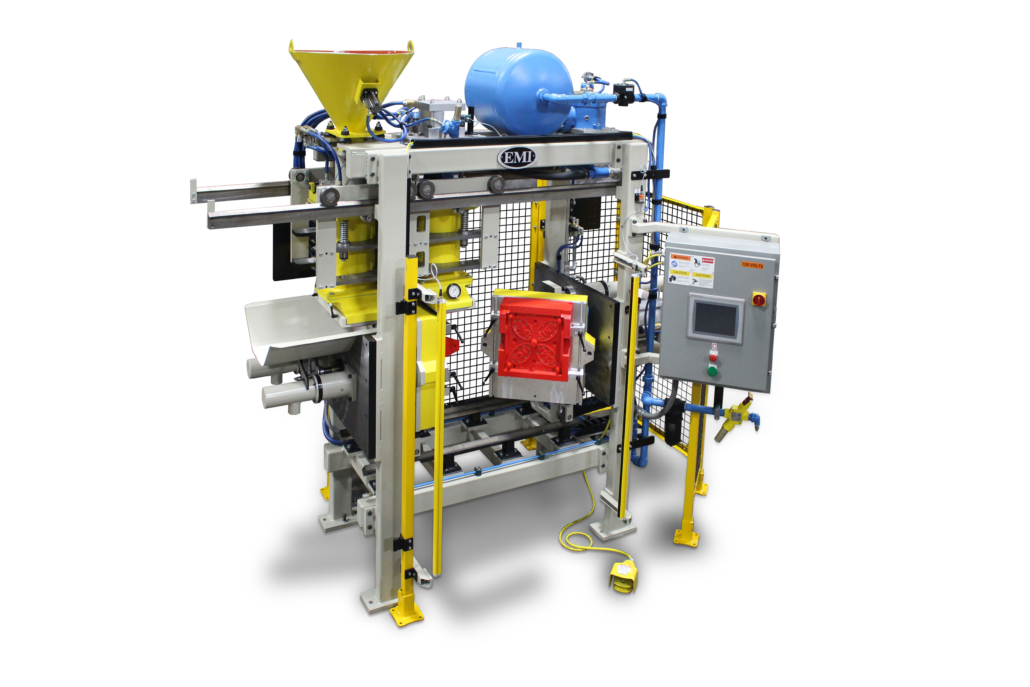
These machines are built with winter in mind. Whether it’s a high-production model or something more compact, the parts that make these machines tick are set up to resist temperature drops from the inside out. That includes everything from materials and airflow paths to where the hoses sit and how the system handles resin.
Smart Machine Design That Reduces Cold Exposure
One of the easiest ways to protect a system from freezing conditions is to design it to avoid exposure in the first place. Cold box machines that do this well usually share a few specific features.
- Fully enclosed frames and blow chambers reduce temperature swings. Housing critical parts inside shields or covers helps slow down cooling during shutdowns or overnight waits.
- Some machines use vertically-parted core boxes or other self-contained setups that cycle quickly and don’t let materials sit idle for long.
- Placement of hoses, control panels, and other sensitive components near warmer zones of the machine also makes a difference. By keeping distance short between heat sources and moving parts, less warm-up time is needed before a shift gets underway.
These small layout shifts can save a lot of frustration when you’re dealing with single-digit mornings.
Controlled Heating Where It Matters Most
Even with great design, certain areas need a consistent heat source once winter hits. Luckily, many cold box systems have that covered.
- Blow systems may have internal heating that allows them to keep sand-catalyst blends from thickening or reacting too slowly. That means better shape retention and cleaner part formation when the fill is done.
- In dual station and 3-IN-1 machines, the structure itself adds some thermal hold. Once running, these units tend to stay warm through back-to-back cycles.
- Resins, catalysts, and air lines that operate at low flow during start-up are common problem spots. Keeping these parts above freezing with direct or indirect heat means fewer blockages and more reliable cycles.
We’ve seen that just a few degrees of retained warmth can be the difference between a full shift and a slow restart.
Build Materials That Withstand Freezing Conditions
A big factor in how cold box core machines handle frigid temps is the physical makeup of their parts. Some materials just won’t hold up during winter conditions unless they’re built for it.
- Non-brittle seals stop shrinkage and cracking that leads to air leaks or resin misfeeds.
- Reinforced box clamps and tight-tolerance connections keep things secure when metal contracts in the cold.
- Flexible, cold-rated hoses prevent breaks or stiff bends when drawing in air or material. If a machine uses standard tubing, that tubing can harden and split without warning.
QuickCore units and many high-volume machines use engineered components that stay stable at lower temps. These materials help movement stay consistent and lower the risk of freezing around fittings or mixers.
Consistent Air Supply With Reduced Moisture Impact
Cold doesn’t just slow down mechanics. It makes moisture harder to manage, and that can work its way into core machines fast if air supply isn’t regulated.
- Dry, filtered air is a must. Systems that start with dehumidified air reduce frost buildup in lines and valves.
- Airflow should be staged or balanced to avoid sudden bursts that can stir up cold spots or flash freeze the resin.
- Keeping airlines routed in protected paths, either under insulation or near warm zones, limits exposure to cold warehouse temps.
If moisture gets into a frozen valve or freezes inside a small orifice, you’re likely in for more than just a slow startup. It can shut a machine down until it thaws. That’s why airflow design is just as important as exterior build.
Maintenance Adjustments Operators Can Make for Winter
Machine design goes a long way, but day-to-day operation plays a role too. A few seasonal habit shifts by machine operators can improve cold starts and prevent downtime.
- Slightly increasing blow-off and flush wait times can help systems stabilize before shifting into full cycle mode.
- Daily checks are more necessary during winter. That means looking for lag during start-up, spotting valve hesitation, or noticing whether a sensor drops out for a few seconds when cold.
- Applying low-range heating tapes or just keeping tubing covered with wrap can keep resin lines from stiffening overnight.
By staying ahead of minor glitches, operators can keep cycles solid without overhauling their routines.
Built for Long Winters: Why Some Machines Just Run Better
Our Cold Box core machines offer fully automated core handling systems and advanced controls, supporting flexible operation and quick changeovers. Our engineering ensures equipment frames and assemblies are powder coated for resistance against extreme temperatures and environments often seen in the foundry industry. The wide selection of core machine types, including QuickCore, Dual Station, and 3-IN-1 models, enables foundries worldwide to choose solutions that maintain reliable performance even during long winter stretches.
What sets core machines apart in winter is how they handle real, repeat exposure to cold. Units that don’t miss a beat when it’s been below freezing for days use a smart mix of protected parts, reliable heat retention, and durable materials. They don’t rely on workarounds or risky startup methods. Instead, they’re designed from the ground up to run through a full season without needing major changes between warm and cold months.
Optimizing your machine configuration, heating controls, and materials can make a real difference in winter performance and help you avoid downtime. We know firsthand that strong layouts, balanced thermal management, and effective airflow keep your line running smoothly no matter the season. Discover how our core machines are built for reliable, long-term performance. When your operation is ready for expert support, call EMI to discuss your next steps.