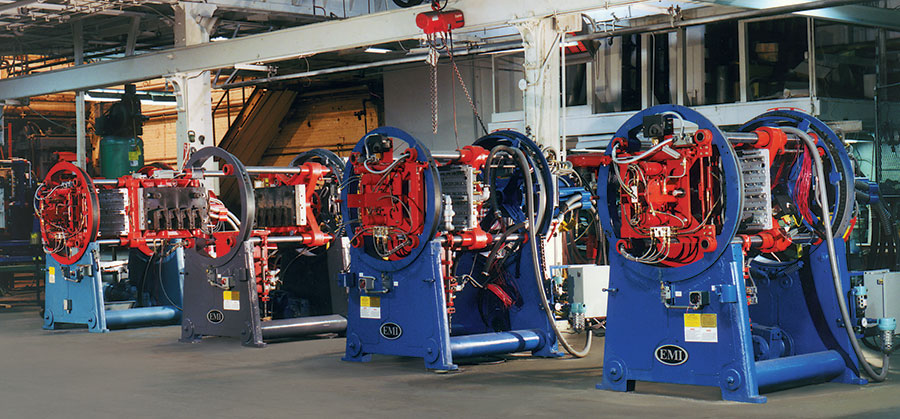
Ensuring Molding Machines Run Smoothly In The New Year
Flipping the calendar to January brings more than just a fresh start. For metal casters, it’s also a time to focus on equipment performance and make sure everything’s running like it should. Molding machines, in particular, deserve close attention after the holiday downtime. Spotting problems now helps prevent unplanned shutdowns later. Smooth-running machines mean fewer delays, reduced scrap, and better parts from the start.
Taking a few extra days at the beginning of the year to inspect your molding systems can save a lot of headaches. It’s not just about fixing what’s broken. It’s about setting the tone for reliable production. That means keeping machines clean, checking small components that wear out over time, and making sure your setup is dialed in properly. It might not be the most exciting task on the schedule, but it pays off once everything is back in full swing.
Post-Holiday Inspection: Getting Back on Track
Before getting machines back into full production, give them a once-over, or better yet, a thorough check. Holiday shutdowns allow sand, air, or moisture to settle in places you wouldn’t normally notice during operation. Starting up again without looking things over could lead to uneven molds, dropped cores, or worse, unplanned downtime.
Start with high-wear areas. These parts take daily abuse and are more likely to show early trouble:
1. Blow valves – leaks or sticking can lead to pressure issues
2. Sand delivery systems – look for clogged lines, worn gaskets, or signs of moisture buildup inside piping
3. Wear parts – guides, seals, and gaskets can distort or degrade over long breaks
Treat the inspection like a process, not a glance. Keep a notebook or digital record of what’s been checked and what needs attention. A few extra minutes capturing the condition of each area helps you track wear patterns and plan replacement schedules before failures happen.
If you’re working with a dual station cold box core machine, check for alignment between the lateral stations. Shifted hardware or loose clamps during downtime could affect fill quality. For vertically parted machines like the QuickCore, visually inspect pneumatic systems and check actuation speed under test conditions to catch weak pressure buildup.
Be sure to confirm that electrical controls are clean and safe to operate. Moisture sometimes creeps into panels over long holidays, especially in colder shops. Pull covers and take a look. If needed, blow out inside compartments with dry air and look for signs of corrosion or worn wiring.
It’s a good idea to walk through the inspection with your operators. They often notice weak spots or clunky behavior that doesn’t show up during test runs. Their input could lead you straight to an issue that doesn’t yet appear during visual inspection but is just starting to surface.
Essential Maintenance Tasks for Molding Machines
Once everything has been inspected, it’s time to go line by line through your machine maintenance checklist. Proper care now can stabilize performance and help extend equipment life through the next phase of the production schedule.
Start with cleaning hardened sand and binder residues from common trouble areas:
– Mold cavities – remove leftover deposits that can affect surface finish
– Vent holes – allow proper gas escape by cleaning and checking vent pins
– Ejector pins – examine for buildup or sticking
Next, make sure all moving parts are properly lubricated. This is especially important for machines that have been idle. Dried-up grease or low oil levels can quietly lead to scorched components and rattling action that snowballs into additional wear. Manual matchplate molding machines, in particular, benefit from hand-lubricated guide rods or toggle arms.
Don’t forget the control systems. These tend to get overlooked until there’s a bigger issue. Verify that limit switches are responsive and clean. Sensor brackets can come loose over time, especially if your machines weren’t fully powered down properly during the winter break. Tighten any loose terminals and test each switch under motion.
For automatic systems like the Savelli tight flask molding setups, diagnostic screens make it easier to spot sensor drift or timing inconsistencies. Use the onboard controls to walk through each cycle at low speed first. Watch for jerky transitions, slow stroke movement, or any misfires in the blow or fill stages.
Check your pneumatic lines, especially those tied into sand rams or compaction units. Leaks in the system may not be loud or obvious but can weaken every part of the process. Replace aging hoses that feel brittle or cracked. Then, test air pressure under live conditions and confirm consistency across cycles.
It’s always easier to patch up small problems now than to rush a repair when orders are backed up. Taking the time to run through simple maintenance can help you trust your machine when it matters most.
Updating Software and Calibration
Software updates often get pushed down the list, especially when production ramps back up quickly. But skipping them can lead to inconsistencies you won’t notice until parts come out wrong or the timing on your matchplate cycle starts drifting. At the start of the year, check every machine’s software version and log when the last update was installed. Even cold box core machines, like the 3-IN-1 or QuickCore setups, run cleaner and more predictably when their systems are up to date.
Firmware and control systems help manage cycle timing, sensor communication, and automated shutdowns. Without current updates, systems may lag, misread signals, or reset unexpectedly. If you’re working with automatic matchplate molding machines or dual station core machines, outdated coordination between components can slow down output or force your team to run more manual checks.
Recalibration matters just as much as the updates. Especially after a winter shutdown, sensors may shift slightly or lose precision. If you’re dealing with tight flask or vertically-horizontal parted core machines, even small misalignments can lead to inconsistent compaction, poor pattern fill, or rejects on the shakeout line.
Get your technical team involved in the recalibration process. They’re more likely to notice hiccups in sequence timing or mechanical delays that operators might miss. Walk through each stage, filling, compaction, stripping, and transfer, under dry run conditions before returning to full-speed production. Make a note of pressure tolerances, range settings, and the responsiveness of limit switches.
It’s also a good time to recheck machine offsets in your molding cell’s control system. Take one cold box core or mold setup as a test case. Adjust minor deltas and refit known parts to confirm repeatability. Doing so will help reduce scrapped molds and missed core fits during re-launch.
Training Staff for Optimal Maintenance
Machines only run as well as the people taking care of them. No matter how well-designed your core and molding setups are, daily habits affect long-term performance. That’s why early January is an ideal time to reinforce training and bring newer staff up to speed.
Here’s where to focus your efforts:
– Start with safety: Make sure staff knows how to lock out and tag out equipment before maintenance
– Revisit signal paths: Walk through the sensor response, air pressure checkpoints, and control panel resets so operators aren’t guessing during downtime
– Teach cleaning without shortcuts: Avoid risky shortcuts like high-pressure washing near sensor mounts or control panels
– Troubleshooting basics: Guide workers through error codes, odd cycles, and warning signs that valves or cylinders are weakening
– Consistency in lubrication: Show techs how different machines use different types or amounts of lubricant and the importance of sticking to those guidelines
It helps to create a short checklist for each machine type. A manual molding machine will have different tasks and risks than a fully automatic system. Someone running a prototype or manual core machine will notice wear differently than operators using a high-production, vertically-parted system.
Encourage feedback during training. If something’s hard to reach, unclear, or frequently forgotten, it probably needs a better solution or a higher spot on the checklist. Letting operators speak up now can improve daily routines and help lock in a regular maintenance rhythm across shifts.
Starting the Year Strong With Proper Care
Machines that start strong usually stay that way. A clean inspection, flushed pneumatic systems, fresh lubrication, and a check on software helps stabilize your entire operation early in the year. Adding structured maintenance into your daily and weekly schedule builds discipline across the team and the equipment benefits from it long term.
Keeping things in good shape means fewer surprise breakdowns and less scrap, but it also raises confidence between shifts. When everyone knows the system they’re working on is solid, they’re more likely to report small issues and help prevent bigger problems.
Small efforts in January often lead to larger rewards by June. Accurate cycle timing, cleaner molds, fewer machine-generated faults, they all add up. Investing now in training, calibration, and checkups sets the tone for reliable production runs and smoother pace throughout your workflow.
Routine touchpoints throughout the year also help avoid bottlenecks that sneak up during peak season. That means building a maintenance culture that doesn’t just respond to issues but works to stop them before they happen. Even the best-designed cold box core or automatic molding systems need eyes on them. Staying consistent keeps everything predictable. And predictable is a good way to kick off a productive year.
For those looking to ensure their operations are consistent, reliable, and efficient throughout the year, taking the time to maintain your molding machines can make all the difference. By keeping your systems updated and well-tended, you’re setting your business up for success. Learn more about optimizing your molding machines by exploring our comprehensive solutions. Let EMI be your partner in maintaining seamless production and quality outcomes.