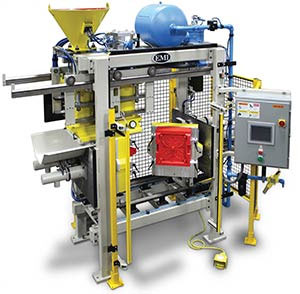
Winter Maintenance Strategies For Core Machines
Working through winter can test even the most reliable core machines. As temperatures drop, production teams start noticing more delays, uneven core curing, or buildup that wasn’t a problem during warmer seasons. These slowdowns may seem minor at first but tend to stack up quickly across shifts. If overlooked, they lead to costly repairs and schedule changes no one wants to deal with.
Core machine components, especially in cold box systems and dual station designs, react differently when conditions change. Air systems freeze up. Lubricants thicken. Blowers, sand mixers, and resin applications lose their rhythm. These aren’t just annoyances — they’re signs your system needs a bit more seasonal attention. Instead of waiting for emergency fixes, it’s smarter to stay ahead with a plan shaped for winter work.
Temperature Control In Core Machines
It’s harder to get consistent performance from cold box core machines when temperatures shift from one hour to the next. Variations in shop heat or exposure to colder ambient air can change the way machines cure, blow, and vent. That means even your most dependable systems, whether a QuickCore setup or a 3-IN-1, can throw off your results if they’re not kept within proper operating ranges.
When cold seeps in, the first issue usually shows up in the core curing process. Inside the tooling, resin doesn’t react the same when the metal box is nearly freezing. Sand can feel right, and pressure might seem normal, but the core exit time drags or shapes come out brittle. That’s before you even touch the controls. Without temperature consistency, process timing gets messy fast.
Here’s how to reduce those risks:
- Store core boxes in a climate-controlled area so they don’t cool to floor temp overnight
- Keep shop doors and loading bays closed during operations unless loading
- Add enclosed heating systems around blow chambers or specific tooling zones
- Let machines warm up slowly before the first cycle, especially after a weekend shutdown
- Monitor shop air and metal surface temps, not just thermostats
The broader your production range, the more this matters. High-production lines using vertically and horizontally parted tooling won’t tolerate big swings in operating conditions. A few degrees might not seem like much, but day-to-day shifts in tooling warmth can mean extra flash, poor stripping, or incomplete cures on large cores. A small heater or insulated wrap near a machine elbow could be the thing that keeps your cycle time steady all month.
Even manual or prototype core setups benefit when proper heat is kept over time. Metal doesn’t hold warmth on its own, and cold shop floors pull that heat out fast. Before problems even begin, the goal is to stop production slowdowns at their root—stabilizing heat and holding it, no matter what’s happening outside.
Lubrication And Hydraulic System Maintenance
Cold affects more than just resin and airflow. It messes with your fluids too. Lubricants that usually keep moving parts smooth can turn sticky in cold weather. That kind of slowdown bleeds into the way components engage, especially rotary motion, pistons, and shuttle moves in high-volume equipment.
Hydraulic systems suffer from a similar story. When fluid thickens, response times slow down and small leaks can worsen. In systems like the 3-IN-1 or Dual Station Cold Box machines, where synchronized timing matters, even a little restriction turns into poor cycle timing.
To stay on top of this, it helps to adjust how fluids are used and stored. Here’s a quick winter checklist to keep things reliable:
- Switch to cold-weather-friendly lubricants with lower viscosity, designed for precision parts
- Store fluid containers away from outside walls and floor areas where temperatures get low fast
- Check for uneven wear—even simple drag on columns or mismatched stroke timing can signal sluggish lubrication
- Change hydraulic filters if they show signs of slowing or clogging, since thicker oil picks up more debris
- Warm up systems gradually rather than running at full speed from the start
Even small machines, like manual core setups, can see improvement just by focusing on how smoothly components operate in the cold. Resistance from gears, dry shafts, or slow hopper gates isn’t always mechanical error—it might just be the wrong grease or fluid for the season.
Hydraulics in particular deserve daily attention in winter months. Monitoring line pressure, valve actuation speed, and temperature readings from system gauges gives early warnings before you’re dealing with full failure. Good lubrication and fluid prep doesn’t take long, but it pays off every time a shift runs without slowdown.
Managing Sand Moisture And Consistency
Colder warehouse temps don’t just affect machines—they affect the sand too. Even small shifts in moisture content or humidity in your sand system can throw core quality out of balance. In winter, heated air systems dry the sand quicker, while cold air keeps it damper for longer. Without adjustments, these swings can lead to cores that don’t cure properly or warp during handling.
For operations using systems like the Dual Station Cold Box or QuickCore setups, consistent sand behavior plays a big role in repeatability. A moisture spike or dip changes how the resin sticks and how gas flows through the mix. When sand is off, it doesn’t always show up on the first piece—it snowballs across the shift, leading to scrap or rework that eats into production time.
To adjust for what winter throws at your sand:
- Actively test incoming sand more often than you would during warmer months
- Make sure sand storage is protected from temperature swings and condensation
- Rotate sand stock regularly to prevent cold spots from building up at the bottom of storage bins
- If feasible, pre-heat or temper sand used in high-volume or sensitive production setups
- Consider updating blend formulas slightly to match current humidity conditions
Some shops also find that slightly adjusting the catalyst ratio or resin levels can help offset colder sand or air. While this isn’t always needed, experienced maintenance crews usually rely on a few tried-and-true winter settings that help smooth out core production from the first blow.
Humidity matters too. If the shop runs dry heat constantly, the sand can lose too much moisture too quickly. This causes it to break apart more easily inside tooling and won’t hold shape during stripping. On the flip side, poor air circulation can make things sticky, especially if vents and ducts aren’t cleaned out regularly.
For anyone running prototype molds or manual-core processes, these small details still matter. Even in slower or testing environments, uneven sand behavior causes inconsistencies that can’t always be explained at first glance. Dialing in this step helps avoid chasing down quality issues later on.
Operator Best Practices For Winter Conditions
Even with great equipment and solid prep, poor operating habits can undo the gains. Cold months call for a fresh look at how machine operators approach each shift—especially when working with cold box core machines or tightly timed vertical-parted systems. Small oversights in daily behavior can turn a well-tuned setup into a stop-and-go operation.
One overlooked area is the start-up sequence. Jumping into full production right after power-up, when metal components and fluids are still cold, almost guarantees problems. It’s better to build a habit of checking temps and allowing extra warm-up time during colder periods. That five-minute delay can prevent hours of scheduling issues caused by misstripped or undercured cores.
Operators should also stay alert to early signs that something’s off. These include:
- Stubborn stripping or sticking in tooling
- Fresh cores showing uneven surfaces or cracking
- Pumps or actuators taking longer to respond to controls
- Blow chamber pressure readings that don’t match operator input
- Unusual sounds or vibration right after the shift begins
In colder months, it helps to keep communication flowing between shifts. If one team starts to notice issues with a specific core recipe or sand behavior, passing those changes to the next crew can save time. Winter’s not the time for trial-and-error settings. Going in with a plan—and updating it as production conditions evolve—leads to more consistency.
Lastly, safety matters more than usual in the cold. Slippery walkways, reduced mobility, and awkward postures while working around machines in heavier gear all increase the physical toll. Keep workstations clear of condensation and frost, use proper lighting when daylight is low, and give operators tools that don’t require overreaching or crouching in tight spots.
Make Winter Work For Your Foundry, Not Against It
A little prep goes a long way when winter settles in. From fluid control to sand management and everything in between, cold conditions affect how machines behave, how materials respond, and how people work. Trying to power through without making adjustments just doesn’t hold up well once the season is in full swing.
While every foundry’s setup is different—from vertically parted core machines to classic matchplate molding—each one benefits from the same principle: consistency. Keeping temperatures stable, sand in line, lubricants flowing, and crews alert helps production stick to schedule even when the cold wants to slow things down.
Winter adds stress to processes that usually run smoothly. By dialing in your system ahead of time and tightening up shop floor practices, you reduce trial-and-error, hold quality high, and avoid unnecessary downtime. Production doesn’t have to pause just because temperatures drop—you just need a plan that runs as steady as your best machines.
Make sure your operations thrive even during the winter months by focusing on the right strategies for your core machines. EMI’s equipment is built to handle seasonal challenges while maintaining consistent cycle times and reliable output. Reach out to EMI to see how we can help you keep production moving smoothly, no matter the weather.