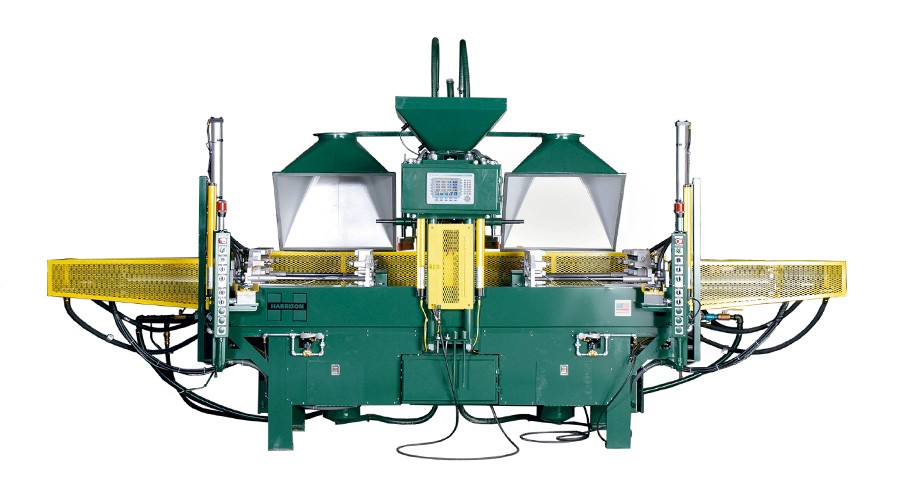
Effective Troubleshooting For Prototype Core Machines
Prototype core machines are used to test new tooling, designs, or processes before committing to full-scale production. These machines offer a way to get immediate feedback on core quality and performance, helping teams fine-tune their operations early in development. But like any piece of equipment, these machines can hit snags that slow down testing and delay decision-making.
When a prototype core machine isn’t functioning the way it should, it often leads to wasted material, misaligned parts, or inconsistencies in core density. These issues don’t just interrupt short-term goals. They can throw off entire timelines. Troubleshooting these machines quickly and effectively limits downtime and keeps projects on track. The sooner issues are identified, the easier they are to fix without compounding the problem.
Identifying Common Issues in Prototype Core Machines
Prototype core machines are built to be flexible, but that doesn’t make them immune to wear and malfunction. Problems often show up as uneven gas flow, inconsistent sand fill, cycle interruptions, or irregular curing patterns. Most of these problems are subtle in early stages but can escalate if ignored.
Here are some things to watch for:
– Unusual sounds or vibrations – These can point to a mechanical misalignment or loose parts.
– Cure-related defects – Sticky cores or partial curing often result from gas delivery inconsistencies.
– Poor venting – If cores keep showing soft spots, your vent location or size might need review.
– Sand build-up inside the tooling – This may cause blow pressure deviations or cycle failures.
– Irregular cycle times – If a machine takes longer than expected, it could be due to temperature swings or valve sticking.
These machines aren’t usually running full shifts, so issues can sometimes get overlooked. That’s part of the challenge. Machine downtime at this stage can cause testing delays, which ripple out into production. Identifying problems early helps reduce trial-and-error and saves headache later down the line.
Step-by-Step Troubleshooting Guide
Instead of guessing every time something goes wrong, it helps to have a structured way of working through the problem. Different types of core machines have their quirks, but many of the starting points are similar.
1. Check the Air and Gas Systems
– Look for drops in pressure
– Inspect valves and regulators, especially in Cold Box systems
– Clear out filters and confirm line pressure matches the core print requirements
2. Inspect Sand Delivery
– Verify the sand hopper is clean and flow paths are clear on High Production or Dual Station machines
– Make sure sand is dry, consistent in mix, and properly cured
3. Review Tool Fit and Alignment
– On machines like the Dual Station or QuickCore, misaligned tool halves can throw off pattern registration
– Tighten guide pins, clean lifting cylinders, and check proximity sensors
4. Test Control Settings
– Make sure purge times, gassing duration, and blow parameters match the mold requirements
– For 3-IN-1 or Manual systems, confirm operator-set values haven’t drifted over time
5. Look at Moving Components
– Check stroke sensors and ram movement on vertically parted units
– Worn slides or dirty rails can lead to uneven core formation
6. Notice the Environment
– Temperature swings can affect cycle times or resin cure rates
– If machines are near doors or windows, humidity could also skew results
Example: A shop running a Cold Box QuickCore system had repeated sticking in one half of their cores. After checking blow pressure and cure time with no change, the problem ended up being an air leak caused by worn O-rings not sealing the tooling pocket. A quick replacement prevented further delays and resolved the sticking issue.
Maintaining a checklist and logging small observations helps reduce downtime. A small warning sign today can become a bigger fix tomorrow, especially when testing new tooling or sand blends. Keeping your troubleshooting tight means fewer surprises down the road.
Maintenance Tips for Preventing Future Issues
Troubleshooting is helpful, but the real win is knowing how to avoid problems before they slow you down. Prototype and manual core machines aren’t typically running full time, so they often go days or weeks without use. That downtime gives sanding and resin mixtures time to settle inside lines, harden in fittings, or cause unseen wear in valves. Small oversights in upkeep can turn into larger delays the next time the equipment is called into action.
Keeping a consistent maintenance routine doesn’t have to be complicated. Focus on a few key areas:
– Make sure wear parts like seals, valves, and gaskets are inspected regularly. Even if the machine isn’t running every day, aging components still weaken over time.
– Schedule calibration checks for timers, control panels, and proximity sensors, especially for machines like 3-IN-1 systems or vertically parted setups like the QuickCore. Over time, these electronics can drift out of range and disrupt cycles.
– Clean tooling and vents right after use. Leaving sand, resin, or binder residue inside the equipment can affect vent timing or pattern alignment.
– Store tooling and machine attachments in dry, temperature-stable areas. Humidity swings can introduce rust or warping, especially in metal components tied to prototype machines.
Establishing a cleaning and storage protocol can cut down on the unpredictable issues that come from machines sitting idle. For crews working with several machine types, documenting known quirks or fixes in a shared playbook can help the team keep consistency without relying on memory. Consistent checks beat emergency fixes every time.
Training Your Team for Efficient Troubleshooting
A lot of core machine problems start with the small details. An operator misses a pressure reading, or a vent doesn’t get cleared properly. That’s why building shared knowledge across your crew is such a useful tool.
Hands-on training works better than handing out manuals. When operators, techs, and even production leads can walk through the machine setup and troubleshooting process together, you start seeing fewer repeat problems. This is especially true with complex setups like Dual Station or High Production Cold Box machines. The more familiar your team is with how the machine sounds, moves, and cycles when running correctly, the quicker someone will spot when something’s off.
Here are a few simple ways to build that skill on the floor:
– Run refresh sessions once a quarter for each crew group, especially after tool changes or machine upgrades.
– Keep a running log of previous machine issues, showing what was fixed and how long it took.
– Encourage newer operators to shadow experienced ones during setup and troubleshooting.
– Create short job aides and hang them near machines. Visuals help bridge knowledge gaps.
– Bring the maintenance team into root cause reviews, even when the issue seems minor.
When the crew feels confident in troubleshooting, issues get addressed quicker. Even better, mistakes get caught earlier, before they start affecting sand mix cycles, curing pressure, or part alignment.
Staying Ready with Reliable Core Machines
Core development projects rely on tight feedback loops and fast turnarounds. Whether you’re testing a new sand binder mix or casting a small run before moving to production scale, having reliable prototype core machines ready every time is a huge advantage. That kind of reliability doesn’t happen by accident. It comes from solid troubleshooting processes and routine maintenance.
Knowing how to listen when something sounds off, check the small stuff like outdated settings, and recognize when a part’s worn out goes a long way in reducing delays. And when the team is dialed in, even unexpected issues are easier to manage. Staying on top of your machines keeps your testing smarter, faster, and less frustrating overall.
Machines like Cold Box systems, QuickCore setups, and Manual or 3-IN-1 machines each come with unique maintenance needs. But they all benefit from the same mindset: don’t wait until it breaks. Catching small problems early, using preventative upkeep, and building crew knowledge can keep those machines running smoothly and your timelines on track.
Keep your operation running smoothly by reducing unexpected slowdowns and improving mold consistency. Explore how core machines can help support better workflow and production quality. EMI is here to support your foundry with dependable solutions that fit your goals.